Customer acquisition costs have reached a breaking point for most companies. With 73% of businesses struggling with rising customer acquisition cost in 2024, the pressure to optimize acquisition efforts has never been greater. Customer acquisition important because it directly impacts revenue growth, sustains ongoing business operations, and helps offset losses from customer attrition by attracting new customers. The traditional spray-and-pray approach to customer acquisition is no longer sustainable in today’s competitive digital landscape. Paid advertising can quickly generate traffic, leads, and sales for businesses, making it a valuable tool in the acquisition toolkit. Acquiring customers efficiently is now a top priority for businesses seeking long-term success.
Modern companies need a systematic, data-driven approach to improve customer acquisition online. A customer acquisition plan is essential—a comprehensive, evolving strategy that incorporates SEO, data analytics, and ongoing optimization to attract and retain customers effectively. This comprehensive guide provides a framework that addresses every aspect of the customer acquisition process, from fixing foundational issues to implementing advanced personalization strategies. The best customer acquisition strategies include data-driven, multi-channel approaches such as content marketing, SEO, paid advertising, social media marketing, and email marketing. Marketing strategies play a crucial role in customer acquisition by defining target audiences, personalizing outreach, and integrating organic and paid tactics. Paid advertising, through platforms like Google Ads and social media ads, offers immediate visibility and highly targeted reach. Monitoring the cost and effectiveness of paid advertising is essential to ensure a positive return on investment. Customer acquisition methods are essential for online business growth and cost efficiency, so optimizing these methods is key to long-term success. Continuous analysis of user behavior and data at each touchpoint helps identify areas for improvement in customer acquisition strategies. Whether you’re a growing startup or an established enterprise, these proven strategies will help you acquire customers more efficiently while reducing acquisition costs.
The key to successful customer acquisition strategy lies in understanding that improvement requires a holistic approach. You can’t simply optimize one channel or tactic in isolation. Instead, you need to view customer acquisition as an interconnected system where each component reinforces the others to drive sustainable customer acquisition. To improve your customer acquisition, leverage data analysis and technology to build ongoing customer relationships and enhance overall effectiveness.
Understanding Current Customer Acquisition Challenges
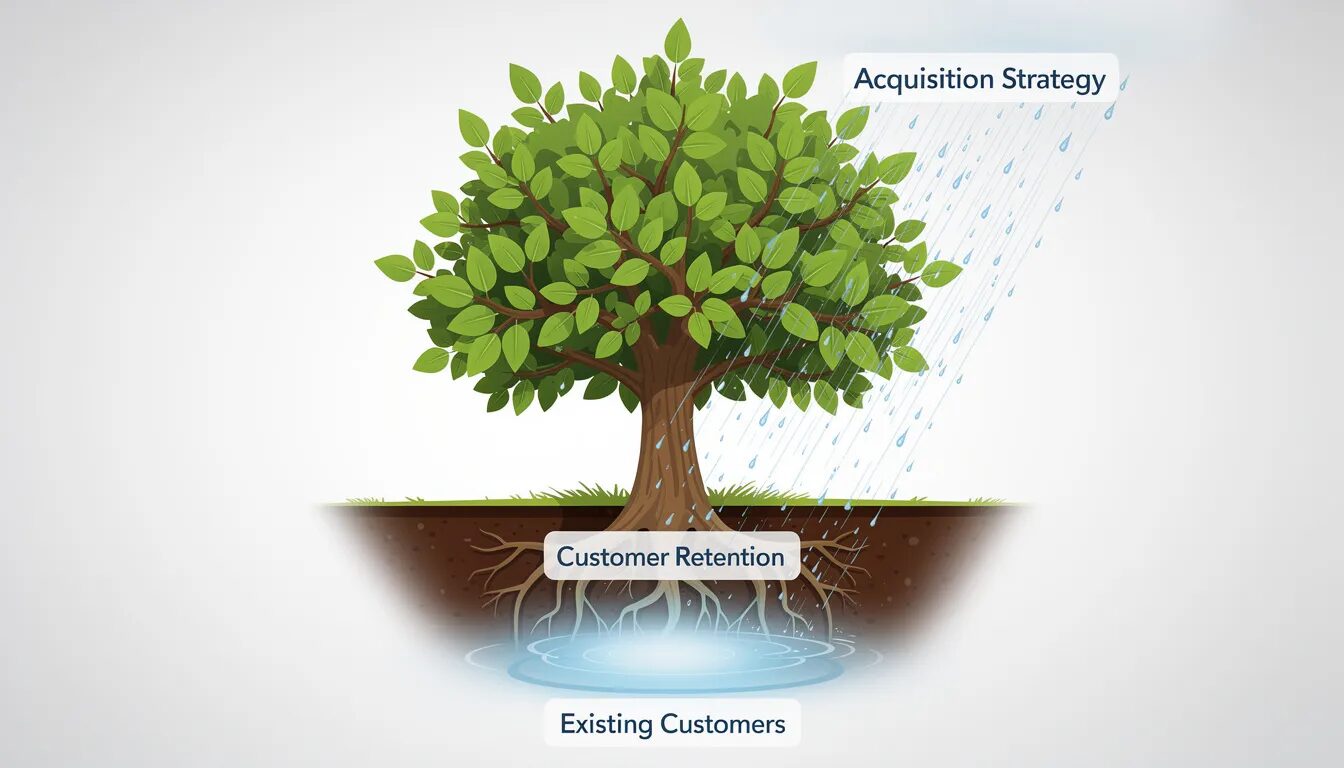
The first step in any effective customer acquisition strategy is conducting an honest assessment of your current performance. Most companies face similar challenges that create bottlenecks in their customer acquisition funnel, preventing them from efficiently converting potential customers into paying customers. Market research plays a crucial role in identifying these bottlenecks and understanding your target audience, enabling you to tailor your approach for better results. A robust value proposition can increase your chances of customer retention and define your customer acquisition marketing strategy. A strong onboarding experience can improve conversion rates and increase long-term retention. A strong customer acquisition strategy is directly related to customer retention, as acquiring the right customers lays the foundation for long-term engagement and loyalty. However, it’s cheaper to retain existing customers than to acquire new ones, making retention efforts a critical complement to acquisition strategies. Integrating a customer retention strategy with your acquisition efforts ensures you address customer needs, reduce attrition, and build long-term relationships. Without a consistent influx of new customers, even the best retention strategies may only result in stagnation.
Rising customer acquisition cost cac represents the most pressing challenge facing modern businesses. The increasing competition for customer attention across all digital channels has driven up costs while simultaneously making it harder to capture prospects’ interest. This creates a vicious cycle where companies must spend more to acquire customers while those same customers become increasingly difficult to convert. Customer acquisition cost (CAC) measures the total amount spent to gain a new customer, making it a critical metric for evaluating the efficiency of acquisition strategies. Google Ads are favored by 98% of marketers for their extensive reach and variety of ad formats. The goal is to keep CAC as low as possible while still driving quality customer growth. Nielsen’s 2021 global advertising study reveals that 88% of people trust recommendations from their network above all other advertising, highlighting the importance of leveraging trust-based strategies like referrals.
Common bottlenecks include poor targeting that wastes resources on prospects unlikely to convert, weak value propositions that fail to differentiate from competitors, and disconnected customer journeys that create friction between touchpoints. Many companies discover that their target audience isn’t clearly defined, leading to marketing efforts that reach too broad an audience or miss their ideal prospects entirely. A well-defined target audience helps in crafting a compelling value proposition, which is essential for overcoming these bottlenecks. Understanding customer needs is also vital for tailoring acquisition strategies that resonate with your audience and address their specific pain points. Customers acquired through referrals tend to convert at higher rates and have a longer customer lifetime value, making referral programs a powerful tool for addressing these challenges. For example, Dropbox created a referral program that rewards customers with extra storage for inviting new users, leading to significant growth in user acquisition. Similarly, Wealthsimple’s referral program offered free mobile devices to customers who transferred assets into their accounts, resulting in a notable increase in new client acquisitions.
The customer acquisition process often breaks down due to misalignment between marketing and sales teams. When marketing generates leads that sales considers low-quality, or when sales provides feedback that marketing doesn’t act upon, the entire customer acquisition performance suffers. This disconnect particularly impacts B2B companies where longer sales cycles require sustained engagement across multiple touchpoints. Referral programs leverage the power of word-of-mouth marketing by encouraging existing customers to refer new customers in exchange for rewards, which can help bridge gaps between marketing and sales efforts. Getting people to talk about your brand through referrals can significantly boost your acquisition rates, as word-of-mouth recommendations often carry more trust and credibility.
To assess your current acquisition metrics effectively, start by analyzing customer acquisition cost trends across all channels over the past 12 months. Look for patterns that indicate which acquisition channels are becoming more or less efficient. Use customer insights gained from analyzing detailed data about your target audience to optimize your acquisition strategies and improve overall customer engagement. Examine conversion rates at each stage of your customer acquisition funnel to identify where prospects are dropping off most frequently.
Audit your existing online touchpoints systematically, looking for friction points that prevent prospective customers from progressing through your customer journey. Pay particular attention to page load speeds, mobile responsiveness, form completion rates, and the clarity of your value proposition across different pages. Many companies lose potential customers simply because their website doesn’t clearly communicate what they offer or how to take the next step.
The customer acquisition improvement framework begins with establishing baseline metrics for customer acquisition cost, lifetime value, conversion rates by channel, and time to conversion. Without these foundational measurements, you cannot accurately assess whether your optimization efforts are producing sustainable customer acquisition results. Ideally, CLV should be significantly higher than CAC to ensure long-term profitability, as this balance is critical for maintaining a healthy acquisition strategy. Customer lifetime value (CLV) represents the total value a customer brings to your business over their lifetime, making it a key metric for evaluating the success of your acquisition and retention efforts.
Optimizing Your Digital Foundation for Better Acquisition
Your website serves as the hub for most customer acquisition activities, making technical performance optimization critical for acquisition success. A comprehensive website performance audit should focus on achieving page load speeds under three seconds, as even small delays significantly impact conversion rates and customer experience. A professional, mobile-friendly website design ensures a clean interface, fast loading speeds, and clear calls-to-action, all of which are essential for effective customer acquisition. Creating and optimizing a Google Business Profile is essential for local businesses to provide accurate contact information and engage with customers, further enhancing acquisition efforts.
Mobile-first design principles have become essential given that 54% of traffic comes from mobile devices. This isn’t simply about responsive design; it requires rethinking your entire customer acquisition process from a mobile perspective. Mobile users have different behavior patterns and attention spans, requiring streamlined navigation and simplified conversion paths that work effectively on smaller screens.
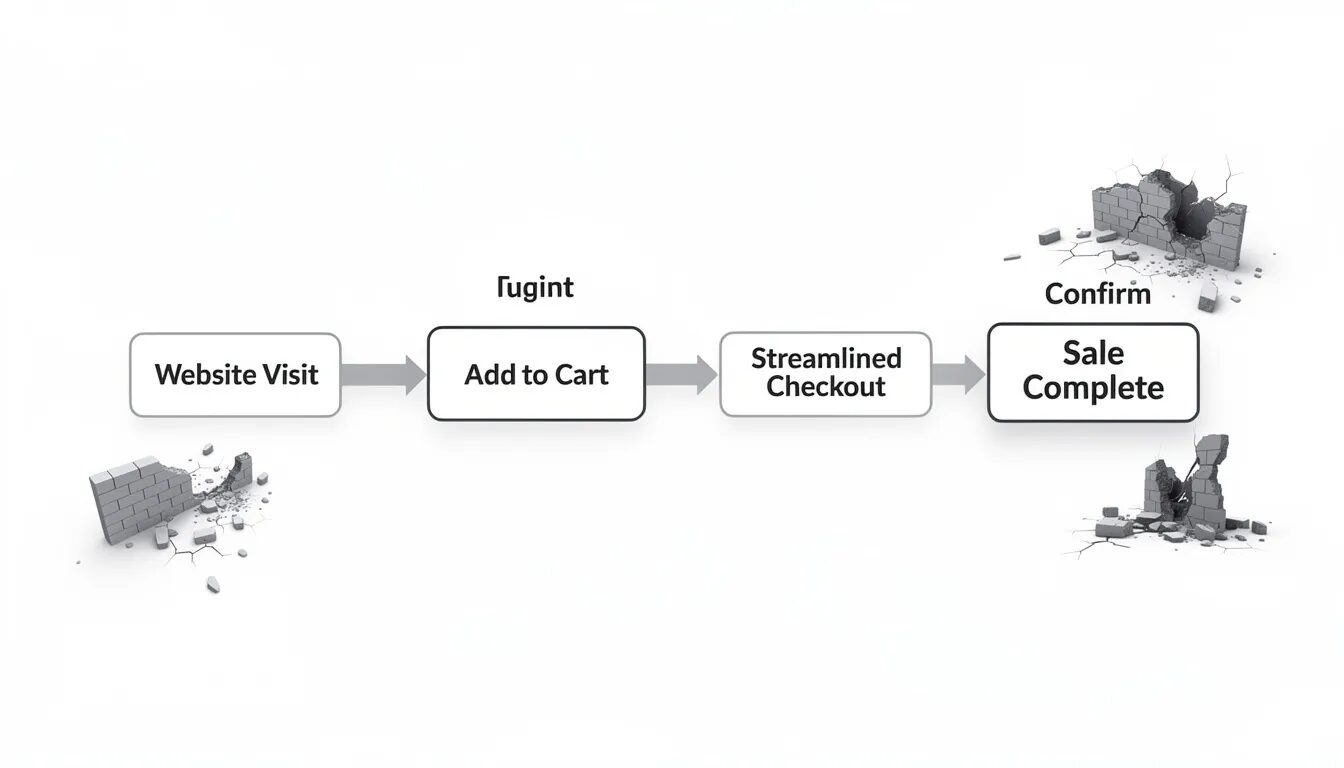
Conversion path optimization involves systematically reducing friction points that prevent visitors from becoming customers. Start by reducing form fields to only essential information and streamlining checkout processes to minimize abandonment. Every additional field or step in your process represents a potential exit point for prospects.
Website accessibility improvements can expand your addressable audience by 15-20% while simultaneously improving search engine optimization seo performance. Implementing proper heading structures, alt text for images, and keyboard navigation not only makes your site accessible to users with disabilities but also helps search engines better understand your content.
Technical SEO Improvements
Search engine optimization remains one of the most important methods for customer acquisition, with nearly 70% of online experiences beginning with a search query. Search Engine Optimization (SEO) enhances the visibility of your online presence, ensuring that when potential customers search for services or products similar to yours, your business lands at the top of their search results. Developing blog posts and other content that weaves the right keywords and keyword phrases into copy is known as search engine optimization (SEO). Content marketing not only introduces potential customers to your business but also solves problems and answers questions, establishing your brand as an authority in your industry. Technical SEO improvements form the foundation of successful organic customer acquisition efforts.
Begin by fixing crawl errors and implementing structured data markup to improve search visibility. Search engines need to efficiently crawl and index your content to include it in search results. Broken links, redirect chains, and missing meta descriptions create obstacles that prevent potential customers from finding your business through organic search.
Core Web Vitals optimization directly impacts both user experience and search rankings. Google’s algorithm considers page loading performance, interactivity, and visual stability when determining rankings. Poor Core Web Vitals scores not only hurt your search engine optimization efforts but also create negative first impressions for potential customers who visit your site.
Topic clusters around high-intent keywords help establish authority while addressing different stages of the customer journey. Rather than creating isolated pages, develop comprehensive content hubs that thoroughly cover topics relevant to your target audience. This approach improves search engine optimization while providing visitors with the information they need to make informed purchasing decisions.
Strategic internal linking and quality backlink acquisition build authority that supports all your customer acquisition efforts. Internal linking helps search engines understand your site structure while guiding visitors to relevant content. External backlinks from reputable sources signal to search engines that your content provides value, improving your visibility for relevant searches.
Focus on actionable technical improvements rather than basic SEO concepts. Implement schema markup for local businesses, optimize images for faster loading, and create XML sitemaps that help search engines index your content efficiently. These technical foundations support all your other marketing efforts by ensuring potential customers can find and access your content easily.
Advanced Targeting and Personalization Strategies
Behavioral segmentation using first-party data enables the creation of distinct customer personas that guide more effective acquisition strategies. Rather than treating all prospects the same, develop 5-7 customer segments based on demographics, behavior patterns, and engagement history. This segmentation allows you to craft messaging and offers that resonate with specific audience segments. Email marketing remains one of the most effective customer acquisition channels with an impressive ROI. In fact, 78% of marketers report an ROI of $21 or more for every dollar spent on email marketing. When you provide valuable insights or solutions through your content, you’re not just shouting into the void—you’re building trust. Email marketing can be enhanced through automation tools that segment audiences and trigger engaging drip sequences. Email marketing is a cost-effective strategy with a high return on investment, making it a staple in any customer acquisition strategy.
Dynamic content personalization adapts your website experience based on visitor characteristics and behavior in real-time. When a visitor from a specific industry or geographic location arrives on your site, personalized content can immediately address their unique needs and challenges. Personalization in email marketing helps businesses acquire high-value customers faster by sending relevant content and offers from the first interaction. This level of personalization significantly improves engagement and conversion rates compared to generic messaging. Personalization is also essential to engage customers throughout their journey, ensuring each touchpoint is relevant and meaningful. Influencer marketing is a powerful strategy for reaching new audiences; partnering with influencers can expose a brand to new market segments and build credibility, as influencers often have established trust with their audiences, making their endorsements highly impactful.
Lookalike audiences on Facebook and Google expand your reach to prospects similar to your best existing customers. By analyzing the characteristics and behaviors of your highest-value customers, these platforms identify new prospects who share similar traits and are likely to be interested in your offerings. This approach improves targeting efficiency while reducing customer acquisition cost.

Account-based marketing campaigns work particularly well for B2B companies targeting specific organizations. Instead of casting a wide net, ABM focuses resources on accounts most likely to convert and deliver significant customer lifetime value. This precision targeting often results in higher conversion rates and larger deal sizes.
Data-Driven Customer Profiling
Integrating customer data from multiple touchpoints creates comprehensive profiles that inform better acquisition decisions. Combine data from your website, email marketing campaigns, social media interactions, and customer relationship management system to understand how prospects engage with your brand across channels.
Predictive analytics help score leads and prioritize prospects with the highest conversion potential. By analyzing patterns in historical customer data, machine learning algorithms can identify which prospects are most likely to become paying customers. This scoring enables your sales team to focus their efforts on the most promising opportunities.
Real-time personalization engines adapt content within milliseconds based on visitor behavior and characteristics. These systems analyze hundreds of signals to deliver personalized experiences that feel relevant rather than generic. The speed of personalization is crucial because you often have only seconds to capture a visitor’s attention.
Dynamic buyer journey maps evolve based on customer interactions, providing insights into how different segments progress through your customer acquisition funnel. Understanding these patterns helps you optimize touchpoints and messaging for each stage of the customer journey.
Successful profiling implementations often combine demographic data with behavioral signals and engagement history. For example, a software company might create profiles based on company size, industry, current technology stack, and engagement with specific content topics. This multi-dimensional approach enables highly targeted marketing efforts that improve conversion rates.
Multi-Channel Acquisition Optimization
Consistent messaging across all digital channels ensures that prospects receive coherent communication regardless of where they encounter your brand. However, consistency doesn’t mean identical content; each platform requires format adaptation while maintaining core message alignment.
Cross-channel attribution modeling helps you understand the true impact of each touchpoint in the customer journey. Most customers interact with multiple channels before making a purchase decision, making it essential to understand how different channels work together to drive conversions rather than viewing them in isolation.
Optimizing your channel mix based on customer lifetime value rather than just customer acquisition cost provides better long-term results. Some channels may have higher upfront costs but attract customers with greater lifetime value, making them more profitable in the long run. This perspective helps you allocate resources more effectively across acquisition channels.
Sequential messaging campaigns guide prospects through your acquisition funnel by delivering the right message at the right time based on their engagement history. For example, someone who downloads a whitepaper might receive educational content initially, followed by case studies, and finally product demos as they progress through the customer journey.
Paid Advertising Efficiency Improvements
Automated bidding strategies using machine learning optimize for conversions rather than just clicks, improving the efficiency of your paid advertising spend. These algorithms adjust bids in real-time based on the likelihood that specific clicks will result in conversions, reducing customer acquisition cost while maintaining volume.
Create highly specific ad groups with 5-10 keywords rather than broad keyword sets to improve relevance and Quality Scores. Tight keyword groupings allow for more targeted ad copy and landing pages that directly address search intent, resulting in higher click-through rates and conversion rates.
Negative keyword lists eliminate irrelevant traffic and improve Quality Scores by preventing your ads from showing for searches unlikely to result in conversions. Regular negative keyword list maintenance ensures your advertising budget focuses on prospects genuinely interested in your offerings.
Video ad formats consistently show 20-30% higher engagement rates than static ads across most platforms. Video content allows you to demonstrate products, share customer testimonials, and explain complex concepts more effectively than static images or text alone.
Budget allocation strategies should reflect the full customer acquisition funnel rather than just top-of-funnel metrics. Allocate more budget to campaigns and keywords that drive qualified leads and actual customers, even if their cost-per-click is higher than broader targeting options.
Content Marketing That Drives Acquisition
Bottom-funnel content targeting high-intent keywords with commercial search intent directly supports customer acquisition efforts by reaching prospects ready to make purchasing decisions. Focus on creating content that addresses specific problems your product solves and includes clear calls-to-action.
Interactive content like calculators, quizzes, and assessments captures leads while providing immediate value to prospects. These tools encourage engagement and data sharing in exchange for personalized results or recommendations, creating qualified leads for your sales team.
Content upgrades and gated resources convert blog readers into leads by offering additional value in exchange for contact information. When someone reads an article about a specific topic, offer a detailed checklist, template, or guide related to that topic to capture their information.
Video content generates 1200% more shares than text and images combined, amplifying your content marketing reach and supporting broader customer acquisition efforts. Video also allows you to build stronger connections with prospects through visual storytelling and personal communication.
Focus your content marketing efforts on topics and formats that directly support acquisition goals rather than just awareness. While brand awareness content has value, acquisition-focused content should clearly connect to your products or services and include obvious next steps for interested prospects.
Conversion Rate Optimization and Testing
Systematic A/B testing programs that test 2-3 elements weekly across key conversion pages generate continuous improvements in customer acquisition performance. Testing headlines, calls-to-action, form layouts, and value propositions reveals which elements most effectively convert visitors into customers.
Landing page optimization for single conversion goals minimizes distractions and improves focus on your primary objective. Each landing page should have one clear purpose and remove any elements that might divert attention from the main conversion goal.
Testing different value propositions, headlines, and calls-to-action can improve conversion rates by 15-25% through systematic optimization. Small improvements compound over time, significantly impacting overall customer acquisition success.
Heat mapping and user session recordings identify friction points in the conversion process that aren’t obvious from analytics data alone. Watching how real users interact with your site reveals usability issues and optimization opportunities you might otherwise miss.
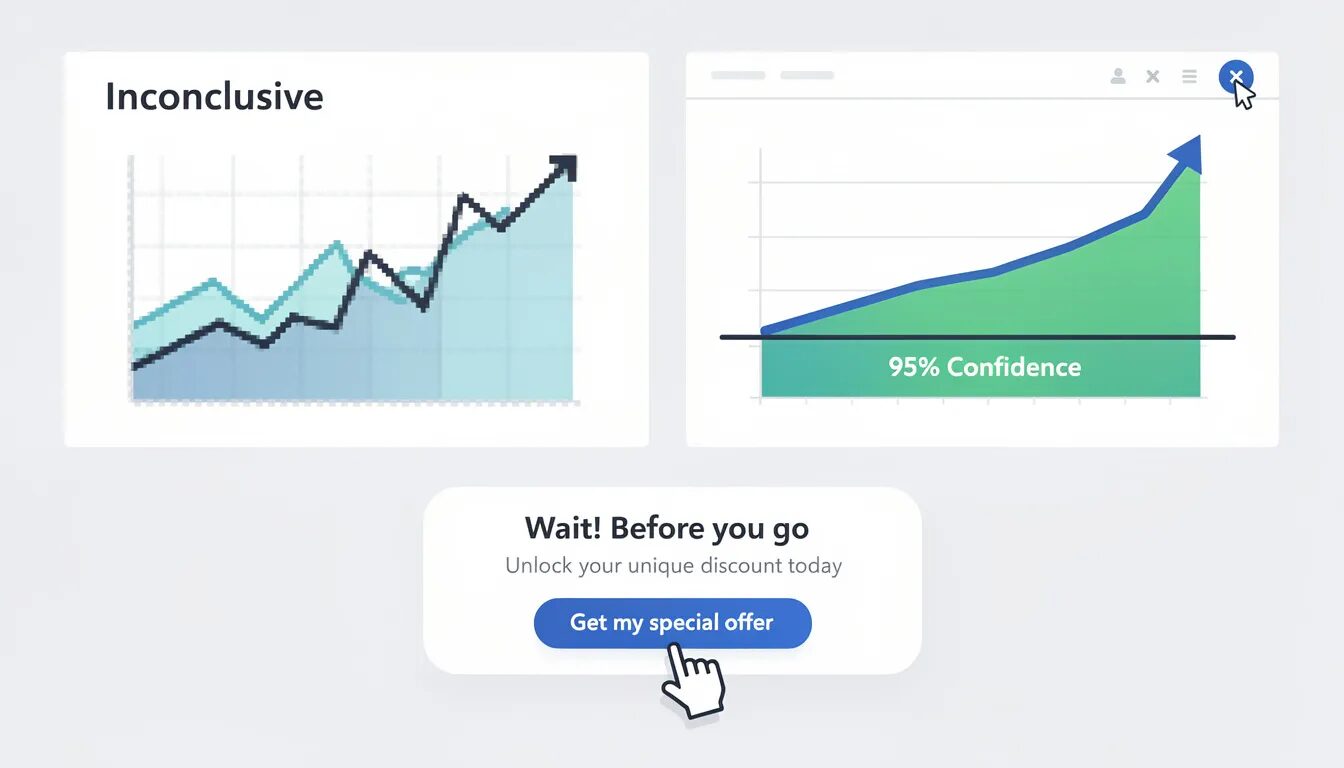
Statistical significance requirements ensure that your testing results are reliable and actionable. Implement proper testing frameworks that account for sample size, test duration, and confidence levels to avoid making decisions based on inconclusive data.
Advanced Conversion Tactics
Exit-intent popups with compelling offers capture abandoning visitors who would otherwise leave without converting. These popups should offer genuine value such as discounts, free resources, or exclusive content rather than simply repeating your standard sales message.
Social proof elements like customer testimonials, reviews, and trust badges build confidence and credibility with potential customers. Place these elements strategically near conversion points to address common objections and hesitations.
Creating urgency and scarcity with limited-time offers and inventory indicators motivates action from prospects who might otherwise delay their decision. However, ensure that urgency tactics are genuine rather than manipulative to maintain trust and credibility.
Chatbots and live chat assist prospects during decision-making moments by answering questions and addressing concerns in real-time. This immediate support can be particularly effective for complex products or services where customers need additional information before purchasing.
Strategic placement and messaging for each conversion tactic requires testing and optimization based on your specific audience and offerings. What works for one business may not work for another, making experimentation essential for finding the most effective approaches.
Marketing Automation and Lead Nurturing
Automated email sequences nurture leads based on behavior and engagement level, maintaining contact with prospects who aren’t ready to purchase immediately. These sequences should provide value while gradually building trust and demonstrating expertise. Sending a series of email messages, called a drip campaign, provides insight about a topic before inviting recipients to connect with a sales rep. This approach ensures that prospects are engaged and informed throughout their journey.
Lead scoring systems trigger sales outreach at optimal moments when prospects show strong buying signals. By tracking engagement across multiple touchpoints, lead scoring identifies when prospects transition from awareness to consideration to decision-making stages.
Retargeting campaigns re-engage website visitors with relevant messaging based on pages viewed and actions taken. Someone who viewed pricing pages should receive different retargeting messages than someone who only visited blog posts.
Progressive profiling gradually collects customer information without overwhelming prospects with long forms. Start with basic information and collect additional details through subsequent interactions, building more complete customer profiles over time.
Automation workflows should trigger based on specific behaviors and engagement patterns rather than just time-based sequences. Behavioral triggers ensure that prospects receive relevant messaging based on their demonstrated interests and needs.
Email Marketing Optimization
Email list segmentation based on customer behavior, demographics, and purchase history enables more targeted and relevant communication. Different customer segments require different messaging approaches and offer types to maximize engagement and conversion.
Send time optimization using data analytics rather than general best practice recommendations improves open and click-through rates. Analyze your specific audience’s engagement patterns to determine optimal sending times for different segments.
Mobile-optimized email templates accommodate the fact that 68% of emails are opened on mobile devices. Email design must work effectively on small screens with easily tappable buttons and readable text without zooming.
Abandoned cart email sequences recover 15-25% of lost sales on average by reminding customers about items they were interested in purchasing. These sequences should be timely, personalized, and include incentives when appropriate.
Focus on specific email optimization techniques like subject line testing, personalization beyond just names, and clear calls-to-action rather than generic best practices. What matters is what works for your specific audience and business model.
Measuring and Optimizing Acquisition Performance
Customer acquisition cost tracking by channel and customer segment identifies the most efficient sources for new customers. This analysis helps you allocate budget to the channels and tactics that deliver the best return on investment. Acquisition rate is the percentage of leads that become customers, helping gauge the effectiveness of campaigns. Monitoring these metrics ensures that your strategies are not only cost-effective but also impactful in driving growth.
Monitoring the customer lifetime value to customer acquisition cost ratio ensures sustainable customer acquisition economics. Maintain a minimum 3:1 CLV to CAC ratio for profitability, though optimal ratios vary by industry and business model.
Cohort analysis reveals how customer acquisition quality changes over time and across different channels. This analysis helps identify whether acquisition improvements are sustainable or temporary fluctuations.
Attribution modeling provides understanding of multi-touch customer journeys, showing how different touchpoints contribute to conversions. This insight guides optimization efforts and budget allocation across channels.
KPI dashboards should highlight key performance trends and anomalies that require attention, enabling proactive optimization rather than reactive problem-solving.
Advanced Analytics and Reporting
Custom Google Analytics 4 goals and events track micro-conversions throughout the customer acquisition funnel, providing visibility into prospect behavior before final conversion. These metrics help identify optimization opportunities at each stage.
Customer data platforms unify information from all acquisition channels, creating comprehensive views of prospect and customer interactions. This unified data enables better personalization and more accurate attribution analysis.
Predictive analytics forecast customer acquisition performance and identify optimization opportunities before problems become serious. These insights support proactive strategy adjustments rather than reactive fixes.
Automated reporting dashboards highlight key performance trends and flag significant changes that require investigation. Automation ensures consistent monitoring without requiring manual data compilation and analysis.
Tool recommendations should include specific setup instructions and integration guides to ensure successful implementation. The most sophisticated analytics tools provide no value if they aren’t properly configured and used.
Scaling Successful Acquisition Strategies
Identifying acquisition channels and tactics that show consistent positive ROI guides scaling investment decisions. Developing a powerful customer acquisition strategy is essential to stand out in a competitive digital landscape and maximize customer lifetime value. Focus resources on proven strategies while testing new approaches with smaller budgets to minimize risk.
Standard operating procedures for successful campaigns ensure consistent execution as you scale customer acquisition efforts. Document what works so that new team members can replicate successful strategies. Partnerships involve collaborating with other companies that have a complementary audience to cross-promote products or services. These partnerships can expand your reach and introduce your offerings to new customer segments, enhancing the overall effectiveness of your acquisition strategies.
Cross-functional teams combining marketing, sales, and product development create integrated customer acquisition efforts that address the complete customer experience. Alignment between these teams improves lead quality and conversion rates.
Feedback loops between customer acquisition campaigns and product development improve product-market fit over time. Customer acquisition insights can inform product improvements that make acquisition more effective and efficient.
Scaling decisions should be based on frameworks that consider capacity, market opportunity, and competitive dynamics rather than just current performance metrics. Sustainable scaling requires systematic planning and resource allocation.
Future-Proofing Your Acquisition Strategy
Preparing for the cookieless future requires building first-party data collection capabilities that don’t rely on third-party tracking. Focus on creating value exchanges that encourage customers to willingly share their information directly with your business.
Investing in emerging channels like connected TV, podcast advertising, and social commerce positions your business ahead of competitors still focused solely on traditional digital channels. Early adoption of new channels often provides cost advantages and less competition.

AI and machine learning tools for predictive targeting and dynamic optimization will become standard rather than competitive advantages. Start implementing these technologies now to build expertise and data that improve over time.
Privacy regulations continue evolving, making consent management and data governance frameworks essential for sustainable customer acquisition. Build systems that comply with current regulations while being flexible enough to adapt to future changes.
Future readiness requires balancing current performance with investments in emerging technologies and channels. The companies that successfully improve customer acquisition online will be those that maintain a portfolio approach, optimizing current strategies while preparing for future opportunities. A strong customer acquisition strategy invests resources in the right places, balancing short-term wins with long-term growth, ensuring both immediate and sustained success. Webinars and online events showcase expertise and connect with potential customers directly, offering an interactive way to build trust and demonstrate value.
Successful customer acquisition improvement requires systematic execution of multiple strategies working together rather than hoping for silver bullet solutions. Start with foundational improvements, implement measurement systems, and then layer on advanced tactics as your capabilities mature. The key to sustainable customer acquisition lies in creating systems that continuously improve performance while adapting to changing market conditions and customer expectations.
Crafting a Compelling Value Proposition
A compelling value proposition is the cornerstone of any effective customer acquisition strategy. It succinctly communicates what sets your business apart, making it clear to potential customers why they should choose you over competitors. In today’s crowded digital marketplace, a strong value proposition addresses the specific pain points of your target audience and offers clear, tangible solutions. This not only attracts new customers but also lays the groundwork for customer retention by setting accurate expectations and delivering on promises.
To craft a value proposition that drives business growth, focus on clarity, relevance, and differentiation. Your message should be easy to understand, directly address the needs of your potential customers, and highlight the unique benefits your business provides. Test and refine your value proposition regularly, using customer feedback and acquisition data to measure its impact on conversion rates and retention. When your value proposition resonates, it strengthens all your marketing and sales initiatives, resulting in more efficient customer acquisition and long-term loyalty.
Social Media and Customer Acquisition
Social media marketing has become an essential pillar of customer acquisition, offering businesses the ability to reach and engage potential customers where they spend much of their time. Platforms like Facebook, Instagram, TikTok, and LinkedIn provide powerful tools for both organic engagement and targeted paid ads, allowing brands to tailor their marketing efforts to specific demographics and interests. By leveraging these channels, companies can amplify their reach, build brand awareness, and drive qualified traffic to their websites.
Integrating social media with other acquisition channels—such as search engine optimization (SEO) and content marketing—creates a cohesive strategy that maximizes visibility and engagement. Social media campaigns can spark conversations, encourage sharing, and generate leads, while paid ads offer precise targeting to attract new customers. Consistent, value-driven content and interactive engagement help nurture relationships with potential customers, moving them through the acquisition funnel and supporting sustainable business growth.
Word of Mouth Marketing
Word of mouth marketing remains one of the most effective customer acquisition strategies, harnessing the power of satisfied customers to attract new ones. When existing customers share positive experiences, they become trusted advocates, influencing the purchasing decisions of their peers. Referral programs formalize this process by rewarding customers for bringing in new users, which not only reduces acquisition costs but also strengthens customer loyalty.
Encouraging word of mouth marketing creates a virtuous cycle: as more customers share their experiences, your brand reaches a wider target market with greater credibility. This approach is especially powerful because recommendations from friends and family carry more weight than traditional advertising. By implementing referral programs and consistently delivering exceptional service, businesses can turn their customer base into a powerful engine for growth, driving both acquisition and retention.
Awareness, Consideration, and Conversion
Successful customer acquisition strategies are built around the three key stages of the customer acquisition process: awareness, consideration, and conversion. In the awareness stage, marketing efforts focus on introducing your brand to potential customers through channels like search engine optimization (SEO), content marketing, and social media marketing. The goal is to capture attention and spark initial interest.
During the consideration stage, prospects evaluate your offerings, compare alternatives, and seek information that addresses their specific needs. Here, targeted content marketing, paid advertising, and personalized social media engagement help nurture leads and build trust. Finally, the conversion stage is where potential customers become paying customers, often driven by clear calls-to-action, optimized landing pages, and persuasive messaging.
By tailoring your acquisition strategies to each stage of the customer journey, you can guide prospects seamlessly from discovery to decision, maximizing the effectiveness of your marketing efforts and increasing your conversion rates.
Customer Lifetime Value
Customer lifetime value (CLV) is a critical metric for evaluating the effectiveness of your customer acquisition strategies. CLV measures the total revenue a customer is expected to generate throughout their relationship with your business. To achieve sustainable growth, it’s essential that your customer lifetime value significantly exceeds your customer acquisition cost (CAC).
Focusing on customer retention and delivering exceptional experiences increases CLV, turning one-time buyers into loyal, repeat customers. This not only improves profitability but also allows you to invest more confidently in marketing efforts that attract high-value customers. A solid customer acquisition strategy balances the need for immediate results with the long-term benefits of nurturing customer relationships, ensuring that your business remains competitive and poised for expansion. By understanding and optimizing CLV, you can allocate resources more effectively, prioritize acquisition channels that deliver lasting value, and build a foundation for sustainable business success.