Introduction to Digital Marketing
Digital marketing is the umbrella term for all online strategies and channels businesses use to connect with their target audience. At its core, digital marketing leverages the power of the internet to promote products, services, and brands through various platforms and tactics. Two of the most fundamental pillars in this landscape are search engine optimization (SEO) and paid ads, including Google Ads.
Search engine optimization focuses on enhancing your website’s content and technical structure to achieve higher rankings in organic search engine results pages (SERPs). This approach drives organic traffic by making your site more visible and relevant to users searching for information, products, or services. Paid ads, on the other hand, involve investing in ad placements on search engines, social media platforms, and other digital spaces to quickly reach potential customers. Google Ads is a leading platform for this, allowing businesses to appear at the top of search engine results for targeted keywords.
Both SEO and paid ads play distinct yet complementary roles in a successful digital marketing strategy. While SEO builds long-term authority and trust, paid ads offer immediate visibility and traffic. Understanding how to leverage both channels is essential for maximizing your online presence and achieving your marketing goals in today’s competitive environment.
The 2025 Reality: Neither SEO nor Paid Ads Work Best in Isolation
If you’re asking whether search engine optimization or paid advertising works best in 2025, you’re asking the wrong question. The data shows that 87% of marketers report SEO effectiveness while 90% find Google Ads effective this year—but the most successful businesses aren’t choosing between them. In 2025, the most effective strategy combines both SEO and paid ads, with each serving unique purposes.
Instead, leading companies use both strategically: paid campaigns deliver immediate results while seo strategy builds sustainable growth. The either/or debate has evolved because user intent spans the entire customer journey, from initial awareness through final conversion. SEO can support users in the awareness stage of their buyer journey, while PPC is effective for users who are closer to making a purchase decision. SEO builds trust over time, as users generally trust organic results more than paid ads, which can lead to higher conversion rates for SEO traffic.

In 2025, search engine results pages display both organic search results and paid ads simultaneously on Google Search. Users interact with both, often clicking organic listings for research and paid ads for immediate purchases. Companies that dominate just one channel leave money on the table—literally. PPC results stop as soon as the budget runs out, while SEO can continue to bring traffic for months or years without ongoing costs. Businesses typically see a 200% return on investment from PPC, but this return is contingent on continuous spending, as traffic disappears when campaigns stop.
This comprehensive analysis examines real performance data, cost structures, and strategic frameworks to help you determine the optimal approach for your business goals and budget in 2025. Leveraging both SEO and paid ads together is a core principle of search engine marketing, which aims to maximize visibility and click-through rates by integrating both channels.
Understanding SEO and Paid Advertising in 2025
Search engine optimization remains the practice of improving a website’s visibility in unpaid search engine results through content optimization, technical improvements, and authority building. Unlike seo, paid advertising operates on a pay-per-click model—commonly known as ppc advertising—where businesses bid for immediate placement in search results and can target high-intent traffic. Paid search refers to online advertising where businesses pay for prominent placement at the top of search engine results, offering immediacy and precise targeting capabilities. SEO typically requires a fixed or effort-based cost strategy, where you invest in optimizing your website and creating content, and once it ranks, clicks are free. PPC costs are variable and click-based, meaning you pay for every click or impression, and costs can escalate, especially in competitive markets.
Both channels have transformed significantly due to artificial intelligence and algorithm updates. Google’s search engine algorithms now process user intent with unprecedented sophistication, while automated bidding systems optimize paid campaigns in real-time. Analyzing seo data from various platforms helps marketers understand user intent and optimize organic search visibility.
Insights from paid ad campaigns can also inform SEO strategies by identifying high-performing keywords and effective messaging.
Key Changes Affecting SEO in 2025
Google’s E-E-A-T standards—Experience, Expertise, Authoritativeness, and Trust—now dominate organic ranking factors. Content creation must demonstrate first-hand experience and subject matter expertise, making generic content ineffective. On page optimization—such as optimizing titles, meta descriptions, and internal linking—is essential for aligning content with search engine algorithms and user intent.
Answer Engine Optimization has emerged as a critical component, as AI chatbots like ChatGPT and Google’s Search Generative Experience pull information from web pages. Your seo content must now answer questions clearly and concisely to capture these featured positions.
Competition has intensified dramatically. Quality websites compete for the same keywords, making technical seo more complex and time-intensive. What worked in 2020 requires significantly more effort and budget today. Organic seo remains a key strategy for generating sustainable, long-term returns and high conversion rates.
Modern technical optimization includes Core Web Vitals, mobile-first indexing, structured data markup, and page experience signals. These technical requirements create barriers for businesses without dedicated web development resources.
How Paid Advertising Has Evolved in 2025
Cost-per-click rates have risen dramatically across most industries. SaaS companies now pay an average of $47 per click for competitive keywords, while legal services average $8.94. This cost inflation makes campaign optimization critical for profitability.
AI-powered bidding has become standard through Smart Bidding strategies like Target CPA and Target ROAS. Google Ads uses machine learning to adjust bids based on device, location, time, and user behavior signals automatically.
Audience targeting capabilities have expanded beyond demographics to include predictive audiences and in-market segments. However, iOS privacy changes and cookie deprecation have made tracking and attribution more challenging.
Platform integration now spans Google Ads, Microsoft Advertising, Facebook, LinkedIn, and TikTok. Most businesses require multi-platform strategies to reach their target audience effectively across different touchpoints. Integrating SEO and PPC strategies can create a powerful feedback loop that enhances the performance of both channels.
Digital Marketing Channels Supporting SEO and Paid Ads
A robust digital marketing strategy doesn’t rely solely on SEO or paid ads—it integrates multiple channels to amplify results. Content marketing is a cornerstone for SEO, providing valuable, relevant information that search engines can index, which in turn boosts search rankings and attracts organic traffic. High-quality blog posts, guides, and videos not only improve your site’s authority but also engage your target audience at every stage of their journey.
Social media marketing is another powerful channel that supports both SEO and paid ads. By sharing content and engaging with users on platforms like Facebook, Instagram, and LinkedIn, businesses can increase brand visibility, drive referral traffic, and foster community engagement. Social signals and increased brand mentions can indirectly influence search rankings, while social media ads can complement search campaigns by reaching users across different touchpoints.
For paid ads, channels such as email marketing and influencer marketing can further refine your targeting and boost campaign effectiveness. Email campaigns nurture leads generated from both SEO and paid ads, while influencer partnerships can expand your reach to new audiences and drive high-quality traffic to your site.
By integrating these digital marketing channels, businesses can create a cohesive marketing strategy that maximizes the strengths of both SEO and paid ads, ensuring they reach and engage their target audience more effectively across the digital landscape.
Cost Analysis: SEO vs Paid Ads Investment in 2025
Understanding the true cost structure helps evaluate long-term viability. SEO requires substantial upfront investment in content creation, technical optimization, and link building, while paid ads demand ongoing ad spend for continued visibility. SEO takes longer to show results, typically requiring 3-6 months to see competitive ranking results, depending on competition and keyword difficulty, while PPC can deliver immediate visibility. Paid ads are particularly effective for new product launches, seasonal sales, or urgent promotions.
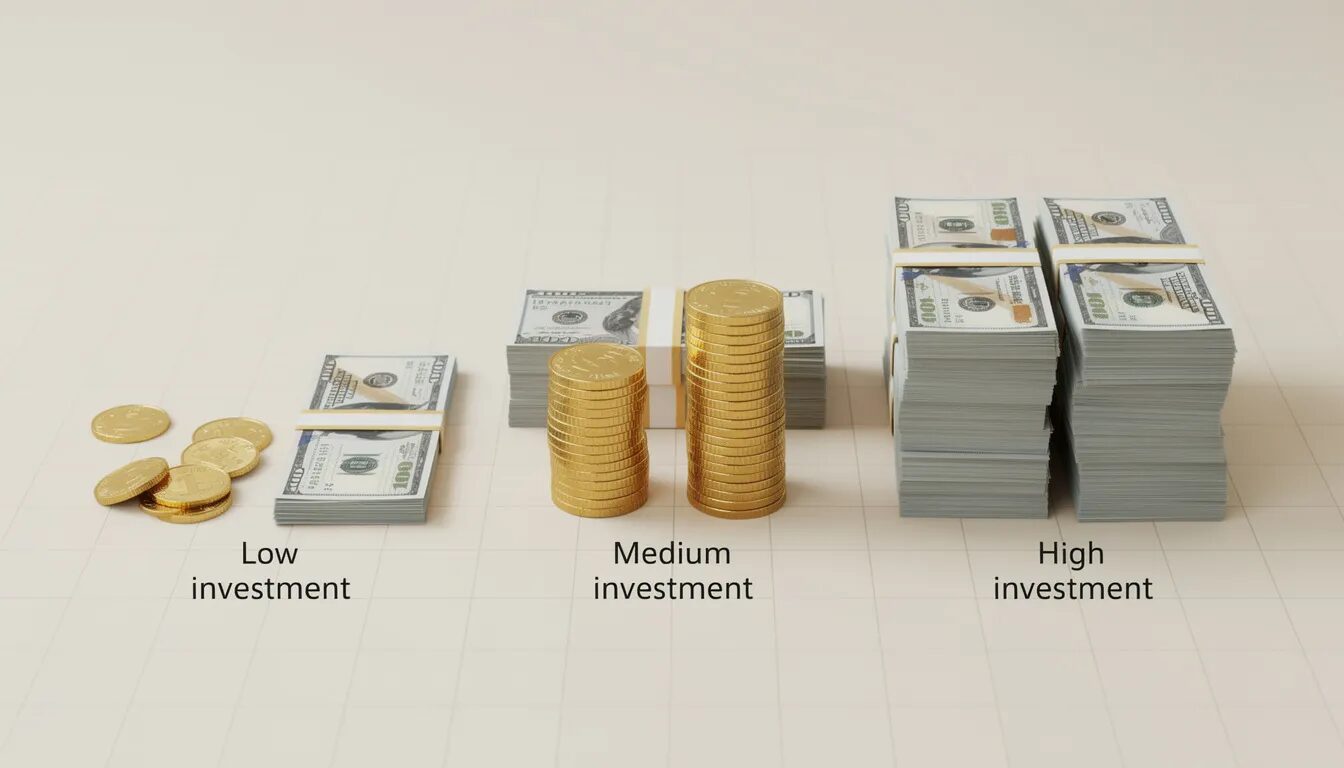
Quality SEO typically requires $5,000-$15,000 monthly for competitive niches, including content creation, technical work, and link building. However, this investment compounds over time as content ranks and generates organic traffic.
Paid advertising costs vary dramatically by industry and competition level. Daily budgets can range from $50 for local businesses to $10,000+ for national e-commerce companies, with click costs from $0.01 to over $10.
SEO Investment Breakdown
Quality content creation costs approximately $625 per 2,500-word article when working with experienced writers who understand user intent and search rankings. Technical seo work requires specialized expertise, often costing $150-$250 per hour.
Professional SEO tools like Ahrefs start at $179 monthly, while comprehensive tool stacks often exceed $500 monthly. Link building averages $500 per high-quality backlink from relevant websites with strong domain authority.
ongoing costs include content updates, technical maintenance, and monitoring search engine results for ranking changes. Most businesses budget 20-30% of initial SEO investment for ongoing optimization and maintenance.
Paid Advertising Cost Structure
Google AdWords operates on auction-based pricing where businesses bid against competitors for keyword placement. Legal services average $8.94 per click, while competitive business software keywords can exceed $50 per click.
Campaign management requires dedicated time for keyword research, ad copy testing, landing page optimization, and bid management. Many businesses allocate $2,000-$5,000 monthly just for campaign management and optimization.
Hidden costs include wasted spend on irrelevant clicks and poor-converting keywords. Industry studies show businesses waste $0.85 per dollar on clicks that don’t convert, making careful targeting and negative keyword management essential.
ROI Comparison: Which Delivers Better Returns in 2025
The data shows a clear winner for long-term returns. SEO delivers an average ROI of 748%, returning $7.48 for every dollar invested, while paid ads average 200% ROI, returning $2 for every dollar spent. SEO can provide a higher ROI over time, often reporting returns of 500% to 1,300% after a year or more, while PPC typically offers a lower ROI of around 200%.
However, these numbers require context. SEO returns compound over time, often taking 6-12 months to reach full potential. This is why SEO is best utilized as a long-term strategy for building authority and enduring success. Paid advertising returns are immediate but linear—results stop when ad spend stops.
Organic search conversion rates average 14.6%, significantly higher than the 1.7% conversion rate of outbound marketing methods. users trust organic results more than paid placements, leading to higher engagement and conversion rates.
SEO Return on Investment
SEO traffic generates compounding returns because well-optimized content continues attracting visitors months or years after publication. A single blog post ranking on page one can generate 2,000+ monthly visits for three years or more. Additionally, SEO can lower the cost per lead over time as it builds authority and trust with users.
Real estate companies report the highest seo roi at 1,389%, followed by financial services at 1,031%. These industries benefit from high customer lifetime values and long sales cycles that favor organic search traffic.
Local seo delivers exceptional returns for service-based businesses. Plumbers, electricians, and HVAC companies often generate $50,000+ in revenue from local search rankings that cost $5,000-$10,000 to achieve. For example, a local bakery in Brooklyn increased online orders by 67% after implementing local SEO services and later layered in Google Ads during holiday peaks.
The long-term value accumulation occurs because organic rankings don’t require ongoing per-click costs. Once achieved, top rankings generate traffic and leads at essentially zero marginal cost.
Paid Advertising ROI Metrics
Paid campaigns deliver immediate but linear returns requiring continuous investment. Most businesses see results within 48 hours of campaign launch, making PPC ideal for testing markets and generating quick revenue.
However, 40-60% of ad budgets are wasted due to poor analytics, broad targeting, and inadequate conversion tracking. Without careful management, ppc campaigns quickly become unprofitable.
Predictable returns make paid advertising excellent for cash flow management. Businesses can forecast lead generation based on ad spend, helping with financial planning and growth projections. For example, Mixpanel generated 164% more qualified leads while decreasing their cost-per-lead by 67% after restructuring their marketing approach using data-driven optimization.
The key limitation is scalability—increasing results requires proportionally increasing ad spend, creating a ceiling on profitability unless conversion rates improve significantly.
Speed vs Sustainability: Timeline Expectations for 2025
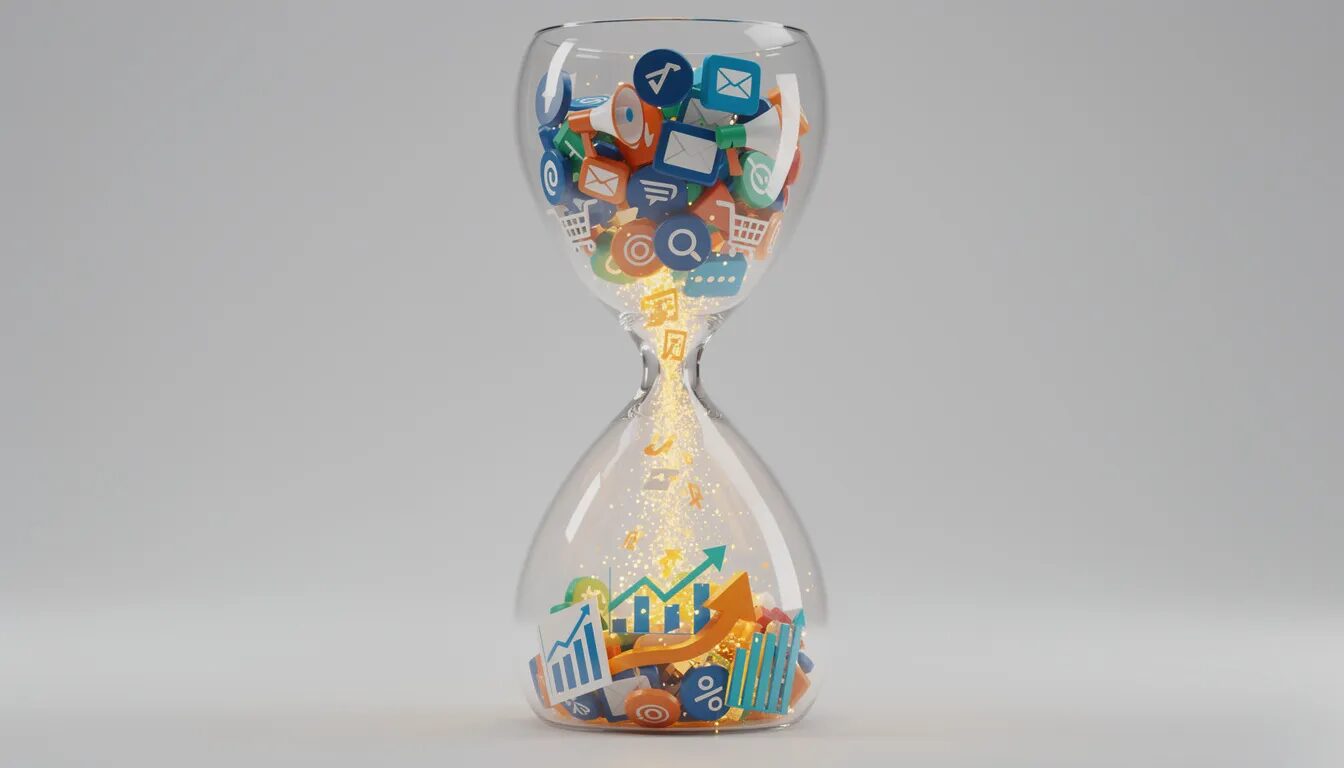
The fundamental difference lies in timing. Paid ads deliver immediate visibility and traffic within hours of campaign launch, while seo works over months to build sustainable, long-term growth.
This timing difference makes each channel suitable for different business needs and marketing strategy objectives. Understanding these timelines helps allocate resources effectively.
Immediate Results: When Paid Ads Excel
Product launches require immediate market visibility that only paid advertising can provide. New businesses can gather data quickly about customer preferences, pricing sensitivity, and market demand through PPC campaigns.
Time-sensitive promotions, seasonal sales, and competitive responses need instant visibility. Black Friday campaigns, back-to-school promotions, and responding to competitor moves all require paid advertising’s immediate deployment.
Testing new markets becomes cost-effective with paid ads because businesses can validate demand before investing in long-term seo efforts. This approach minimizes risk when expanding geographically or launching new products.
Emergency traffic needs—such as responding to negative publicity or replacing lost organic rankings—require paid advertising’s instant activation capability.
Long-term Growth: SEO’s Sustainable Advantage
Evergreen content generates traffic for years without additional investment. Well-optimized pages continue ranking and attracting visitors long after publication, creating compound growth effects.
Building brand authority through consistent, helpful content establishes trust and expertise that competitors struggle to replicate quickly. This authority translates into higher conversion rates and customer loyalty. The most successful brands leverage both SEO and PPC to create a comprehensive digital footprint.
Reduced customer acquisition costs occur as organic traffic scales without proportional cost increases. Businesses often see cost-per-lead decrease by 50-70% as seo traffic volume grows.
Example: A software company’s comprehensive guide to industry best practices generated 15,000 monthly organic visits for three years, resulting in $2.3 million in attributed revenue from a $8,000 content investment.
Trust and User Behavior in 2025
User behavior strongly favors organic search results over paid placements. Research shows 97% of users ignore paid ads, preferring organic listings for credibility and trustworthiness.
Organic results receive 27.6% of clicks compared to 2-3% for paid placements in the same position. This preference stems from users’ perception that organic rankings indicate genuine relevance and quality.
The customer journey often begins with organic search for research and education, then progresses to paid ads for specific products or immediate purchases. Understanding this progression helps optimize both channels effectively.
Trust signals include domain authority, content quality, user reviews, and social proof. Organic search results inherently carry these trust signals, while paid ads must work harder to establish credibility.
Understanding the Customer Journey
The customer journey is the path a potential customer takes from first discovering your brand to making a purchase and beyond. Understanding this journey is crucial for aligning your SEO and paid ads strategies to meet users’ needs at every stage.
In the early awareness phase, SEO plays a vital role by providing informative content that answers users’ initial questions and builds trust. Well-optimized blog posts, guides, and resources help capture organic traffic from users researching solutions or learning about your industry. As users move into the consideration stage, paid ads—especially Google Ads—can target those showing higher intent, such as searching for specific products or comparing options. These ads can guide users toward your offerings with compelling calls to action and tailored landing pages.
By the decision stage, a combination of remarketing ads and targeted SEO content can help convert interested prospects into customers. Post-purchase, digital marketing efforts like email follow-ups and retargeting ads can encourage repeat business and foster loyalty.
Aligning your SEO and paid ads with the customer journey ensures you deliver the right message at the right time, enhancing the overall customer experience and improving conversion rates. This integrated approach helps businesses maximize the impact of their digital marketing efforts throughout the entire customer lifecycle.
Industry-Specific Performance in 2025
Different industries see varying performance from each marketing channel based on customer behavior, purchase cycles, and competitive landscapes.
SaaS and B2B companies typically achieve higher ROI from long-term seo strategy because customers research extensively before making software purchases. The long sales cycle favors organic content that builds trust over time. For instance, SEO efforts for a project management SaaS resulted in a 340% increase in organic search results after 18 months of consistent work, with traffic converting 23% better than paid traffic.
Local service businesses often find paid campaigns effective for immediate lead generation, especially for emergency services like plumbing or electrical work. However, local seo provides sustainable visibility for non-urgent needs. For example, Cascadia Senior Living saw a 20% increase in qualified leads from their PPC campaign targeting high-intent keywords related to senior living.
E-commerce companies benefit from hybrid strategies that use paid ads to test products and markets while building organic visibility for sustainable growth.
Case Study Examples
A SaaS company increased organic traffic by 340% over 18 months through comprehensive content marketing and technical optimization. Their investment of $120,000 in seo efforts generated $1.8 million in attributed revenue.
A local HVAC company used Google Ads to increase leads by 20% in the first month while simultaneously investing in local seo. After six months, organic leads exceeded paid leads, reducing overall customer acquisition costs by 45%. Similarly, a managed IT services provider in South Florida used PPC to generate qualified leads immediately, resulting in a significant increase in paying clients.
An e-commerce retailer used PPC campaigns to test product demand and identify high-converting keywords. They then created SEO-optimized product pages and buying guides targeting those same keywords, creating a sustainable traffic source that reduced dependency on paid advertising.
Link Building Strategies for 2025
Link building remains a cornerstone of effective SEO in 2025, directly influencing your website’s authority and position in search engine results. To stay ahead, businesses must adopt modern, ethical link building strategies that focus on quality over quantity.
One proven approach is guest blogging on reputable industry websites, where you contribute valuable content in exchange for a backlink to your site. This not only drives referral traffic but also signals credibility to search engines. Building relationships with partners, suppliers, and satisfied customers can also yield high-quality backlinks—being listed on their websites or resource pages strengthens your site’s authority.
Creating linkable assets such as in-depth eBooks, whitepapers, or webinars encourages other sites to reference and link to your content. These resources should address common industry challenges or provide unique insights, making them valuable to your audience and attractive to other publishers.
Local SEO is another powerful avenue for link building. By targeting local directories, community websites, and local business associations, you can earn relevant citations and backlinks that boost your visibility in local search engine results. Consistent NAP (name, address, phone number) information across these listings further enhances your local SEO efforts.
Focusing on these strategies will help your website earn authoritative, relevant links that drive sustainable improvements in search engine rankings and organic traffic.
Local SEO and Geographic Targeting
Local SEO and geographic targeting are essential tactics for businesses aiming to attract customers in specific locations. Local SEO involves optimizing your website and online presence to appear prominently in local search results. This includes ensuring your business’s name, address, and phone number (NAP) are consistent across all online directories, creating locally relevant content, and earning high-quality local citations from trusted community websites.
Geographic targeting, a feature commonly used in paid ads, allows you to display your ads to users based on their physical location. With platforms like Google Ads, you can tailor your campaigns to reach potential customers in specific cities, regions, or even within a set radius around your business. This ensures your marketing budget is spent reaching the most relevant audience, increasing the likelihood of conversions.
By combining local SEO efforts with targeted paid ads, businesses can dominate local search results—appearing in both organic listings and paid placements. This dual approach increases visibility, drives more qualified traffic to your website or physical location, and ultimately boosts sales and revenue. In 2025, integrating local SEO and geographic targeting is a powerful way to stand out in competitive local markets and connect with customers right when they’re searching for your products or services.
The Hybrid Approach: Why Both Work Best Together
Businesses combining both seo and ppc capture up to 49% of total search engine results page clicks compared to 25% for single-channel approaches. This comprehensive visibility maximizes market share and brand awareness. Integrating SEO and PPC data into a single source of truth can help marketers make smarter decisions and allocate budgets more effectively. For example, Worthington Direct combined SEO and PPC strategies to expand their reach into new global markets, achieving stronger results than using either strategy alone.
PPC data provides valuable insights for seo strategy through keyword performance, user behavior, and conversion rates. High-converting paid keywords become prioritized targets for organic optimization efforts.
SEO provides remarketing opportunities for paid campaigns by creating audience segments based on content engagement and organic traffic behavior. This data improves paid campaign targeting and conversion rates.
Strategic integration creates competitive advantages that are difficult for competitors to replicate, especially those focused on only one channel.
Strategic Integration Tactics
Using PPC to test keywords before seo investment reduces risk and improves content strategy. Paid campaigns quickly identify which keywords drive valuable traffic and conversions.
Remarketing to organic visitors who didn’t convert extends the customer journey and improves overall conversion rates. These warm audiences typically convert at 2-3x higher rates than cold traffic.
Dominating search engine results pages with both organic listings and paid ads increases credibility and market presence. Users see the brand multiple times, improving recognition and trust.
Cross-channel data sharing enables optimization insights that improve performance in both channels. Understanding the complete customer journey helps refine messaging, targeting, and conversion strategies.
Budget Allocation Strategy for 2025
Budget allocation should reflect business stage, goals, and available resources. New businesses typically require more immediate results, while established companies can invest more heavily in long-term seo foundations.
The optimal allocation changes over time as organic rankings develop and provide sustainable traffic sources that reduce dependency on paid advertising.

New businesses should allocate 70% to PPC and 30% to building seo foundations during months 1-6. This approach generates immediate revenue while establishing organic visibility for sustainable growth. An eCommerce startup achieved a 400% return on ad spend (ROAS) within weeks of launching a paid ad campaign, allowing them to reinvest profits into SEO.
Growing companies benefit from 60% PPC and 40% SEO allocation during months 6-12 as organic content begins generating meaningful traffic and leads.
Established businesses often reach optimal performance with 50/50 allocation, using PPC for immediate opportunities and SEO for sustainable, long term growth.
2025 Trends Affecting Both Channels
Artificial intelligence is reshaping both organic search and paid advertising through automated optimization, content generation, and user intent understanding. Google Analytics and campaign management platforms now use machine learning to optimize performance automatically.
Voice search and mobile-first indexing continue affecting keyword research and content creation strategies. Users search differently on mobile devices, requiring adapted targeting and messaging approaches.
Privacy changes from iOS updates and cookie deprecation impact tracking and attribution for both channels. Businesses must adapt measurement strategies and focus more on first-party data collection.
Search visibility increasingly depends on user experience signals, technical optimization, and content quality across both organic and paid results.
Making the Right Choice for Your Business
The decision framework should consider immediate goals, available budget, competitive landscape, and long-term business strategy. Neither channel works optimally in isolation for most businesses.
Assessment criteria include timeline expectations, budget allocation, competition level, and internal capabilities for execution and management.
Most businesses benefit from starting with paid ads for immediate results while building SEO foundations for sustainable growth. The key is understanding how each channel fits your specific situation.
Quick Decision Framework
Immediate results needed: Start with paid ads to generate revenue and gather data quickly about customer preferences and market demand.
Limited budget with long-term focus: Prioritize SEO investment for sustainable growth, using minimal paid advertising for urgent needs only.
Adequate budget and time: Implement hybrid strategy with 60-70% allocation to immediate needs (PPC) and 30-40% to long term growth (SEO).
Testing new markets: Use paid ads for market validation before investing in SEO, then shift allocation toward organic once demand is proven.
The most successful businesses understand that effective digital marketing requires both immediate visibility through paid campaigns and sustainable growth through search engine optimization. Rather than choosing between SEO and paid ads, focus on optimizing the integration of both channels for your specific business goals, timeline, and budget constraints. For established brands, maintaining ads while investing in SEO can lower customer acquisition costs over time. PPC is often used for lead generation early on while SEO efforts are developed in the background. The optimal approach for businesses depends on specific needs and growth stage, where SEO is ideal for long-term growth and brand authority.
Start by assessing your immediate needs versus long-term objectives, then develop a strategic plan that leverages the unique strengths of each marketing channel while building toward sustainable, profitable growth.