Why Stronger Online Communities Matter in 2025

With over 5.6 billion internet users worldwide in 2025 and the average person spending roughly 2.5 hours daily on social media platforms, the opportunity to gather people around shared interests has never been larger. Yet most brands and creators struggle to convert that attention into something meaningful.
Here’s the reality: social media groups and algorithmic feeds are increasingly noisy. Research from 2023–2025 shows that communities with a clear purpose and active moderation outperform generic social feeds for trust, support, and long-term engagement. A 2024 Khoros study found that communities with consistent user generated content strategies see 28% higher engagement lifts compared to broadcast-only channels. People crave depth, not just reach. Building an online community has transitioned from a marketing afterthought to a strategic imperative, as organizations now recognize the need to build an online community intentionally to foster engagement, loyalty, and connection.
When we talk about building stronger online communities, “stronger” doesn’t mean more followers or sign-ups. It means depth of relationships, useful conversations, and shared identity. It’s the difference between a Facebook Group where 90% of members never post and a thriving online community where community members feel genuinely connected to each other and the mission. Establishing a solid foundation—defining your community’s purpose and values—is the essential first step to building an online community that is sustainable and successful.
The tangible outcomes of a strong online community include:
- Higher retention: Members stay longer when they have peer connections, with private platforms reporting 3x higher retention than open groups.
- Better product feedback: Active members co-create features, vote on roadmaps, and beta-test updates before public release.
- More referrals: Engaged community members become brand advocates, reducing customer acquisition costs by up to 23%.
- Richer first-party data: Discussion forums and member interactions generate insights that no survey can capture.
With the vast global internet user base, the potential for community growth is enormous. Building an online community strategically opens the door to organic expansion, brand advocacy, and long-term loyalty as more people connect and participate.
The rest of this article is a practical roadmap focused on community structure, culture, and measurement—not just tools. Think of it as the comprehensive guide to creating a successful online community that compounds value over time.
Core Benefits of Building a Strong Online Community
Before diving into tactics, it’s worth understanding exactly why community building deserves your attention in 2025. The benefits extend far beyond “nice engagement numbers.”
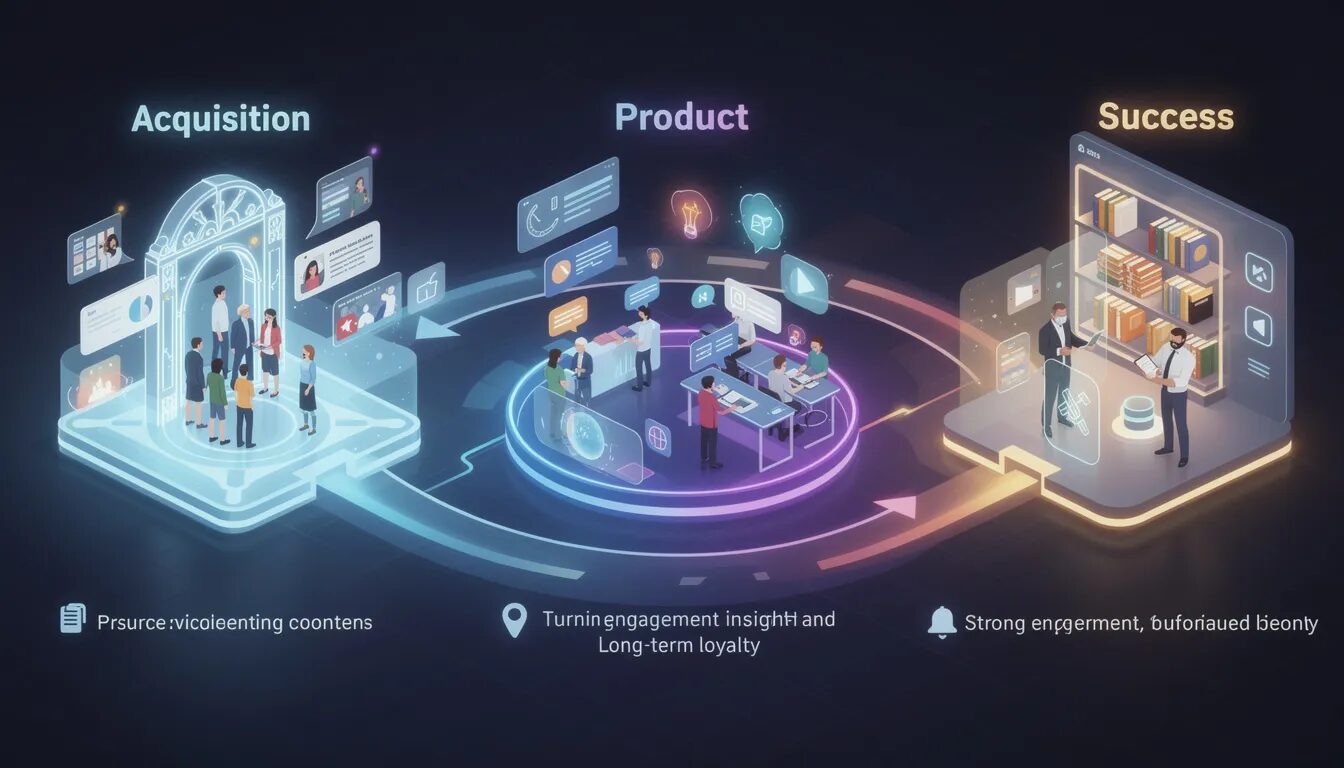
A key concept is the branded community—an online space tailored to support specific business objectives such as customer support, product feedback, or brand engagement. There are several types of branded communities: acquisition communities attract potential customers by offering valuable content related to the brand’s industry or expertise; product communities focus on a specific product or set of services, enabling members to discuss features and suggest improvements; and success communities serve as resource hubs for best practices, case studies, and expert advice to help customers maximize the value of their purchase. These online communities provide businesses with valuable feedback directly from their customers and allow them to gather insights on customer preferences and trends without additional costs.
Increased retention and loyalty is perhaps the most immediate payoff. Consider a 2024 cohort-based course that added a peer community space alongside its curriculum. Students who actively participated in the community completed the course at rates 35% higher than those who only consumed content. When community members have relationships with each other—not just with the brand—they stay subscribed longer and churn less frequently.
Improved visibility and SEO comes from searchable discussions, case studies, and Q&A threads. A B2B software company that launched its discussion forums in 2023 saw organic traffic to its community pages grow by 40% within 18 months. Those threads ranked for long-tail keywords their marketing team never would have targeted. This is community content working as a passive acquisition engine.
Reduced support costs happen naturally when experienced members help newcomers. One B2B tool company reported 25% ticket deflection after launching a customer community in 2023. Questions that once required a support agent response now get answered by active participants within hours—often with more nuanced, real-world context than official documentation provides.
Innovation and product insight emerge when you create spaces for members to share knowledge and co-create. Nike’s Run Club app community integrates challenges and member feedback loops that convert 25% of participants into brand advocates. Salesforce’s Trailblazer Community drives 1.5 million monthly engagements, with peer troubleshooting and expert-led webinars surfacing product ideas that directly influence the roadmap.
The benefits aren’t one-sided. Community members gain faster answers, career opportunities, emotional support, and access to a resource hub of collective knowledge. A healthy community creates value in both directions.
Types of Online Communities You Can Strengthen
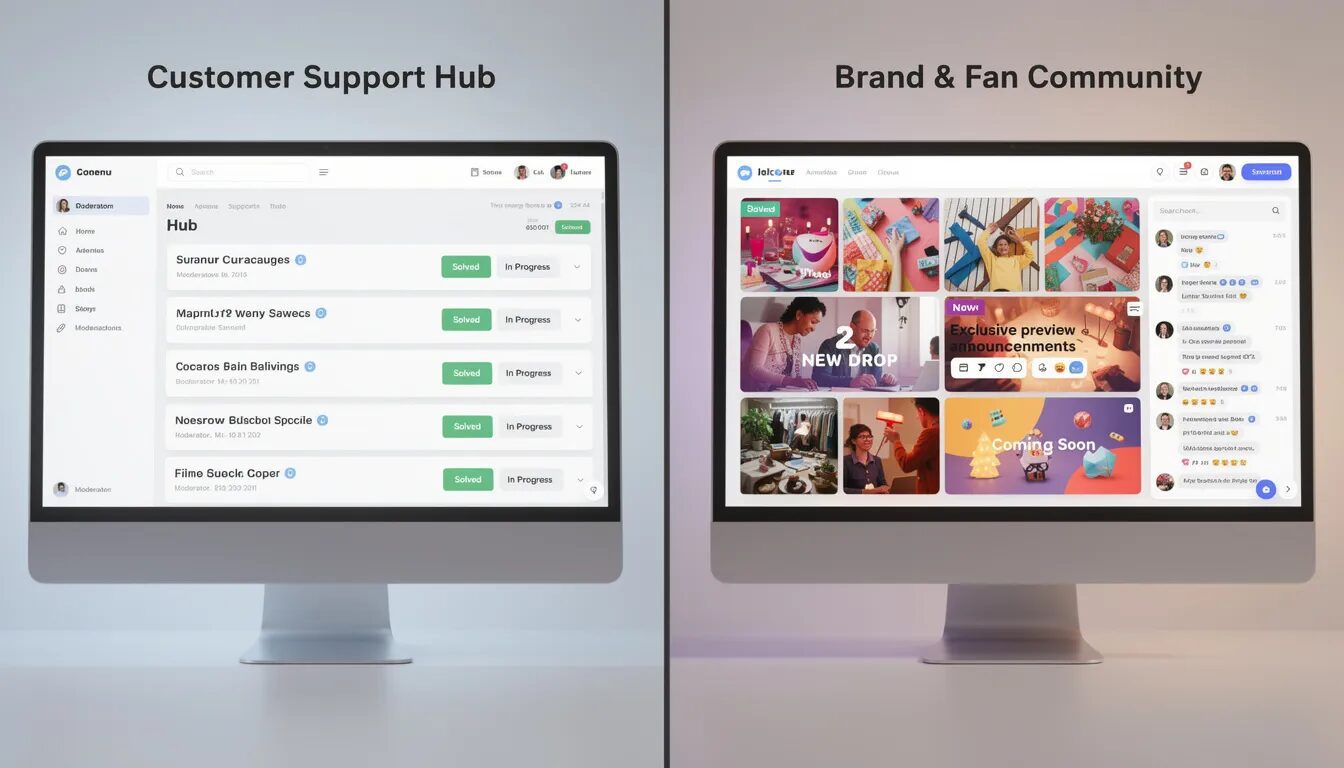
Different community models require tailored strategies for “strength.” A customer support community has different success signals than a professional networking group. Understanding your type helps you design accordingly. Branded communities are tailored to support specific business objectives, such as customer support, product feedback, or brand engagement, making it essential to identify the right model for your goals.
Brand or fan communities center around products, services, or personalities. A DTC skincare brand running a private Facebook Group since 2021 uses it for product feedback, UGC collection, and early access announcements. Their most engaged members get exclusive content previews, creating a vibrant community of advocates who share resources and reviews organically.
Customer support and success communities focus on helping users solve problems. Customer support communities help customers find assistance for specific products or services by allowing members to ask questions and share tips. Spotify Community and Adobe Forums are examples where millions of users help each other troubleshoot issues. What makes them strong? Clear categorization, searchable archives, and recognition systems for helpful contributors. These support communities reduce ticket volume while improving customer satisfaction.
Membership or subscription communities tie value to exclusive content and access. Patreon creators, paid Slack groups, and premium Discord servers fall here. Strength comes from delivering consistent value that justifies ongoing payment—whether that’s expert AMAs, curated job boards, or accountability groups.
Learning and cohort communities bring people together around education. A 2024 online bootcamp using Circle facilitated peer reviews, study groups, and accountability partnerships. Their completion rates doubled compared to self-paced alternatives because the community structure turned isolated learning into collaborative projects.
Event-driven communities keep participants connected between conference cycles. A professional association running annual events from 2023–2025 maintains a year-round space where attendees share knowledge, organize local meetups, and maintain relationships formed at the main event.
When building any of these communities, choosing the right community software is crucial. The right platform supports engagement, collaboration, and the specific needs of your branded community.
Clarify Purpose, Audience, and Values
Clarity here is the single strongest predictor of whether a community feels strong and coherent after 6–12 months. Without it, you’ll attract the wrong members and struggle to foster engagement. Clearly defining the community’s purpose is essential, as it guides objectives, content, and leadership development.
Start by defining a specific, problem-oriented purpose statement. Avoid vague missions like “connect marketers.” Instead, aim for something like: “Help early-stage SaaS founders under $1M ARR get unstuck on growth challenges in 2025.” The more specific your community’s purpose, the easier it becomes to create relevant content, attract the right target audience, and measure success.
Next, create 2–3 detailed member personas with concrete traits:
| Persona | Role | Tools They Use | Typical Week | 2024–2025 Challenges |
|---|---|---|---|---|
| Startup Sarah | Solo founder, pre-seed | Notion, Stripe, Webflow | 60+ hours, wearing all hats | Finding first 100 customers, building in public |
| Agency Alex | Small team lead | Slack, Asana, Figma | Client calls, hiring struggles | Scaling without burning out, pricing services |
| Corporate Chris | Innovation manager | Microsoft suite, Jira | Meetings, internal politics | Getting buy-in for new initiatives, staying current |
Now, list what new members should achieve after 3 months:
- Made 3–5 meaningful connections with peers facing similar challenges
- Got at least one specific problem solved through community advice
- Contributed value back (answered a question, shared a resource, attended an event)
- Understand the community’s culture and feel comfortable participating
- Completed at least one collaborative project or accountability goal
It’s important to ensure these outcomes are community aligned and reflect the community’s focus, so that members feel a sense of belonging and engagement.
Finally, articulate 4–5 community values in concrete language:
- Default to generosity: Share freely without expecting immediate return
- Assume good intent: Give others the benefit of the doubt in discussions
- No stealth selling: Self-promotion only in designated spaces
- Celebrate progress: Wins of any size deserve recognition
- Respect time: Be concise, stay on topic, search before asking
These values shape the community’s culture and help create a welcoming and inclusive atmosphere. They become the basis for your written community guidelines, onboarding messages, and moderator decisions. Establishing community values and guidelines helps prevent misunderstandings and creates a welcoming and inclusive atmosphere. A well-defined framework for moderation ensures consistent rule application and fosters a welcoming environment.
Defining Member Outcomes and Success Signals
Member success and community health are directly connected. Community’s health refers to the overall wellbeing and vitality of your online community, and user engagement is a key indicator of this health. If members aren’t getting value, they leave. If they leave, the community dies. Start by defining what measurable outcomes look like by June–December 2025.
Examples might include: “50 members find freelance clients through community connections,” “100 people complete the learning path and share their portfolio,” or “200 members attend at least one virtual event.” These outcomes should connect to your community’s purpose and the real-world impact you want to create.
Translate these outcomes into a small set of KPIs:
- Returning member rate after 30 and 90 days
- Percentage of members posting or commenting at least once per month
- Average replies per thread (indicates conversation quality)
- Number of member-led events or initiatives per quarter
- Net Promoter Score from quarterly surveys
Tracking engagement metrics is essential to determine your community’s health and growth. Regularly review KPIs such as active participation, new member growth, and content interaction. Implement a system that combines quantitative metrics with qualitative insights for a comprehensive understanding of your community’s progress. Gathering member feedback through surveys, interviews, or informal conversations offers invaluable context to these metrics. It’s also important to track qualitative metrics like sentiment and the depth of comment threads, not just vanity metrics.
These metrics go beyond vanity numbers. A community with 10,000 members where only 50 people post monthly isn’t stronger than one with 500 active members having meaningful discussions.
Choosing the Right Platform and Structure
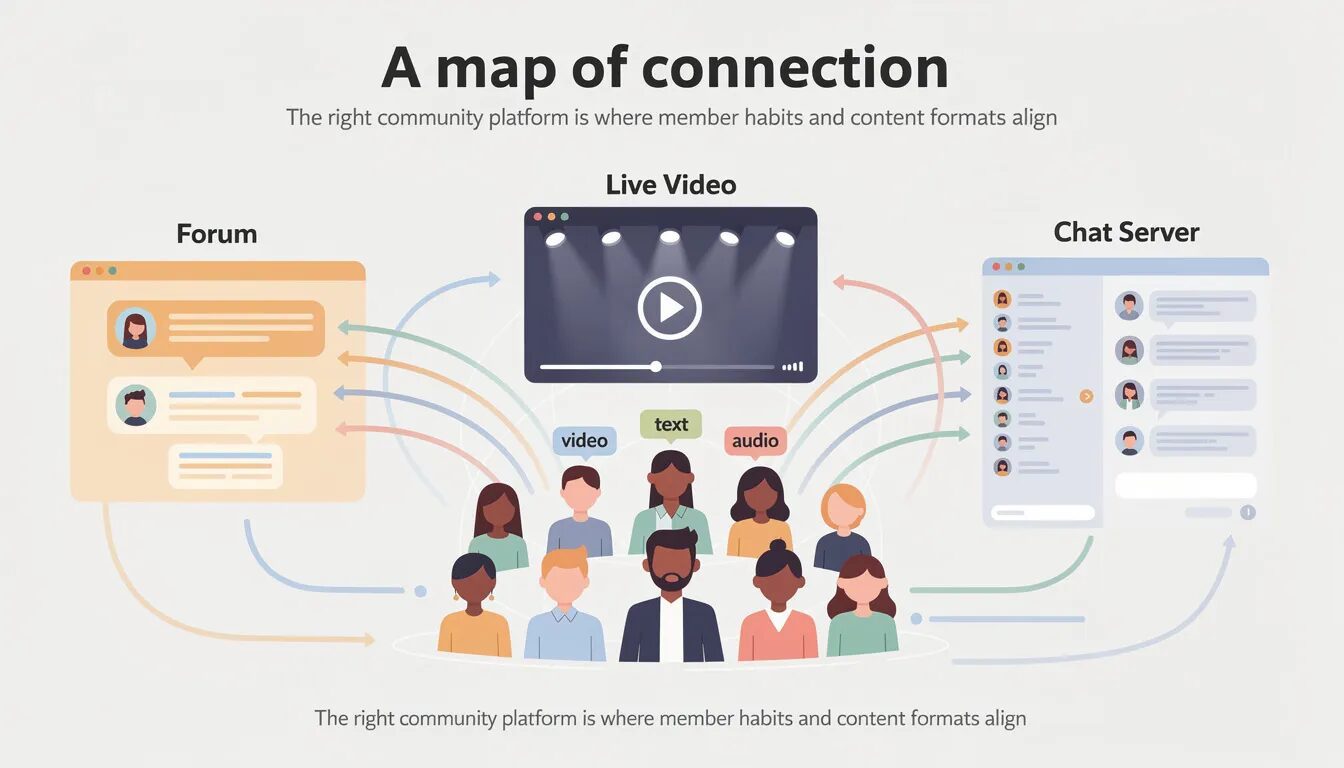
Stronger communities often come from better fit between platform, format, and member behavior—not from picking the “best” tool on the market. Your right platform depends on where your target audience already spends time and how they prefer to communicate. Think of your platform as a digital space where users interact, share content, and build relationships around shared interests.
Facebook and LinkedIn Groups offer broad reach and low friction since your audience likely already has accounts. However, algorithmic deprioritization has reduced organic reach by 40% since 2018 updates. You don’t own the data, and customization is limited. Best for: awareness-stage communities, B2B professional networking, or audiences resistant to adopting new tools.
Slack and Discord excel at real-time conversation and work well for communities needing quick responses. Discord especially suits younger, tech-savvy audiences with its voice channels and gamification features. Downside: conversations scroll fast, and searchability suffers. Best for: small, highly engaged groups under 500 members or communities built around live collaboration.
Dedicated community platforms like Circle, Heartbeat, or Discourse offer owned spaces with better structure, branding, and analytics tools. These platforms are examples of community software designed specifically for building online communities, supporting engagement, collaboration, and long-term growth. Circle and Heartbeat provide course integrations and event features. Discourse excels at threaded, searchable discussions. Private platforms report 3x higher retention than social groups. Best for: branded communities, paid memberships, or groups prioritizing long-term content value.
For information architecture, start simple. Launch with 4–6 channels or spaces:
- #introductions: Where new members share who they are and what they need
- #product-questions: For users seeking help with your offering
- #wins: Celebrating member achievements, building community culture
- #jobs-and-opportunities: Curated career-related posts
- #events: Announcements and discussions around gatherings
- #general: Catch-all for everything else
Resist the urge to create 15 channels at launch. Empty spaces feel like ghost towns and signal that the community isn’t active. You can always add more later based on organic demand.
Mobile experience matters enormously—over 60% of users access communities via smartphones. Test your platform on mobile before committing. Consider notification settings (too many drives unsubscribes, too few reduces engagement) and integrations with tools like HubSpot, Stripe, or Zoom that support your member journey.
When building online communities, ensure your community platform allows for easy content management and member interaction. Also, consider the future growth of your community when selecting a platform to ensure it can scale with your needs.
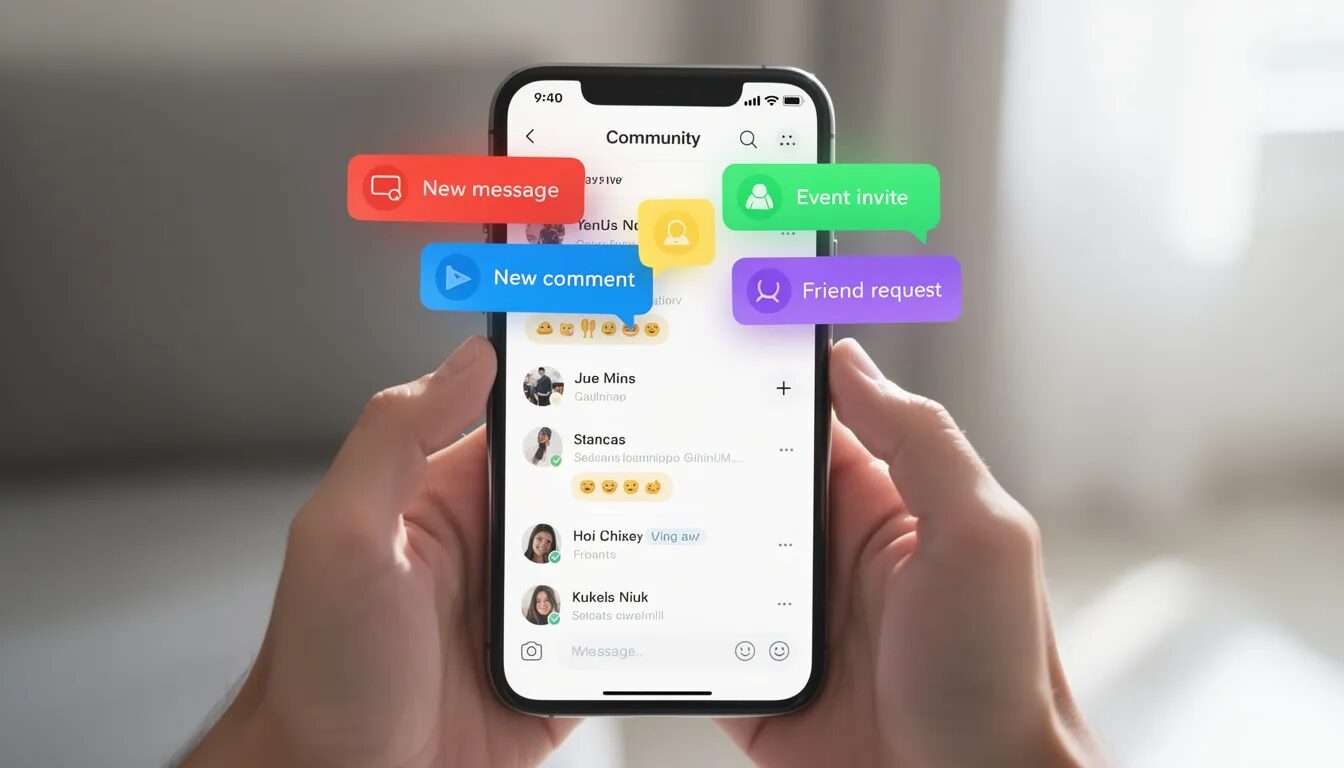
Onboarding Flows That Make Joining Feel Easy
The first week determines whether a new member becomes an active participant or a ghost account. Communities often lose 40–60% of new members if no meaningful interaction happens in the first 7 days.
Design a specific welcome flow:
- Confirmation email (immediate): Thank them for joining, explain what to expect, link directly to the community
- Automated DM (within 1 hour): Personal-feeling message from community manager asking one simple question
- Pinned “Start here” post: Step-by-step guide to getting value from the community in the first week
- Simple first action (within 24 hours): Clear prompt that guarantees a response
Here’s an example welcome script for 2025:
“Welcome to [Community Name]! 👋 I’m [Name], and I help keep this space useful. Quick favor: reply with your city, your role, and what you want to achieve by September 2025. I’ll personally connect you with someone facing similar challenges.”
This script accomplishes multiple goals: it makes the new member feel seen, creates an easy first interaction, and generates data you can use to facilitate connections.
Seeding Content and Early Momentum
The first 30–60 days set the cultural tone and determine whether the community feels alive or abandoned. Your job during this phase is to create the illusion of a thriving community until it becomes a reality.
Before inviting anyone, prepare 8–12 seed posts:
- 2–3 how-to guides solving specific problems your target audience faces
- 2 case studies from 2023–2024 showing member-like success stories
- 2 polls asking for opinions on relevant topics
- 1 “wins” thread encouraging members to share recent achievements
- 1 “introduce yourself” template showing the level of detail you expect
- 2 discussion starters with controversial but professional takes
Recruit a founding group of 20–50 highly aligned members before any public launch. These might be beta customers, newsletter subscribers, or people who’ve DM’d you asking for help. Invite them 2–4 weeks before the public launch. Their early activity creates the momentum new members need to see. It’s important to encourage members to participate and contribute from the start, as this helps build engagement and a sense of ownership.
Establish recurring content formats tied to specific days:
| Day | Format | Example |
|---|---|---|
| Monday | Goals thread | “What’s your #1 priority this week?” |
| Wednesday | Deep-dive | Long-form post on a specific topic with discussion prompts |
| Thursday | Office hours | Live Q&A session (text or video) |
| Friday | Wins celebration | “Share something that went well this week” |
During the first month, personally tag early members in discussions, ask specific questions that reference their introductions, and DM 10–20 people per week to encourage participation. Greet new members personally and encourage them to share user-generated content like reviews or testimonials. Celebrating member milestones, achievements, and contributions motivates continued participation and fosters a sense of pride and belonging. Encouraging user-generated content (UGC) makes community members feel valued and involved, boosting engagement. This hands-on approach models the behavior you want to see and helps new members feel valued.
Strong communities often start with a “soft open” in 2025: small cohort first, then announce widely once patterns and rituals feel stable. This prevents the “empty room” effect where 70% of new joins churn without immediate utility.
Designing Rituals That Build Belonging
Rituals are repeated, recognizable experiences that reinforce identity and belonging. They transform a collection of individuals into an engaged community with shared culture.
Examples relevant to 2023–2025 include:
- Monthly demo days: Members present what they’ve built or achieved
- Book clubs: Reading and discussing one relevant book per quarter
- Live office hours: Weekly Zoom sessions with experts or community leaders
- Quarterly “state of the community” AMAs: Transparency updates from leadership
- Welcome ceremonies: Weekly posts celebrating and introducing new members
For a professional community, consider monthly skill-share sessions where members teach each other something from their expertise.
For a hobby community, organize monthly challenges (photo walks, recipe tests, craft projects) with results shared in a dedicated thread.
For a customer-support community, run weekly “tough problem” threads where complex issues get collective attention from power users and staff.
The key: rituals should be simple to run, easy for members to understand, and consistent enough that people can anticipate them. A monthly event that happens reliably for 12 months builds more community culture than a flashy quarterly event that keeps getting rescheduled.
Fostering Authentic Engagement and Psychological Safety
Trust and safety are the backbone of stronger communities, especially when discussions touch on sensitive topics, professional vulnerabilities, or genuine struggles. Without psychological safety, members lurk instead of participate.
Write and pin clear community guidelines that cover:
- Harassment, discrimination, and personal attacks (zero tolerance)
- Self-promotion and sales rules (when, where, and how)
- Response time expectations (what members can expect from each other and staff)
- Conflict resolution process (how disagreements get handled)
- Privacy expectations (what stays in the community)
Creating clear community guidelines is essential for maintaining a safe and respectful space where members feel valued and heard. Establishing community values and guidelines also helps prevent misunderstandings and creates a welcoming and inclusive atmosphere.
Use inclusive language in your guidelines. Instead of “don’t be a jerk,” try “assume good intent and engage respectfully even when you disagree.” Instead of banning all promotion, specify: “Share your work in #showcase; keep other channels advice-focused.”
When handling first incidents—inevitable in any active online community—lead with education over punishment. A 2024-style approach might be:
“Hey [Name], wanted to flag that your recent post felt more like a pitch than a contribution. We love having you here—could you reframe it as a question or learning for others? Happy to help if you’d like suggestions.”
Develop practical engagement habits:
- Respond to every post within 24 hours during the early months
- Ask open-ended follow-up questions that deepen conversations
- Thank members publicly by name when they contribute value
- Celebrate member achievements in dedicated threads or announcements
Maintaining and growing an online community requires consistent effort—ongoing, dedicated work and steady planning are key to building engagement, loyalty, and a thriving environment.
Community leaders should share roadmap updates, admit mistakes, and explain behind-the-scenes decisions. This transparency humanizes leadership and encourages members to share more openly. Engagement is a two-way street that requires authentic interaction from both community managers and members.
For quieter members, create alternative participation paths:
- Anonymous question forms for sensitive topics
- Smaller peer groups or cohorts of 5–10 people
- “Ask the experts” threads where people can observe without posting
- Lurker surveys asking what would help them participate more
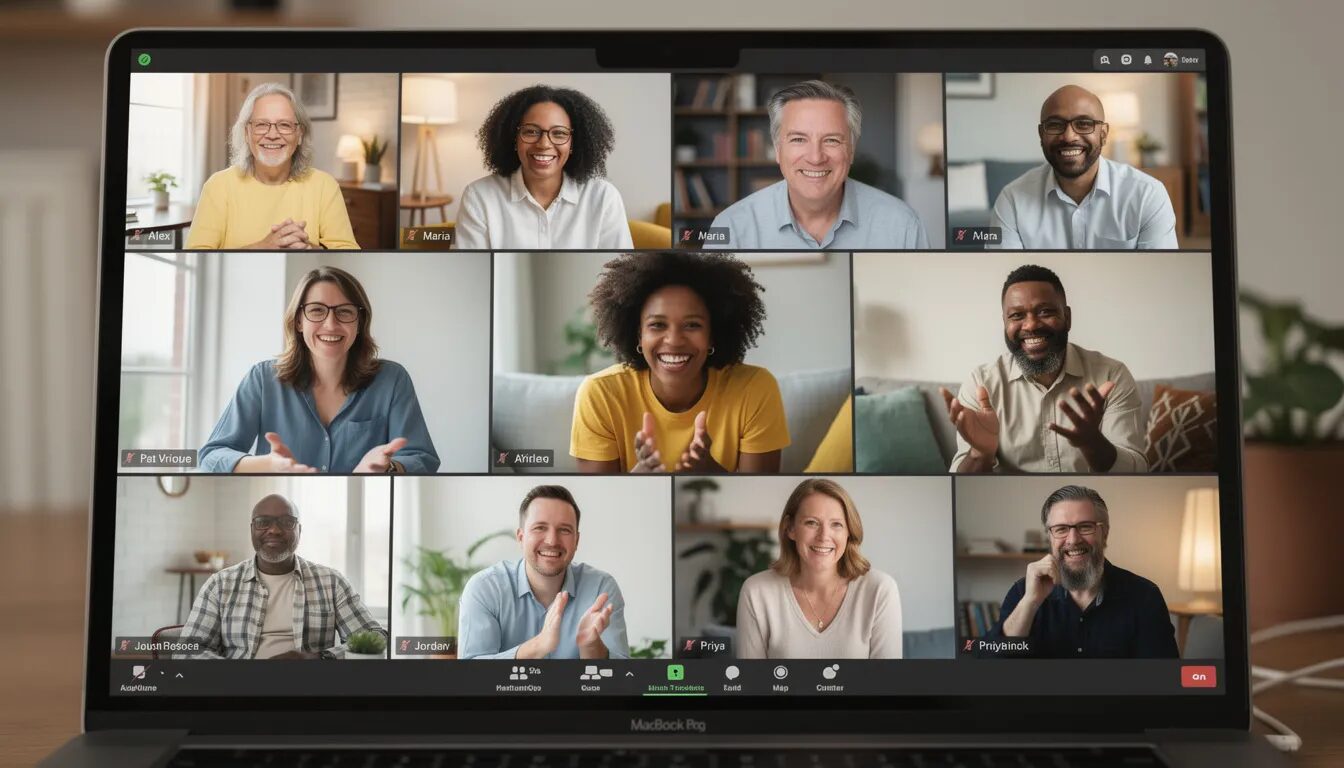
Moderation and Community Guidelines That Protect Culture Without Feeling Heavy-Handed
A clear moderation framework prevents both chaos and over-policing. Document graduated steps:
- Gentle nudge: Private message explaining the issue and how to adjust
- Formal warning: Clear statement that behavior violates guidelines, with consequences outlined
- Content removal: Taking down specific posts that cross lines
- Temporary timeout: 24–72 hour posting restriction for repeated issues
- Permanent ban: Reserved for serious violations or pattern offenders
Define roles with realistic 2025 time expectations:
| Role | Responsibilities | Hours/Week |
|---|---|---|
| Community Manager | Strategy, content planning, member relationships, analytics | 15–25 |
| Volunteer Moderator | Flag review, guideline enforcement, welcoming new members | 3–5 |
| Subject-Matter Host | Leading specific channels or topics, organizing events | 2–4 |
Use platform tools to help: keyword filters for spam and slurs, report buttons for member flagging, and escalation workflows that route serious issues to staff. Circle, Discord, and Slack all offer varying levels of automation here.
Communicate moderation actions transparently. Monthly “what we learned from reports” summaries (without naming individuals) build trust that the community’s culture is actively protected. Moderators play a key role in upholding the community’s culture by consistently modeling and enforcing its values. Share patterns you’re seeing and adjustments you’re making.
A clear moderation framework is crucial for consistent enforcement of community guidelines and maintaining a positive environment.
The Role of Community Managers in Sustaining Vibrant Spaces
Community managers are the backbone of any thriving online community. Their day-to-day work ensures that the community remains active, engaged, and aligned with its core purpose. More than just moderators, community managers are facilitators, connectors, and culture-builders who help community members feel welcome, valued, and motivated to participate.
A successful community manager sets the tone by establishing and upholding clear community guidelines, creating a safe and inclusive environment where meaningful discussions can flourish. They encourage user generated content by spotlighting member contributions, asking thought-provoking questions, and celebrating active members who share knowledge and resources. By organizing events—whether virtual meetups, AMAs, or collaborative projects—community managers keep the community active and foster deeper connections among members.
Understanding the target audience is crucial. Community managers use analytics tools to track engagement, identify trends, and gather feedback from community members. This data-driven approach allows them to adjust content strategy, introduce exclusive content or perks, and ensure the community remains aligned with both member needs and the brand’s objectives. They also play a key role in recognizing and empowering community leaders, turning active members into advocates who help sustain the community’s momentum.
Collaboration is another hallmark of effective community management. Community managers work closely with marketing, customer support, and product teams to ensure the online community supports the broader customer journey and business goals. By sharing insights from member feedback and community content, they help shape brand strategy and product development.
Growing the Community Without Diluting Its Strength
Rapid growth—jumping from 500 to 5,000 members in 2025 via a viral post—can erode intimacy if unmanaged. Niche communities grow 22% faster than general ones because focus creates value. Community growth is a key component of building a vibrant online presence, fostering customer loyalty, brand advocacy, and organic expansion through word-of-mouth marketing.
Align growth efforts with clear entry criteria. If someone joins from an email campaign, make expectations obvious: “This community is for [specific audience] working on [specific challenge]. If that’s you, here’s how to get started.”
Create sub-spaces or cohorts once active users pass specific thresholds. After 1,000 members, consider breaking by:
- Time zone (Americas, EMEA, APAC channels for sync events)
- Experience level (beginner, intermediate, advanced)
- Use case (freelancers, agencies, in-house teams)
- Interest area (specific topics that deserve their own space)
When creating these sub-spaces, ensure they align with the community’s focus and cater to hyper-specific interests or demographics to keep discussions highly relevant and engaging.
Leverage your brand advocates—the top 1–5% most engaged members. Identify them through activity metrics, then invite them to:
- Host sessions or lead discussions on their expertise
- Welcome newcomers with personal messages
- Moderate specific channels or topics
- Provide feedback on community direction
Communities can drive organic growth through word-of-mouth marketing among engaged members. An active online community leads to more referrals and stronger upsells.
Collaborate with adjacent communities or newsletters for cross-events. A 2024 partnership between two non-competing communities can bring in highly qualified new members who already understand community participation norms.
Strong communities often say “no” to certain audiences or behaviors to preserve focus. If someone isn’t your target audience, redirect them gracefully rather than diluting your community’s focus.
Monetization That Supports, Not Undermines, the Community
Member-first monetization strengthens rather than extracts from community value. Models relevant to 2023–2025 include:
- Paid membership tiers: Free community with premium levels offering early access, exclusive content, or direct access to experts
- Small-group masterminds: 5–10 person paid cohorts facilitated by community leaders
- In-depth workshops: Ticketed events on specific topics, often taught by community members
- Curated job boards: Employers pay to post; members access for free
- Negotiated discounts: Tools or services your members need, arranged at group rates
The strongest communities keep 80–90% of interactions non-transactional. A community that feels like a sales channel loses the trust that made it valuable.
Be transparent from the first paid experiment. Explain why you’re charging, where money goes, and what members get. Disclose sponsorships and affiliate relationships openly. Members respect honestly-communicated business models far more than hidden monetization.
Measuring Community Strength and Iterating Over Time
Strong communities are managed like long-term products, with regular reviews and experiments. Tracking user engagement and relevant metrics is essential for measuring progress and making informed decisions. The goal isn’t perfect metrics—it’s continuous improvement based on data and stories.
Define a concrete measurement set for 2025:
| Metric | What It Measures | Target |
|---|---|---|
| Monthly active members | Core engagement baseline | Growth rate + retention |
| % posting/commenting monthly | Participation depth | 15–25% for healthy community |
| Average replies per thread | Conversation quality | 3+ indicates discussion, not broadcast |
| Member satisfaction score | Subjective experience | 8+/10 from quarterly surveys |
| Returning member rate (30/90 days) | Onboarding effectiveness | 60%+ at 30 days, 40%+ at 90 days |
Gather feedback through quarterly member surveys and 1:1 interviews. Aim for 5–10 calls per quarter with a mix of super-engaged members, casual participants, and people who’ve become less active. Ask open-ended questions: “What’s the most valuable thing you’ve gotten from this community?” and “What almost made you leave?” Monitoring engagement, gathering feedback, and refining your approach will help your community stay relevant and valuable for your members.
Build a simple dashboard in Notion or Google Sheets to track numbers across 2024–2025. Visualizing trends over time reveals patterns that snapshot data misses. Look for correlations: does engagement spike after certain events? Do members who introduce themselves in week one stay longer?
Creating a content calendar helps maintain regular posting intervals and ensures fresh content is shared without overwhelming members.
Run small experiments with clear hypotheses:
- “A new onboarding DM sequence will increase 30-day retention by 10%”
- “Consolidating 8 channels to 5 will increase average posts per channel by 25%”
- “A monthly member spotlight will increase UGC submissions by 15%”
Measure impact over 4–8 weeks before declaring success or failure. Iteration based on data and stories is what turns a good community in 2025 into a durable, stronger one over several years.
Turning Members into Co-Builders and Leaders
The strongest online communities eventually become co-owned by members, reducing dependence on a single founder or brand team. Empowering members to become community builders who foster a self-sustaining and dynamic environment is key to long-term success. This shared ownership is what allows communities to endure platform changes, algorithm shifts, and staff turnover.
Spot potential community leaders by observing:
- Consistent posters who show up week after week
- Helpful respondents who answer questions thoroughly and kindly
- Natural organizers proposing meetups, side-projects, or initiatives
- Connectors who tag others and facilitate introductions
- Members others consistently thank or reference
Identifying future leaders involves recognizing members who demonstrate a genuine passion for the community’s purpose.
Offer clear, concrete roles with time expectations:
| Role | Responsibilities | Time Commitment |
|---|---|---|
| Channel Host | Lead discussions, welcome topic-relevant members, maintain quality | 2–3 hours/week |
| Event Coordinator | Organize virtual/in-person gatherings, handle logistics | 5–10 hours/month |
| Onboarding Buddy | Welcome new members, answer early questions, make introductions | 1–2 hours/week |
| Content Curator | Compile weekly digests, surface best discussions, maintain resource hub | 2–3 hours/week |
Create lightweight leadership paths: a 3-month trial as a volunteer host, with optional formal recognition or stipends for those who excel and want to continue. Document what success looks like so expectations are clear.
Share credit publicly. A “Community Council 2025” page listing member leaders and their contributions validates their effort and signals to others that leadership opportunities exist. Recognize these leaders in community announcements and give them input on community direction.
This distributed leadership model means the community remains strong even when the founding team is busy, on vacation, or moves on to other projects. The culture belongs to everyone, not just the organization behind it.

Conclusion: Building Stronger Communities That Last Beyond 2025
Building stronger online communities in 2025 comes down to four fundamentals: clarity of purpose, thoughtful structure, genuine relationships, and continuous improvement. Every section of this guide points back to these principles.
Tools matter less than you think. What matters is establishing rituals people anticipate, demonstrating responsiveness that makes members feel valued, and setting aligned expectations that create a welcoming environment from day one. As digital noise continues to grow, the communities that thrive will be those that remain focused on depth over reach, quality over quantity.
Your next step is to pick one concrete change to implement within the next 30 days. Maybe it’s redesigning your onboarding flow so new members take action within 24 hours. Maybe it’s launching a quarterly survey to gather feedback you’ve been missing. Or perhaps it’s recruiting your first community council to share the leadership burden.
An active online community is not just a place where people gather—it’s a compounding asset that generates brand loyalty, customer journey insights, collaborative projects, and brand advocacy year after year. The ongoing effort you invest now will keep paying returns through 2026 and beyond. Start building stronger online communities today, and you’ll create something that lasts far longer than any social media algorithm.