
In 2025, the rise of voice based interaction in 2025 is a game-changer. The year marks a turning point for conversational AI and voice-based interaction, as technological advancements and market adoption converge to drive a major shift in the industry. It’s transforming user experiences with advancements in AI and NLP. This article uncovers why voice tech is gaining ground, what it means for different industries, and how it’s shaping the future.
Key Takeaways
- Voice technology has evolved significantly, driven by advancements in AI and natural language processing, leading to more accurate and intuitive user interactions by 2025.
- In 2025, 67% of organizations view voice AI as essential, highlighting the convenience and efficiency it brings to various industries, including healthcare, banking, and retail.
- The number of voice assistant-enabled devices is expected to exceed 8.4 billion by the end of 2025, surpassing the global population.
- Key trends such as emotional intelligence in AI and hyper-personalization are transforming voice interactions, enabling deeper user engagement and satisfaction.
- Voice search trends in 2025 show major improvements in accuracy, contextual understanding, and conversational AI capabilities, with multimodal interactions enhancing user experiences across multiple industries.
The Evolution of Voice Technology

Interaction with technology has come a long way from the early days of command-line interfaces (CLI) to the more intuitive graphical user interfaces (GUI) and touch interfaces we use today. The next leap in this evolution is voice tech, which leverages advancements in artificial intelligence (AI) to interpret speech with high accuracy. In 2025, voice technology is faster, smarter, and more secure, making it a preferred choice for many users.
The journey of voice technology is marked by significant milestones, starting from rudimentary command-response systems to sophisticated conversational interfaces. This evolution has been driven by continuous improvements in AI, natural language processing (NLP), and automatic speech recognition (ASR), which have collectively enhanced the accuracy and intelligence of voice systems. These advancements now enable voice interfaces to interpret and respond to human speech with greater precision, making interactions feel more natural and intuitive.
As we move forward, voice technology is expected to play a pivotal role in digital transformation across various industries.
From Early Speech Recognition to Advanced AI
Early speech recognition systems were rudimentary, plagued by limitations such as poor processing of accents, audio disturbances, and limited terminology sets. These systems could only perform basic tasks and often required users to speak in a rigid, predefined manner.
However, the landscape began to change with advancements in AI and machine learning, which significantly improved the capabilities of voice technology. Today, we have advanced AI-driven voice assistants that can understand and respond to natural language commands with remarkable accuracy. Businesses are increasingly using AI-powered voice bots for 24/7 customer service and support, enhancing speed and personalization. Large language models have further advanced conversational AI by enabling more nuanced and empathetic interactions, improving natural language processing, emotional intelligence, and the overall user experience.
The integration of voice search technology with platforms like smart speakers and mobile devices has brought voice interactions into our homes and daily routines. Companies like Google have developed voice assistants that can process complex queries and provide relevant responses, transforming how we interact with technology. Additionally, voice technology is becoming more integrated into various devices, including smart speakers, TVs, and appliances, making it a staple in homes and offices.
Integration with Natural Language Processing (NLP)
Natural language processing (NLP) has been a game-changer for voice technology. NLP allows machines to understand context, slang, and regional dialects, paving the way for more advanced human-computer dialogues. This has led to significant improvements in voice recognition technology, making voice interactions more intuitive and engaging, enhancing natural language understanding. AI voice agents utilize NLP to understand tone, emotion, and intent, allowing for more personalized interactions that resonate with users on a deeper level.
The fusion of NLP with machine learning and generative AI has redefined digital communication in 2025. Voice interactions are now capable of understanding user intent and providing personalized responses based on past interactions and preferences. This has enhanced user engagement and satisfaction, as voice systems can now offer more natural dialogue and context-aware interactions.
Why Voice Interaction is Dominating in 2025

In 2025, a substantial 67% of organizations view voice AI as essential to their business strategies. Voice technology has become the primary interface for interaction, offering unparalleled convenience and efficiency. This marks a shift towards a voice first paradigm, where voice interactions are prioritized across devices and systems, driving the growth of voice-first ecosystems in smart homes and connected devices. Innovations in AI and cloud computing have driven this rise, making voice technology smarter and more reliable. In the U.S. alone, 153.5 million people rely on voice assistants, showcasing their widespread adoption and importance in daily life. The integration of AI voice technology into customer service is becoming a strategic asset for businesses, enhancing brand perception and customer retention.
Users prefer voice search due to its hands-free functionality, speed, and ease of use. Whether it’s shopping, managing tasks, or controlling smart home devices, voice technology provides a seamless and intuitive experience that aligns with the user’s voice. More than 46% of U.S. adults use voice assistants daily, reflecting the growing reliance on this technology for everyday tasks. Additionally, 66% of users rely on voice search for weather updates, highlighting its practicality in daily life. Furthermore, 90% of people find voice search easier than traditional methods, underscoring its user-friendly nature and growing appeal.
Industries like banking, travel, and healthcare are increasingly adopting voice assistants to enhance customer service and operational efficiency. This widespread adoption underscores the transformative impact of voice technology on digital interactions.
Hands-Free Convenience and Efficiency
Voice technology empowers hands-free operation, allowing users to engage in tasks without manual input. Key benefits include:
- Professionals can dictate emails
- Set reminders
- Book flights through voice commands These features significantly enhance productivity. The ability to multitask without needing to interact physically with a device has surged in demand, especially in today’s fast-paced work environments.
Moreover, voice interfaces enable more natural interactions, reducing the need for rigid commands and making technology more accessible to a broader audience. With smart devices and mobile apps integrating voice recognition, users can perform a wide range of tasks effortlessly, further cementing the role of voice technology in our daily lives.
Improved Accessibility and Inclusivity
Over 1 billion people globally live with disabilities, emphasizing the need for accessible technology advancements. Voice technology assists individuals with disabilities by allowing operations that do not require visual contact with a screen. For example, 32% of consumers with visual impairments utilize voice assistants weekly, highlighting the significant accessibility benefits. Additionally, voice technology empowers underrepresented groups by helping individuals find employment and access government services, further broadening its societal impact. Furthermore, voice technology enhances accessibility for individuals with disabilities by allowing them to interact with devices using voice commands, making technology more inclusive and user-friendly.
Voice technology also bridges the digital divide in regions with high illiteracy rates by enabling localized voice search. Speaking is a natural form of communication learned before reading or writing, making voice interaction intuitive and inclusive. This inclusivity not only improves user satisfaction but also fosters a sense of independence and empowerment among users. Voice interfaces help bridge the digital divide further by enabling users to access information in their local languages, making technology more accessible to diverse populations.
Enhanced User Experience and Satisfaction
Seventy-two percent of users who receive proactive support through voice technology report increased satisfaction. This indicates a strong correlation between voice support and user contentment. Customers expect interactions with voice assistants to be seamless and intelligent, which enhances their overall experience. Businesses using voice AI are seeing benefits such as faster resolutions, higher customer satisfaction, and increased loyalty. Hyper-personalized voice interactions foster deeper customer loyalty by building stronger relationships and engagement between brands and their customers.
Emotion detection in AI interactions further enhances user satisfaction by providing empathetic and tailored responses. The trend towards hyper-personalization is driven by consumers’ preference for tailored experiences, with many willing to share personal information if it enhances their interaction experience through sentiment analysis.
This shift towards more personalized and intelligent customer interaction is transforming the customer service landscape.
Key Use Cases of Voice-Based Interaction
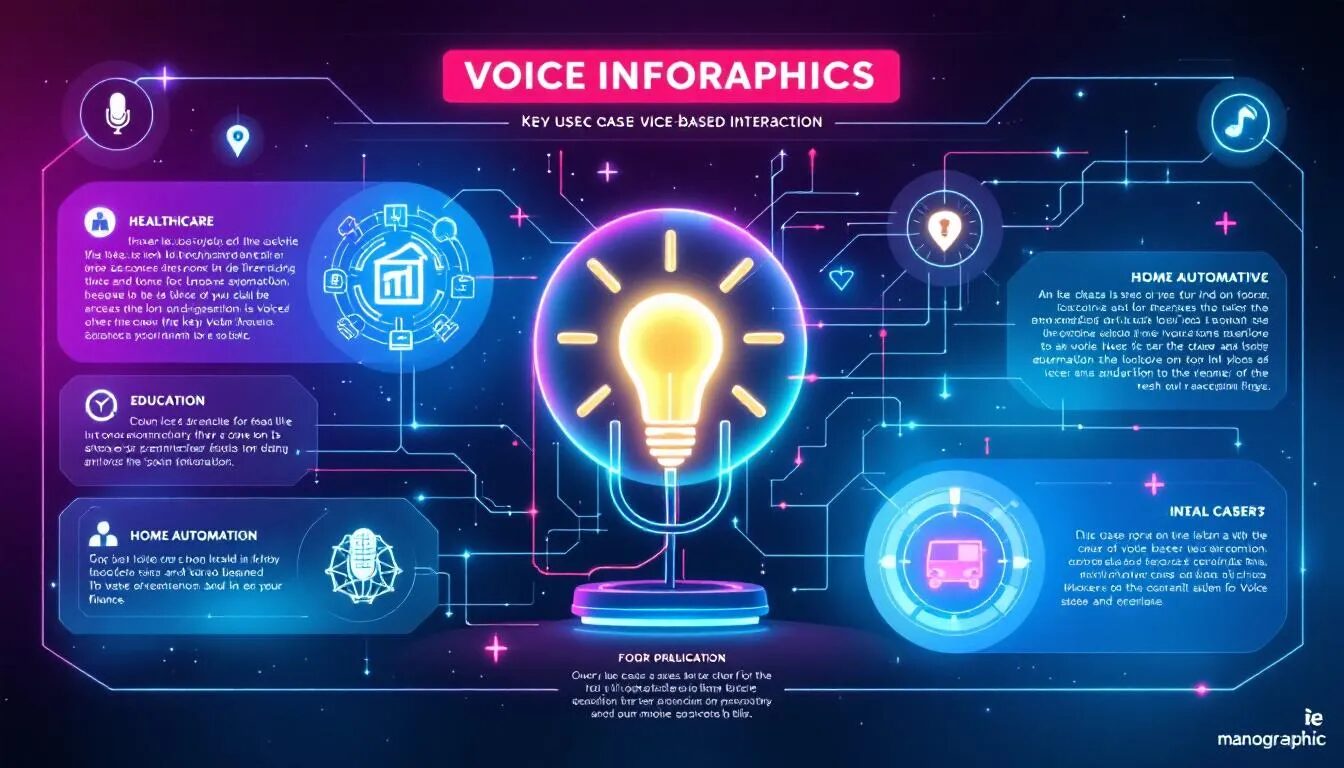
By 2025, more than 75% of households in developed countries are expected to own a smart speaker. Voice technology is rapidly expanding its presence in various industries, including smart homes, healthcare, automotive systems, and customer service automation. Each of these sectors is leveraging voice assistants to enhance user experiences and streamline operations. Forecasts suggest that by 2024, the number of digital voice assistants will reach 8.4 billion units, surpassing the global population.
Automated conversations powered by AI are streamlining communications and improving efficiency across industries such as healthcare, automotive, and customer service, enabling more natural and effective interactions between users and systems.
The healthcare, banking, and retail sectors, in particular, are reaping significant benefits from integrating voice technology. Voice assistants are transforming how patients interact with healthcare services, how drivers navigate, and how customers receive support from businesses. These key use cases illustrate the versatility and impact of voice technology in our daily lives.
Smart Home Devices
Voice interfaces are changing home management by allowing users to control devices with simple commands. Voice assistants facilitate commands for various home functions such as adjusting lights and temperature, making home management more convenient. Smart speakers are commonly placed in living rooms, bedrooms, and kitchens, enabling users to interact with them from different parts of the home.
The increasing number of smart speakers owned among consumers reflects the growing popularity of voice technology in home settings. With devices like Google Assistant, users can manage their homes effortlessly, enhancing convenience and efficiency. A significant 74% of users use voice search to play music, showcasing its role in entertainment and daily routines.
Healthcare Services
Voice technology enhances patient care by streamlining appointment scheduling and medication reminders, which boosts adherence to treatment plans. Patients can easily interact with healthcare services using voice commands, reducing the need for manual input and improving service quality. Healthcare systems are increasingly integrating voice user interfaces to streamline operations and improve medical data management, further enhancing the delivery of care.
This transformation in healthcare services not only improves patient interactions but also streamlines processes, making healthcare more efficient and accessible.
Automotive Systems
Voice assistants in vehicles streamline navigation and control tasks, allowing drivers to interact with their cars using voice commands. This hands-free control significantly enhances driver safety by reducing distractions and enabling drivers to focus on the road. Processing voice data at the “edge” reduces latency and enhances data privacy, making voice interactions faster and more secure. Additionally, AI voice agents are capable of conducting multilingual conversations, adapting tone and context to match each user, which enhances customer engagement.
Prominent car manufacturers such as Tesla, Hyundai, and Maruti Suzuki are integrating voice technology into their models, highlighting the growing importance of voice systems in the automotive industry.
Customer Service Automation
AI voice technology is revolutionizing business operations by:
- Improving productivity and reducing errors
- Enhancing service efficiency through automation of high-volume tasks and delivering human-like conversations
- Reducing service costs by up to 30%
- Improving brand perception and customer retention
AI voice agents can handle high call volumes and resolve common issues instantly, providing 24/7 availability without expanding headcount. By automating common customer interactions, these systems significantly reduce the burden on the call center and improve overall service efficiency.
Intelligent exchanges in AI voice support can strengthen customer relationships and raise satisfaction scores. Advanced conversational AI can determine when to escalate complex issues to a human agent, ensuring personalized and accurate support. Additionally, AI-driven voice bots reduce reliance on human agents by handling high-volume queries around the clock. Insights from ai agents and AI voice agents reveal customer pain points, emerging trends, and opportunities to answer questions for service strategy refinement.
As a result, businesses are increasingly utilizing AI-powered voice bots to handle common customer service queries and provide always-on support.
Implementing Voice Based Interaction
Implementing voice-based interaction in 2025 requires a thoughtful, strategic approach to ensure seamless integration with existing digital systems and to deliver a superior user experience. As voice technology matures, businesses are increasingly leveraging voice assistants, such as Google Assistant, to streamline customer interactions and automate routine tasks. The combination of natural language processing (NLP), machine learning, and automatic speech recognition (ASR) enables these systems to accurately interpret and respond to the user’s voice, making interactions more natural and efficient.
To successfully implement voice-based interaction, organizations should focus on several key areas:
- Conversational AI Systems: Develop robust conversational AI systems that can understand and process complex voice commands. By utilizing advanced natural language understanding (NLU) and ASR, these systems can engage in meaningful, human-like conversations, answer questions, and complete tasks with minimal friction.
- Voice Search Capabilities: Integrate voice search technology into mobile apps and websites, allowing users to perform search queries using their voice. This not only enhances accessibility but also aligns with the growing trend of voice searches, making information retrieval faster and more intuitive.
- Smart Speakers and Smart Home Devices: Leverage the widespread adoption of smart speakers and smart home devices to offer users a seamless, voice-enabled experience. These devices serve as primary interfaces for controlling home environments, accessing information, and managing daily routines through simple voice commands.
- Emotional Intelligence and Sentiment Analysis: Incorporate emotional intelligence and sentiment analysis into voice agents to better understand user emotions and intent. By recognizing tone and sentiment, AI voice agents can deliver more personalized, empathetic responses, boosting customer satisfaction and loyalty.
- Multimodal Interactions: Design multimodal interactions that combine voice, text, and visual elements. This approach provides users with a richer, more engaging experience, allowing them to interact with digital systems in the way that feels most natural to them.
By embracing these strategies, businesses can harness the full potential of voice technology to improve service efficiency, drive customer engagement, and foster long-term loyalty. In 2025, voice-based interaction is not just a trend—it is becoming the primary interface for digital engagement, and organizations that invest in this technology are well-positioned to lead in customer experience.
Designing Effective Voice User Interfaces (VUIs)
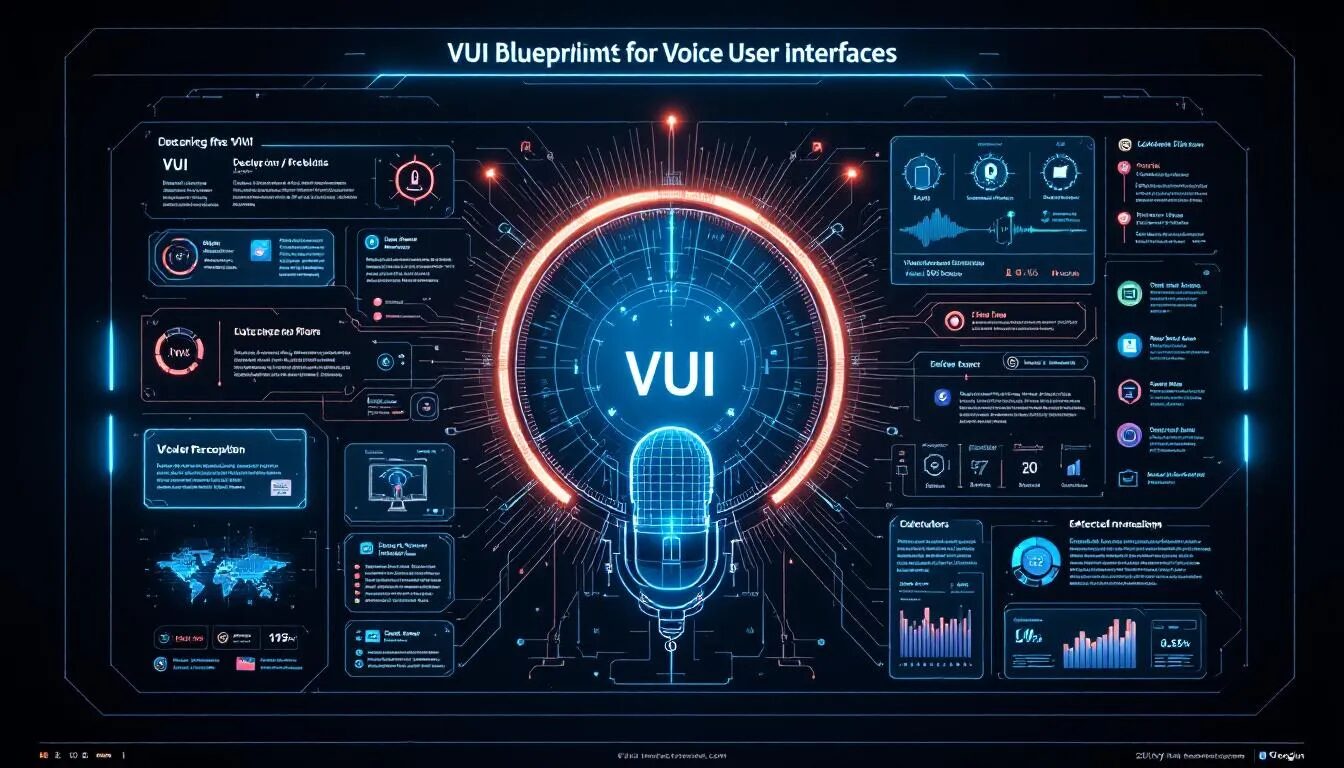
Effective voice user interfaces should focus on understanding user contexts and simplifying interactions. Contextual understanding allows voice assistants to provide appropriate responses based on user intent, enhancing the overall user experience. The integration of emotional intelligence in AI enables systems to adapt responses based on user emotions, further improving satisfaction.
Designers must anticipate and map out every possible scenario, query, and response to ensure seamless interactions when creating effective VUIs. Continuous iteration or ‘bot tuning’ is essential for maintaining conversational AI and ensuring it meets user needs.
Focusing on these principles allows organizations to develop VUIs that provide natural and engaging user behavior experiences.
Conversational Design Principles
Successful conversation design should aim to replicate human-like interactions, making it easier for users to navigate queries. Voice interfaces can handle complex commands beyond basic actions, allowing for more natural interaction. Activities involved in tuning virtual assistants include adding, removing, or modifying utterances to enhance interactions. This continuous iteration, or ‘bot tuning,’ is crucial for maintaining conversational AI and ensuring it meets user needs.
Organizations need to anticipate and map out every possible scenario, query, and response to create effective virtual assistant experiences. Answering questions and monitoring actual conversations after releasing virtual assistants is essential for improving the user experience. This approach helps in identifying areas for improvement and ensuring that the virtual assistant evolves with user expectations.
Multimodal Interactions
The future of user interactions is moving toward combining voice commands with visual elements and gestures for a more engaging experience. Multimodal interactions enhance user engagement by providing multiple ways to interact with technology, making it more accessible and intuitive. For instance, a user could use voice commands to search for information while receiving visual feedback on a screen.
This combination of voice, visual feedback, and gestures not only makes interactions more engaging but also more efficient. Users can complete tasks faster and with greater accuracy when multiple modes of interaction are available.
This trend towards multimodal interactions is transforming how we interact with digital systems and is just a trend that is a key area of focus for future developments in voice technology.
Privacy and Security Concerns
As voice technology evolves, ensuring robust privacy measures and transparent data use is critical to maintaining user trust. Sensitive data collection requires prioritizing privacy and security to protect user information and build trust. Users are increasingly concerned about how their data is being used and expect companies to implement stringent security measures.
Companies must be transparent about their data collection practices and offer clear options for users to manage their data to address these concerns. Ensuring that voice assistants comply with privacy regulations and are equipped with advanced security features is essential for maintaining user trust and engagement.
This focus on privacy and security will play a crucial role in the continued adoption and success of voice technology.
Challenges and Limitations
Despite the rapid advancements and widespread adoption of voice-based interaction, businesses must navigate several challenges and limitations to fully realize its benefits.
- Accuracy and Reliability: Achieving high accuracy in voice recognition remains a challenge, especially in noisy environments or when processing diverse accents and dialects. Misinterpretations can lead to user frustration and decreased trust in voice systems.
- Security and Privacy: Voice technology often involves the collection and processing of sensitive user data. Ensuring robust security measures and maintaining user privacy are critical to building and retaining user trust. Unauthorized access or data breaches can have significant repercussions for both users and businesses.
- User Adoption: While younger generations are quick to embrace voice assistants, some users—particularly older adults or those with disabilities—may be hesitant to adopt voice-based interaction. Overcoming resistance and ensuring that voice technology is accessible and user-friendly for all demographics is essential.
- Integration with Existing Systems: Seamlessly integrating voice-based interaction with legacy systems, such as customer relationship management (CRM) platforms and call centers, can be complex and resource-intensive. Ensuring compatibility and smooth data flow is vital for delivering a cohesive customer experience.
- Cost and Investment: Developing, deploying, and maintaining advanced voice technology solutions requires significant investment in both technology and talent. Businesses must carefully evaluate the return on investment (ROI) to ensure that these systems deliver measurable value.
To address these challenges, organizations should:
- Continuously Test and Improve: Regularly test and refine voice recognition systems to enhance accuracy and reliability, adapting to evolving user needs and environments.
- Implement Robust Security Measures: Prioritize data protection by adopting advanced security protocols and ensuring compliance with privacy regulations.
- Provide User Education and Support: Offer comprehensive training and support to help users become comfortable with voice technology, addressing concerns and promoting adoption.
- Develop Strategic Partnerships: Collaborate with technology providers and system integrators to facilitate smooth integration with existing digital infrastructure, including call centers and CRM systems.
- Monitor and Evaluate ROI: Track performance metrics and user feedback to assess the effectiveness of voice-based interaction initiatives and make data-driven improvements.
By proactively addressing these limitations, businesses can unlock the full potential of voice technology, delivering seamless, efficient, and personalized experiences that meet the evolving expectations of today’s users.
Emerging Trends in Voice-Based Interaction

Voice AI is projected to reach a market size of $47.5 billion by 2034, indicating a strong growth trajectory. This growth is driven by the widespread adoption of Conversational AI, with 85% of decision-makers foreseeing its widespread use in the next five years. The market for no-code and low-code AI development is also expanding, empowering a broader range of users to create and deploy AI solutions.
Emerging trends in AI voice search promise to make interactions with technology more natural, efficient, and context-aware. The integration of voice technology with other technologies, such as AR and VR, is creating richer, more immersive user experiences. These trends highlight the potential of voice technology to transform various aspects of our lives and industries.
Emotional Intelligence in Voice AI
Voice technology analyzes user emotions by interpreting various factors such as tone, pace, and pitch in speech. AI voice agents are now capable of interpreting emotional cues, adjusting their interactions based on the user’s emotional state. This ability to provide emotionally nuanced responses is becoming increasingly significant as users expect technology to understand and respond to their feelings.
Increasing user expectations demand AI that can provide tailored responses to individual situations. Emotional intelligence in voice AI enhances user satisfaction by making interactions more empathetic and personalized. Consumers demand that AI interactions feel personal, empathetic, and trustworthy, often expecting a higher standard than older systems. This trend is transforming how users interact with technology, fostering deeper connections and improving overall user experience.
Hyper-Personalization
Hyper-personalization is another emerging trend in voice technology. As voice assistants and personal assistants become more intelligent, they are increasingly able to learn and adapt to individual user preferences. Businesses that leverage these personalized voice interactions are likely to see higher customer satisfaction and loyalty.
Consumers prefer personalized offers and quick, tailored user journeys. Two-thirds of buyers are willing to share more data for more tailored interactions. This trend towards hyper-personalization is driven by consumers’ preference for tailored experiences, with many consumers expect companies to use AI for personalized interactions to meet customer expectations.
Integration with Other Technologies
The combination of voice technology with other technologies is leading to several advancements:
- Integration with AR and VR is creating richer user experiences that are more engaging and interactive.
- Advancements in edge computing are significantly improving the efficiency and speed of voice technology responses.
- Bots are tailored for specific industries through training on sector-specific terms, compliance standards, and decision-flows.
71% of consumers report increased shopping frequency due to AR integration with voice technology. These advancements offer immersive and personalized experiences, transforming how users interact with digital systems and enhancing overall user engagement.
The Future of Voice Search
Voice search is expected to become a standard means of interaction by 2025, significantly changing consumer behavior. The growing adoption of voice assistants and the increasing accuracy of voice recognition technology are driving this shift. Notably, 76% of voice searches are ‘near me’ or local queries, reflecting the convenience and relevance of voice technology in everyday life.
Voice search technology is expected to play a significant role in various industries, particularly in online shopping. As voice-enabled shopping transactions are projected to reach $80 billion in 2025, e-commerce platforms need to optimize websites and apps for voice queries. Voice search engine optimization (VSEO) can enhance brand visibility by increasing organic traffic and recognition through targeted keywords and content optimization. This transformation in voice search capabilities will redefine shopping journeys and enhance the overall customer experience.
Rise of Voice Search Queries
In 2024, Google Assistant usage is projected to have increased by 46% in the U.S., reflecting a growing trend towards voice search. Key points include:
- Millennials are leading voice assistant usage, with 34% engaging weekly.
- Gen Z is closely following, indicating a shift in how younger generations interact with technology.
- Voice search is increasingly relied upon for completing various tasks, with 20% of users using voice commands for actions like ordering.
Various devices such as smartphones, smart speakers, and computers are commonly used for voice searches, making access easier than ever. In voice searches, keywords are not as important; Google scans entire pages for relevant sections to deliver accurate results. By 2025, around 20.5% of people worldwide actively use voice search.
This shift towards natural, conversational language in voice search engine optimization (VSEO) is transforming how users interact with search engines.
Voice Search in E-Commerce
In 2025, voice-enabled shopping transactions are expected to reach $80 billion, showcasing the impact of voice technology in commerce. Voice search allows consumers to search, compare, and purchase products using voice commands, making the shopping experience more convenient and efficient. This growing reliance on voice search is prompting e-commerce platforms to optimize websites and apps for voice queries. Voice commerce driven by Conversational AI will surpass $57 billion globally by 2025, further emphasizing its transformative role in the retail sector.
Conversational AI systems are redefining shopping journeys at scale, providing personalized recommendations and enhancing the overall customer experience. As voice search continues to evolve, it will play a crucial role in shaping the future of e-commerce and transforming how consumers interact with online platforms.
Summary
Voice technology is transforming user experiences across various industries, offering unparalleled convenience, accessibility, and satisfaction. From the evolution of voice technology to its integration with NLP, we have seen how voice interactions are becoming more intuitive and engaging. The hands-free convenience, improved accessibility, and enhanced user experience are driving the widespread adoption of voice assistants.
Emerging trends such as emotional intelligence, hyper-personalization, and integration with other technologies are further enhancing the capabilities of voice technology. Analyzing the user’s voice for emotion and tone detection allows voice assistants to recognize emotional states, which further improves the quality of voice-based interactions. As we look to the future, voice search will play a significant role in shaping consumer behavior and digital interactions. The rise of voice-based interaction in 2025 is just the beginning, and its potential to revolutionize user experiences is immense. Let us embrace this transformation and explore the endless possibilities that voice technology offers.
Frequently Asked Questions
Why is voice interaction dominating in 2025?
Voice interaction dominates in 2025 due to its hands-free convenience, improved accessibility, and enhanced user experience, making it the preferred choice for numerous users.
How does NLP enhance voice technology?
NLP significantly enhances voice technology by allowing machines to comprehend context, slang, and regional dialects, thus facilitating more natural and engaging interactions between humans and computers. This advancement improves overall user experience and communication effectiveness.
What are some key use cases of voice-based interaction?
Voice-based interaction is primarily used in smart home devices, healthcare services, automotive systems, and customer service automation, facilitating convenience and efficiency across various sectors.
How is voice technology improving accessibility?
Voice technology significantly enhances accessibility for individuals with disabilities by enabling operations without the need for visual input, thus broadening the range of users who can effectively interact with devices. It also improves accessibility for those with limited literacy, making technology more inclusive and user-friendly.
What are the emerging trends in voice-based interaction?
The emerging trends in voice-based interaction reflect a significant shift towards emotional intelligence, hyper-personalization, and seamless integration with augmented and virtual reality technologies. These advancements are shaping more intuitive and engaging user experiences.