
In today’s hyper-competitive business landscape, over 90% of new brands struggle to gain meaningful market share within their first year. With every industry seemingly saturated with competitors fighting for the same customers, building a strong brand presence in a competitive market has become both more critical and more challenging than ever before.
The harsh reality is that traditional marketing strategies often fail in crowded markets. Simply having a good product or competitive pricing isn’t enough when customers face dozens of similar options. Brand positioning is important because it is essential for differentiating your company in a competitive market, enhancing brand awareness, and fostering customer loyalty, all of which contribute to overall business success. Success requires a strategic approach to differentiation, positioning, and consistent execution across all customer touchpoints.
This comprehensive guide will walk you through proven frameworks for establishing a recognizable brand that cuts through the noise. From competitive analysis to long-term brand building strategies, you’ll learn how to create a lasting impression that drives customer loyalty and sustainable growth, even in the most competitive markets.
Understanding the Competitive Landscape
Before developing your brand strategy, you need a clear picture of who you’re competing against and where opportunities exist. Most businesses make the mistake of only looking at obvious direct competitors, missing the broader competitive context that shapes customer perceptions and market trends.
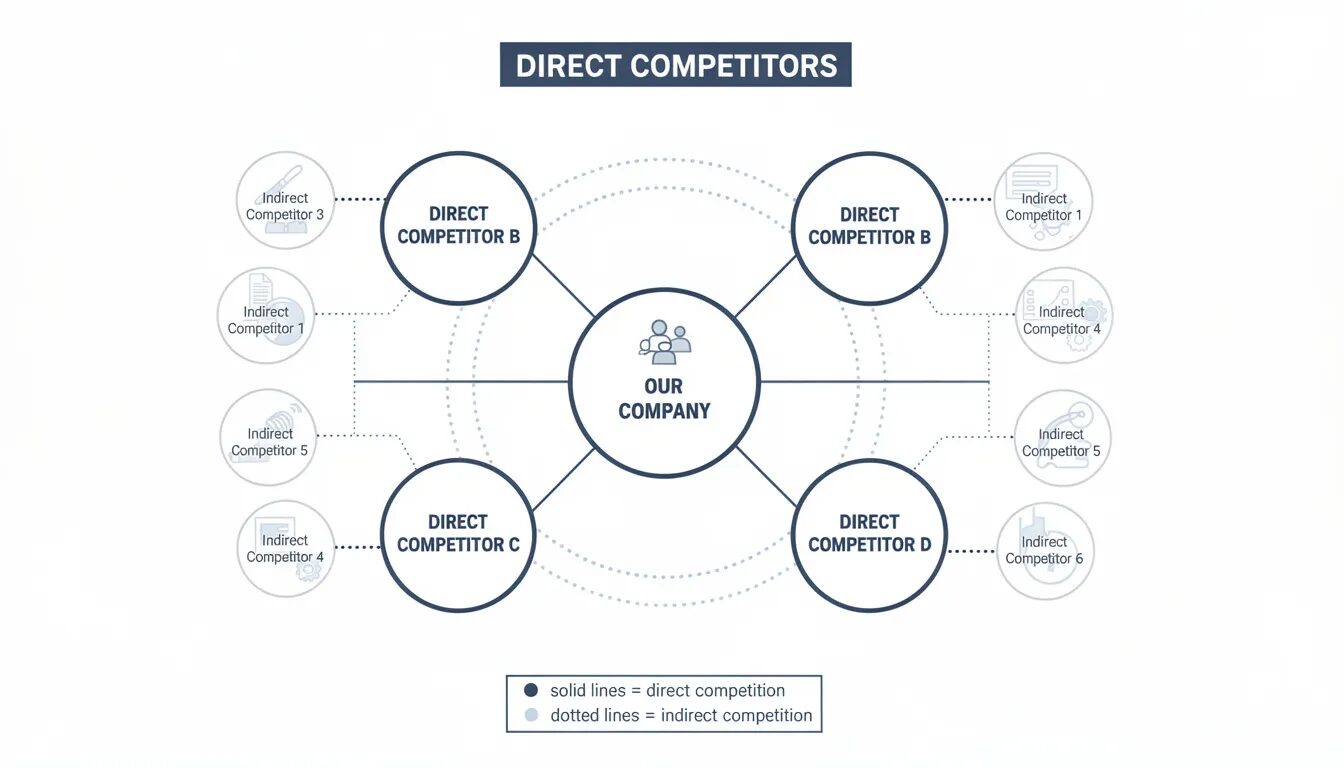
Start by identifying 3-5 direct competitors who target your exact audience with similar solutions. But don’t stop there – also analyze indirect competitors who solve the same customer problem through different approaches. For example, if you’re launching a meal kit service, your direct competitors might be other meal kit companies, but your indirect competitors include grocery stores, restaurants, and even food delivery apps.
Competitive Analysis Framework
Create a systematic approach to competitor research using this actionable framework:
Phase 1: Competitor Identification
- Map direct competitors (same product, same target audience)
- Identify indirect competitors (different product, same customer need)
- Note substitute solutions customers currently use
- Research emerging players and potential market disruptors
Phase 2: Digital Presence Analysis Use tools like SEMrush or Ahrefs to analyze competitor digital strategies:
- Organic search visibility and keyword rankings
- Paid advertising spend and messaging themes
- Social media engagement rates and content strategy
- Website user experience and conversion optimization
- Content marketing approach and thought leadership positioning
Phase 3: Market Gap Identification Look for these opportunity indicators:
- Customer complaints about existing solutions in reviews and social media
- Underserved customer segments with specific needs
- Geographic or demographic gaps in competitor coverage
- Feature or service combinations that no competitor offers
- Price points where no strong competitor exists
A great example of effective competitive analysis comes from Dollar Shave Club’s 2011 market entry. Instead of competing directly with Gillette on product features, they identified gaps in the customer experience: high prices, confusing product lines, and inconvenient purchasing. This analysis led to their disruptive positioning as the simple, affordable, direct-to-consumer alternative.
Document your findings in a competitive matrix that tracks each competitor’s positioning, pricing, key messages, target audience, and perceived strengths and weaknesses. This becomes your strategic foundation for developing a unique market position.
Defining Your Unique Market Position
Your unique value proposition is what transforms your business from “just another option” to the obvious choice for specific customers. In crowded markets, generic positioning statements like “high-quality” or “customer-focused” become meaningless because everyone claims the same benefits. A Unique Value Proposition (UVP) defines why customers should choose your brand over competitors, highlighting the specific benefits and advantages your brand offers.
Taking a clear brand stand on values or issues can help clarify your positioning and further differentiate your brand in a crowded market.
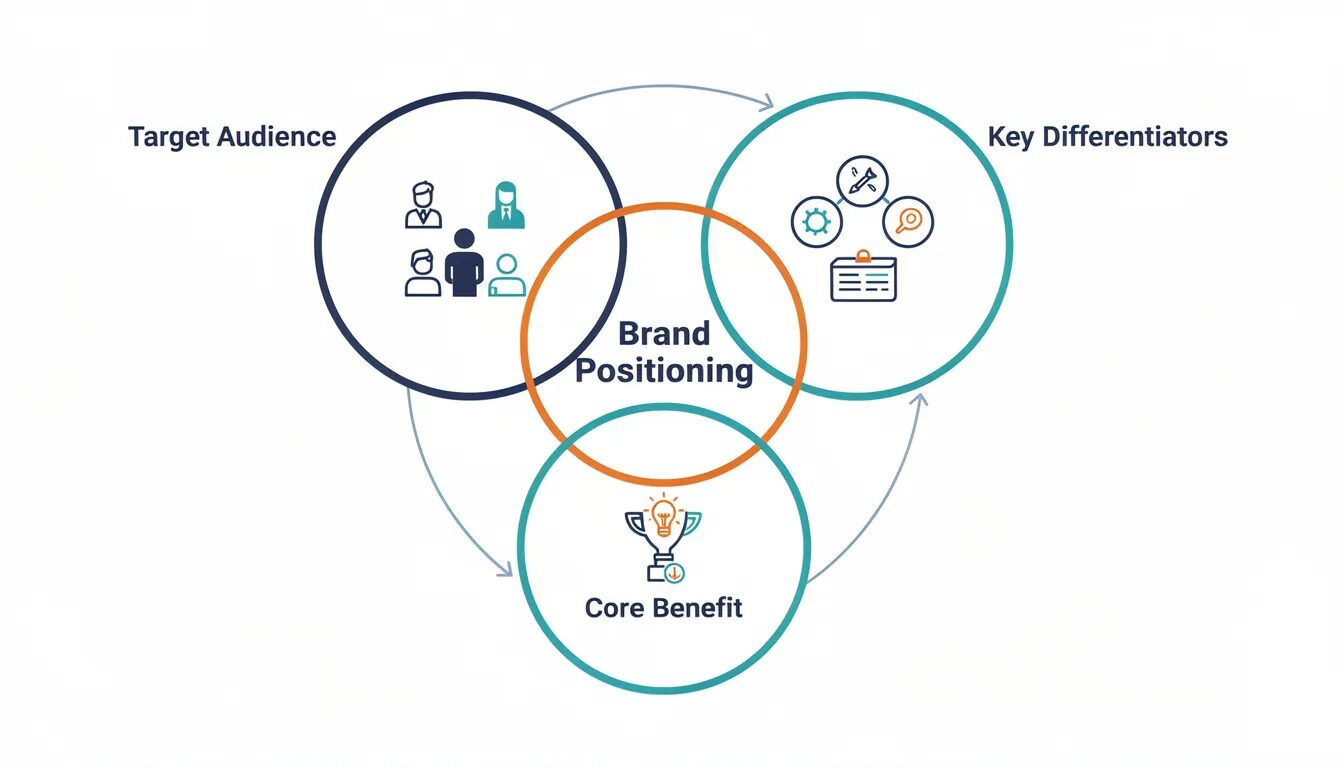
Effective positioning requires identifying 2-3 key differentiators that competitors cannot easily replicate. These differentiators should align with unmet customer needs discovered in your competitive analysis and connect to capabilities that create a genuine competitive advantage. Building a strong foundation—by establishing clear core values, objectives, and differentiation strategies—is essential for long-term brand success and recognition.
For example, Warby Parker’s commitment to affordable, stylish eyewear and social responsibility helped them become a great brand in their niche, setting them apart from traditional eyewear retailers.
Step-by-Step Positioning Framework
Step 1: Define Your Target Customer Rather than trying to appeal to everyone, focus on a specific segment where you can be the clear favorite. Use this template:
“We serve [specific customer type] who are frustrated by [current problem] and want [desired outcome] because [underlying motivation].”
Step 2: Articulate Your Core Benefit What’s the primary value you deliver that matters most to your target audience? Frame this as an outcome, not a feature:
- Instead of: “We use advanced technology”
- Try: “We help you make decisions 50% faster”
Step 3: Identify Your Differentiators What makes you different from alternatives? Strong differentiators often fall into these categories:
- Operational approach (how you deliver value)
- Product or service design (what you offer)
- Business model innovation (how customers engage and pay)
- Brand personality and values (who you are as a company)
Step 4: Test and Refine Before finalizing your positioning, test it with target customers through surveys or focus groups. Ask questions like:
- Does this message clearly communicate what we do?
- How does this compare to other options you’re considering?
- What’s most compelling about this approach?
- What concerns or questions does this raise?
Warby Parker provides an excellent positioning example. Instead of competing with traditional eyewear retailers on selection or convenience, they positioned themselves as “affordable luxury eyewear.” This positioning combined design-forward aesthetics (luxury) with direct-to-consumer pricing (affordable), creating a unique space in the market that resonated with style-conscious professionals.
Targeting Niche Audiences for Maximum Impact
Success in crowded markets often comes from dominating a smaller segment rather than trying to compete broadly. Niche targeting allows you to create deeper customer connections by engaging with your audience on a deeper level—understanding their core values and building an authentic brand foundation. This meaningful engagement goes beyond superficial marketing efforts, helping you develop specialized expertise and build stronger customer loyalty.
Effective niche targeting goes beyond basic demographics to include psychographic and behavioral characteristics. Create detailed buyer personas that capture:
Demographic Data:
- Age, income, location, job title
- Company size (for B2B)
- Life stage and family situation
Psychographic Insights:
- Values and priorities
- Lifestyle preferences
- Communication style
- Decision-making process
Behavioral Patterns:
- How they currently solve the problem
- Where they seek information
- What influences their purchasing decisions
- Their relationship with technology and innovation
Glossier’s success illustrates the power of niche targeting. In 2014, they focused specifically on millennial women interested in natural beauty and authentic self-expression. Rather than competing with major cosmetics brands on product range or celebrity endorsements, they built a community around effortless beauty and real customer stories. This focused approach helped them build intense loyalty and organic growth through word-of-mouth marketing.
Buyer Persona Development Template:
| Element | Details |
|---|---|
| Demographics | Age, location, income, job title |
| Goals | What they want to achieve |
| Challenges | Current frustrations and obstacles |
| Values | What matters most to them |
| Information Sources | Where they go for advice and research |
| Decision Factors | What influences their choices |
| Success Metrics | How they measure outcomes |
Use this template to create 2-3 detailed personas representing your core customer segments. These become your north star for all brand strategy decisions, from product development to marketing messages. Small businesses, in particular, can benefit from this approach by leveraging buyer personas to stand out in crowded markets, ensuring their branding strategies are both memorable and effective within their budget constraints.
Creating Consistent Visual and Verbal Identity
Your brand identity is how customers recognize and remember you across every interaction. Brand elements—such as your visual identity, tone of voice, and customer experience—are the components that collectively shape your company’s brand identity. In crowded markets, distinctive visual and verbal elements serve as crucial decision shortcuts, helping your target audience quickly identify your brand and recall your key messages. Maintaining brand consistency across all touchpoints builds trust and recognition, ensuring that your audience forms a cohesive perception of your brand and contributes to a strong brand image.
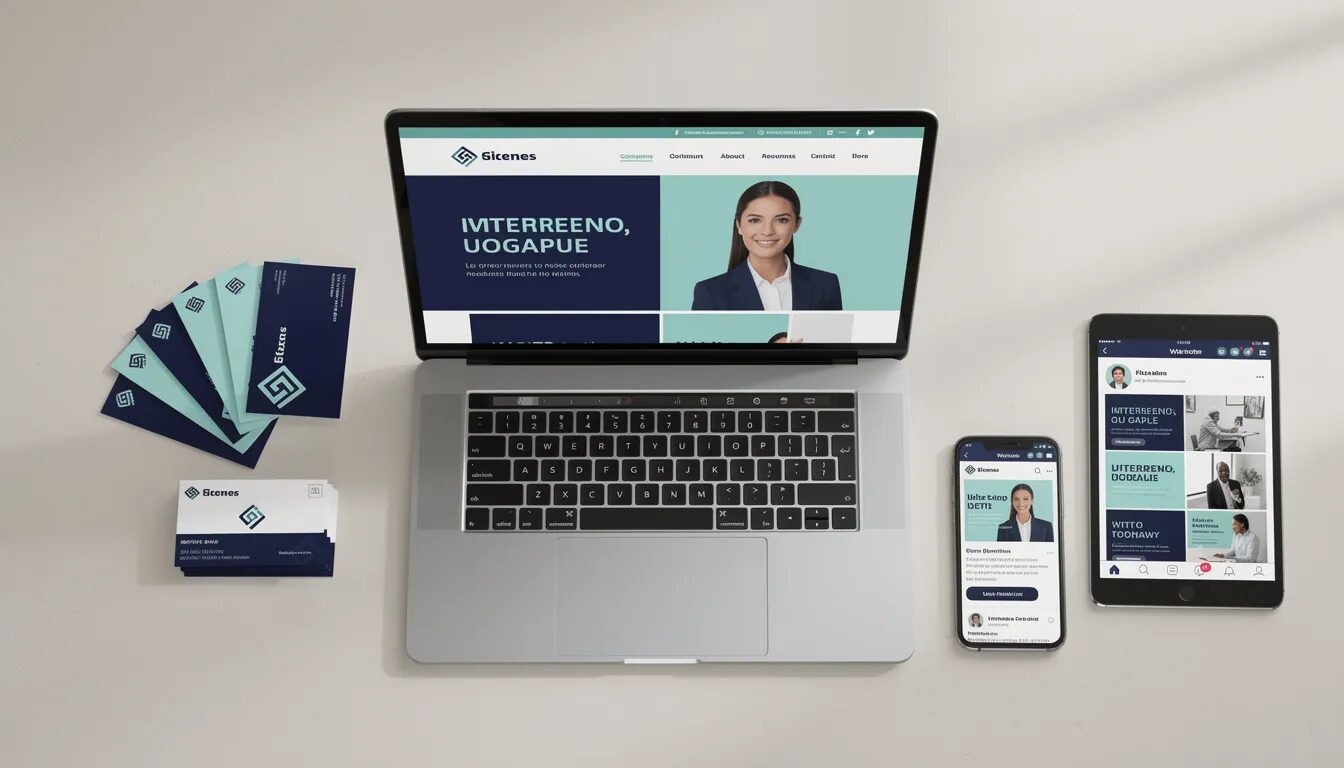
Developing a cohesive visual identity requires more than just designing a logo. You need a complete visual system—including visual elements such as logos, colors, and typography—that works consistently across all touchpoints while reinforcing your brand positioning and personality.
Visual Identity System Components
Logo and Brand Mark Your logo should be simple enough to work at small sizes but distinctive enough to stand out from competitors. Consider how it will appear across business cards, mobile apps, packaging design, and social media profiles. A well-designed business card is a key touchpoint that reinforces your brand’s visual branding and professionalism, so ensure your logo and brand elements are consistently represented on it.
Color Palette Choose 3-5 colors that reflect your brand personality and work well together. Document specific color codes (hex, RGB, CMYK) and usage rules for primary and secondary colors. Colors carry psychological associations – blue suggests trust and reliability, while orange conveys energy and creativity.
Typography System Select 2-3 fonts that complement your brand voice. Establish hierarchy rules for headlines, body text, and captions. Sans-serif fonts often feel modern and approachable, while serif fonts can convey tradition and authority.
Imagery Style Define the visual style for photography and graphics. This includes color treatment, composition style, subject matter, and tone. Authentic, unposed photography might support a down-to-earth brand, while polished, minimalist images could reinforce premium positioning.
Usage Rules and Brand Guidelines Create a comprehensive document that specifies how each element should be used, including:
- Logo placement and minimum size requirements
- Color combinations and accessibility standards
- Typography hierarchy and spacing guidelines
- Photography style and editing parameters
- Templates for common marketing materials
Mailchimp exemplifies consistent visual identity. Their quirky, approachable personality comes through in every design choice – from their friendly illustrations to their conversational copy style. Whether you’re viewing their website, opening their mobile app, or reading their emails, the experience feels distinctly “Mailchimp.”
Establishing Brand Voice and Personality
Your brand voice is how your company sounds in all written and spoken communications. It should reflect your brand’s personality while resonating with your target audience’s communication preferences and core values. A brand’s voice comes from the core values and passions of the founders, ensuring authenticity and alignment with the brand’s mission.
Brand Personality Framework Define your brand’s personality using these dimensions:
- Sincere vs. Exciting
- Competent vs. Sophisticated
- Rugged vs. Traditional
- Professional vs. Casual
- Authoritative vs. Collaborative
Voice Guidelines Document Create specific guidelines that include:
- Tone descriptors (e.g., “friendly but professional,” “confident but approachable”)
- Words and phrases to use and avoid
- Grammar and style preferences
- Example messaging for different scenarios
Key Messages Develop 3-5 core messages that communicate your positioning and value proposition. These should be:
- Easy to understand and remember
- Relevant to your target audience
- Differentiated from competitor messages
- Consistent with your brand voice
Test your voice guidelines by having different team members write sample content and checking for consistency. Your brand voice should feel natural and authentic while being distinctive enough that customers could identify your content without seeing your logo.
Brand Consistency Checklist
Use this checklist to ensure consistency across all customer touchpoints:
Digital Presence:
- [ ] Website design reflects visual identity system
- [ ] Social media profiles use consistent visuals and voice
- [ ] Email templates align with brand guidelines
- [ ] Mobile app interface matches brand aesthetic
Marketing Materials:
- [ ] All advertising follows brand guidelines
- [ ] Sales presentations use approved templates
- [ ] Trade show materials reflect brand identity
- [ ] Content marketing maintains consistent voice
Customer Interactions:
- [ ] Customer service scripts align with brand voice
- [ ] Packaging design reinforces brand experience
- [ ] Product interfaces reflect brand personality
- [ ] Physical locations (if applicable) embody brand values
Regular brand audits help maintain consistency as your business grows. Schedule quarterly reviews to ensure all new materials and touchpoints align with your brand guidelines.
Leveraging Social Proof and Community Building
Strong brands in crowded markets don’t just communicate value – they demonstrate it through customer stories, community engagement, and authentic social proof. Sharing authentic stories is essential for building trust with your audience, as it fosters emotional connections and shows your brand’s reliability. This approach transforms satisfied customers into active advocates who do marketing on your behalf.
Community Building Strategies
Create spaces where your customers can connect with each other and your brand:
- Facebook or LinkedIn groups focused on industry topics
- Regular webinars or virtual events
- User conferences or local meetups
- Online forums or discussion platforms
- Loyalty programs that reward engagement
User-Generated Content Programs Encourage customers to share their experiences:
- Photo contests showcasing product usage
- Case study partnerships highlighting customer success
- Customer testimonial videos
- Social media campaigns with branded hashtags
- Review and referral programs
Peloton built a remarkable fitness community that extends far beyond their exercise equipment. Through leaderboards, social features, live classes, and member events, they created a sense of belonging that makes their brand central to customers’ fitness identities. This community becomes a powerful retention and acquisition tool that competitors struggle to replicate.
Micro-Influencer Partnerships Rather than pursuing expensive celebrity endorsements, focus on micro-influencers (1,000-100,000 followers) in your niche who have authentic relationships with their audiences. These partnerships often deliver better engagement rates and more credible endorsements.
Look for influencers who:
- Already align with your brand values
- Have genuine engagement (not just follower count)
- Create content that fits naturally with your product
- Serve audiences that match your target customer profile
Strategic Content and Storytelling Approaches
Content marketing in crowded markets requires more than generic blog posts or social media updates. You need compelling narratives that position your brand as the trusted guide while educating your audience about problems they might not even realize they have. Delivering the right message is crucial—it reinforces your brand identity and ensures your content resonates with your target audience.
Effective brand storytelling combines authentic company narratives with educational content that demonstrates expertise and builds trust with potential customers. This dual approach helps you stand out by providing genuine value while subtly reinforcing your unique positioning. Effective storytelling connects with the audience on an emotional level, making your brand more relatable and memorable.
Developing Compelling Brand Narratives
Your brand story isn’t just your company history – it’s a strategic narrative that connects your origin, mission, and values to your customers’ aspirations and challenges. Strong brand narratives follow proven storytelling frameworks that make your message memorable and shareable.
The Hero’s Journey for Brand Storytelling:
- Ordinary World: The market situation before your solution existed
- Call to Adventure: The problem or opportunity you identified
- Challenges and Trials: Obstacles you overcame in developing your solution
- Transformation: How your approach changes outcomes for customers
- Return: The positive impact you’re creating in your industry or community
Mission-Driven Content Themes:
- Company culture and values in action
- Behind-the-scenes content showing your team and processes
- Social impact initiatives and community involvement
- Innovation stories about product development
- Customer success stories that highlight transformation
Share these stories across multiple formats – blog posts, video content, podcast interviews, and social media series. Consistency across channels reinforces your narrative while reaching customers through their preferred communication channels.
Educational Content Strategy
Position your brand as an industry expert by creating content that helps customers make better decisions, even if they don’t immediately choose your solution. This approach builds trust and keeps your brand top-of-mind throughout the customer journey. Content marketing is a powerful tool for engaging audiences and establishing your expertise, making it essential for building a strong brand presence in a crowded market.
Content Categories for Thought Leadership:
- Industry trend analysis and predictions
- Problem-solving frameworks and methodologies
- Case studies showing real customer outcomes
- Best practices guides and implementation advice
- Tool recommendations and comparison content
Content Planning Framework:
- Map content to customer journey stages (awareness, consideration, decision)
- Address common objections and concerns through educational content
- Create content clusters around important industry topics
- Develop downloadable resources that capture contact information
- Repurpose successful content across multiple formats
Educational content works particularly well for complex or high-consideration purchases where customers need to build confidence before making decisions. By providing valuable insights without requiring immediate commitment, you build relationships that often convert over longer time periods.
Storytelling Templates and Frameworks
Organize your content using proven storytelling structures that engage audiences and communicate value clearly:
Problem-Solution-Outcome Framework:
- Identify a specific customer problem
- Explain your unique solution approach
- Share measurable outcomes and customer feedback
Before-After-Bridge Structure:
- Describe the current frustrating situation
- Paint a picture of the improved future state
- Position your brand as the bridge between them
Challenge-Method-Result Template:
- Present a real customer challenge
- Explain your methodology for addressing it
- Share specific results and lessons learned
Use these templates to create consistent, compelling content that reinforces your positioning while providing genuine value to your audience.
Digital Presence Optimization
Your digital presence is often the first impression potential customers have of your brand. In crowded markets, a strong online presence can be the deciding factor between consideration and being overlooked entirely. The most powerful brands leverage digital channels to maintain influence and dominance, ensuring they remain top-of-mind for consumers.
Optimizing your digital presence goes beyond having an attractive website. You need strategic visibility across the platforms where your target audience researches solutions and makes decisions. Powerful brands achieve lasting relationships and loyalty through consistent digital engagement, setting themselves apart in even the most competitive environments.
Search Engine Optimization Strategy
Focus your SEO efforts on industry-specific keywords with lower competition rather than trying to rank for broad, highly competitive terms. This approach helps you capture customers who are looking for specialized solutions like yours.
Keyword Research for Crowded Markets:
- Long-tail keywords that include specific use cases or industries
- Problem-focused keywords that address customer pain points
- Comparison keywords when customers research alternatives
- Local keywords if you serve specific geographic markets
Content SEO Tactics:
- Create comprehensive guides on industry topics
- Develop tool pages and calculators that provide utility
- Write detailed comparison posts between different solution approaches
- Publish case studies optimized for relevant search terms
Technical SEO Priorities:
- Mobile-responsive design that works across all devices
- Fast loading speeds (under 3 seconds)
- Clear site architecture that helps search engines understand your content
- Local SEO optimization if you serve specific geographic areas
Thought Leadership Development
Establish your expertise through consistent participation in industry conversations. Thought leadership builds credibility that makes customers more likely to choose your brand when they’re ready to purchase.
Publishing Strategy:
- Guest posts on industry publications and influential blogs
- Speaking opportunities at conferences and virtual events
- Podcast interviews on shows your target audience follows
- LinkedIn articles and posts that spark professional discussions
Content Topics for Authority Building:
- Industry trend predictions based on your experience
- Contrarian viewpoints on accepted industry practices
- Frameworks and methodologies you’ve developed
- Lessons learned from customer implementations
Measurement Metrics:
- Media mentions and backlink quality
- Social shares and engagement on thought leadership content
- Speaking invitation requests
- Inbound leads attributed to thought leadership activities
Online Reputation Management
Monitor and proactively manage how your brand appears across the digital landscape. In competitive markets, negative reviews or outdated information can significantly impact customer perception.
Reputation Monitoring Tools:
- Google Alerts for brand mentions
- Social media listening platforms
- Review site monitoring (Google, Yelp, industry-specific sites)
- Competitor mention tracking
Proactive Reputation Building:
- Encourage satisfied customers to leave reviews
- Respond professionally to all feedback, positive and negative
- Address customer complaints quickly and publicly when appropriate
- Share customer success stories across multiple platforms
Crisis Response Preparation:
- Develop response templates for common issues
- Establish escalation procedures for serious problems
- Train team members on appropriate tone and messaging
- Create a rapid response protocol for social media issues

Multi-Channel Marketing Integration
Coordinate your messaging across email, social media, advertising, and public relations channels to create a cohesive customer experience. Inconsistent messaging across channels confuses customers and weakens your brand presence.
Channel-Specific Adaptations:
- Tailor content format to platform preferences (visual for Instagram, professional for LinkedIn)
- Adjust message length for channel constraints
- Use platform-specific features (hashtags, stories, live video)
- Maintain consistent brand voice across all adaptations
Cross-Channel Attribution:
- Track customer journey across multiple touchpoints
- Identify which channels work best for awareness vs. conversion
- Understand how channels influence each other
- Allocate budget based on channel performance and customer value
Casper’s 2016 expansion exemplifies effective multi-channel integration. They coordinated online content, subway advertising, physical showrooms, and social media campaigns around consistent messaging about better sleep. Each channel reinforced the others while providing touchpoints appropriate for different customer preferences and decision-making styles.
Integration Strategy Framework:
- Develop core message that works across all channels
- Create channel-specific adaptations that maintain consistency
- Plan content calendar that coordinates timing across platforms
- Track performance metrics that show cross-channel impact
- Regularly review and optimize based on attribution data
This integrated approach ensures that increased investment in one channel amplifies the effectiveness of others, creating compound returns on your marketing efforts.
Measuring Brand Performance and Adaptation
Building brand presence is a long-term investment that requires systematic measurement to ensure your strategies are working and your brand is strengthening over time. In crowded markets, small improvements in brand perception can translate into significant competitive advantages.
Effective brand measurement combines quantitative metrics with qualitative insights to provide a complete picture of brand health and market position.
Brand Awareness and Recognition Metrics
Track how well your target audience knows and remembers your brand compared to competitors:
Awareness Metrics:
- Unaided brand awareness (percentage who mention your brand without prompting)
- Aided brand awareness (percentage who recognize your brand when shown)
- Top-of-mind awareness (percentage who mention your brand first)
- Brand recall in purchase situations
Recognition Measurement:
- Logo recognition tests
- Brand attribute association
- Message recall accuracy
- Visual identity recognition across contexts
Measurement Methods:
- Quarterly brand awareness surveys
- Social media listening for organic mentions
- Search volume data for brand-related terms
- Website direct traffic as a proxy for brand strength
Customer Sentiment and Perception Tracking
Understanding how customers feel about your brand provides insight into emotional connection and loyalty potential:
Sentiment Analysis:
- Social media mention sentiment (positive/neutral/negative)
- Customer review sentiment across platforms
- Net Promoter Score (NPS) tracking over time
- Customer satisfaction scores by touchpoint
Perception Studies:
- Brand attribute ratings compared to competitors
- Purchase consideration likelihood
- Brand personality perception alignment
- Value perception relative to alternatives
Qualitative Research:
- Focus groups with target customers
- In-depth customer interviews
- Customer journey mapping sessions
- Brand association word clouds
Performance Measurement Framework
Create a comprehensive measurement system that tracks leading indicators (brand strength) and lagging indicators (business results):
| Metric Category | Leading Indicators | Lagging Indicators |
|---|---|---|
| Awareness | Brand mention volume, Search volume | Market share, New customer acquisition |
| Engagement | Social engagement rate, Content shares | Customer lifetime value, Retention rate |
| Perception | NPS score, Sentiment analysis | Price premium, Customer loyalty |
| Consideration | Website traffic, Demo requests | Conversion rate, Sales cycle length |
Key Performance Indicators (KPIs):
- Brand awareness growth rate
- Share of voice compared to competitors
- Customer acquisition cost trends
- Average deal size and profit margins
- Customer retention and expansion rates
Benchmark Establishment:
- Industry average performance metrics
- Competitor brand strength indicators
- Historical company performance
- Market leader benchmarks
Annual Brand Health Assessment
Conduct comprehensive annual reviews to identify improvement opportunities and strategic adjustments:
Assessment Components:
- Competitive landscape analysis update
- Customer perception research
- Internal stakeholder brand alignment survey
- Marketing effectiveness review
- Brand guideline compliance audit
Strategic Questions:
- Are we strengthening our position vs. competitors?
- Do customers understand and value our differentiation?
- Are all touchpoints reinforcing our brand promise?
- What perception gaps need to be addressed?
- How should we evolve our strategy for the coming year?
Use assessment findings to refine positioning, update messaging, improve customer experience, and reallocate marketing investment toward highest-impact activities.
Long-term Brand Building Strategies
Sustainable brand presence requires consistent investment in activities that build cumulative value over time. Unlike short-term marketing tactics that drive immediate results, brand building creates lasting competitive advantages that become harder for competitors to replicate. For example, Coca-Cola has maintained an iconic visual identity, emotional connection, and consistent messaging over decades, establishing itself as a cultural landmark and a trusted household name.
Customer Experience as Brand Differentiator
Every customer interaction is an opportunity to reinforce your brand values and strengthen relationships. In crowded markets, superior customer experience often becomes the primary differentiator when products and pricing are similar. Prioritizing exceptional customer experience (CX) is a key differentiator in a crowded market, as it helps brands stand out by creating memorable and positive interactions that foster loyalty and trust. Every customer interaction either strengthens or weakens a brand, making it essential to consistently deliver positive experiences.
Experience Design Principles:
- Eliminate friction points in the customer journey
- Exceed expectations at key moments of truth
- Provide proactive communication and support
- Make every interaction feel personal and valued
- Consistently deliver on your brand promise
Implementation Areas:
- Onboarding process that demonstrates immediate value
- Customer support that solves problems quickly and thoroughly
- Product interfaces that reflect your brand personality
- Follow-up communications that show ongoing care
- Problem resolution that turns frustrations into loyalty
Measurement and Optimization:
- Customer effort score tracking
- Journey mapping with satisfaction ratings
- Retention and expansion rate analysis
- Referral and review generation rates
Strategic Partnership Development
Build relationships with complementary businesses, industry influencers, and thought leaders who can enhance your brand credibility and extend your reach to new audiences.
Partnership Types:
- Technology integrations that provide customer value
- Co-marketing agreements with non-competitive brands
- Industry association participation and leadership
- Advisory board relationships with recognized experts
- Community partnerships that demonstrate shared values
Partnership Criteria:
- Brand alignment and values compatibility
- Audience overlap with your target customers
- Mutual value creation opportunities
- Reputation enhancement potential
- Long-term relationship viability
Success Metrics:
- Qualified leads generated through partnerships
- Brand awareness lift in partner audiences
- Customer acquisition cost improvements
- Market credibility enhancement
- Joint content performance and engagement
Budget Allocation and Investment Planning
Effective brand building requires dedicated budget allocation separate from performance marketing. Industry research suggests allocating 15-20% of your marketing budget to long-term brand building activities.
Brand Building Investment Categories:
| Investment Area | Budget Allocation | Expected Timeline |
|---|---|---|
| Content and Thought Leadership | 30-40% | 6-12 months |
| Brand Identity and Guidelines | 20-25% | 3-6 months |
| Community Building | 15-20% | 12-18 months |
| Partnership Development | 10-15% | 6-24 months |
| Brand Research and Measurement | 10-15% | Ongoing |
Timeline Planning:
- Months 1-3: Foundation building (positioning, identity, guidelines)
- Months 4-9: Content creation and thought leadership development
- Months 10-18: Community building and partnership development
- Months 19-24: Optimization and expansion based on results
ROI Considerations: Brand building delivers returns over longer time periods than direct marketing, but these returns compound over time. Track both immediate metrics (awareness, consideration) and long-term outcomes (customer lifetime value, market share, pricing power).
Evolution and Adaptation Strategies
Plan for brand evolution while maintaining core identity elements that customers recognize and trust. Markets change, customer needs evolve, and competitive landscapes shift – your brand strategy must be flexible enough to adapt without losing its essential character.
Evolution Guidelines:
- Core values and mission remain stable
- Visual identity can refresh while maintaining recognition
- Messaging adapts to new market conditions and customer language
- Product offerings expand within clear brand architecture
- Customer experience improves while staying true to brand personality
Adaptation Triggers:
- Significant competitive landscape changes
- Target customer needs evolution
- New market opportunities that align with brand strengths
- Technology disruptions that affect customer behavior
- Performance metrics indicating brand fatigue or confusion
Change Management Process:
- Research customer and stakeholder reactions to proposed changes
- Test new elements with small audience segments before full rollout
- Communicate changes clearly to internal teams and key customers
- Monitor performance metrics closely during transition periods
- Be prepared to adjust based on market feedback
Building a strong brand presence in a crowded market requires patience, consistency, and strategic focus. The brands that succeed are those that commit to long-term thinking while remaining agile enough to adapt to changing market conditions.
Start by thoroughly understanding your competitive landscape and identifying unique positioning opportunities. Develop a distinctive visual and verbal identity that resonates with your target audience, then consistently deliver on your brand promise across all customer touchpoints. Every strong brand starts with a clear understanding of its core values, which serve as the foundation for all strategic decisions.
Remember that brand building is a marathon, not a sprint. While immediate results matter for business survival, the most valuable brand assets develop over time through consistent delivery of superior customer experiences and authentic community engagement.
Your investment in brand presence today becomes the foundation for sustainable competitive advantage tomorrow. In markets where customers have countless options, a strong brand often makes the difference between being chosen and being forgotten.