
Acquiring a new customer costs 5-7 times more than retaining an existing one, yet most businesses still struggle with customer churn. Retaining existing customers is significantly more cost-effective than acquiring new ones, with estimates suggesting it is five times cheaper. The solution lies in understanding how personalization improves customer retention through data-driven strategies that make customers feel valued and understood. Personalization enables businesses to foster deeper connections with their customers by tailoring interactions to individual needs and preferences.
When 56% of shoppers become repeat buyers following a personalized experience, the connection between personalization and customer retention becomes impossible to ignore. Modern businesses that master personalization strategies see dramatic improvements in customer lifetime value, with retention rates climbing as high as 5x compared to generic approaches.
This comprehensive guide reveals exactly how personalization transforms one-time buyers into loyal customers, backed by real data and proven implementation strategies that you can start using today.
The Direct Impact: How Personalization Boosts Customer Retention Rates
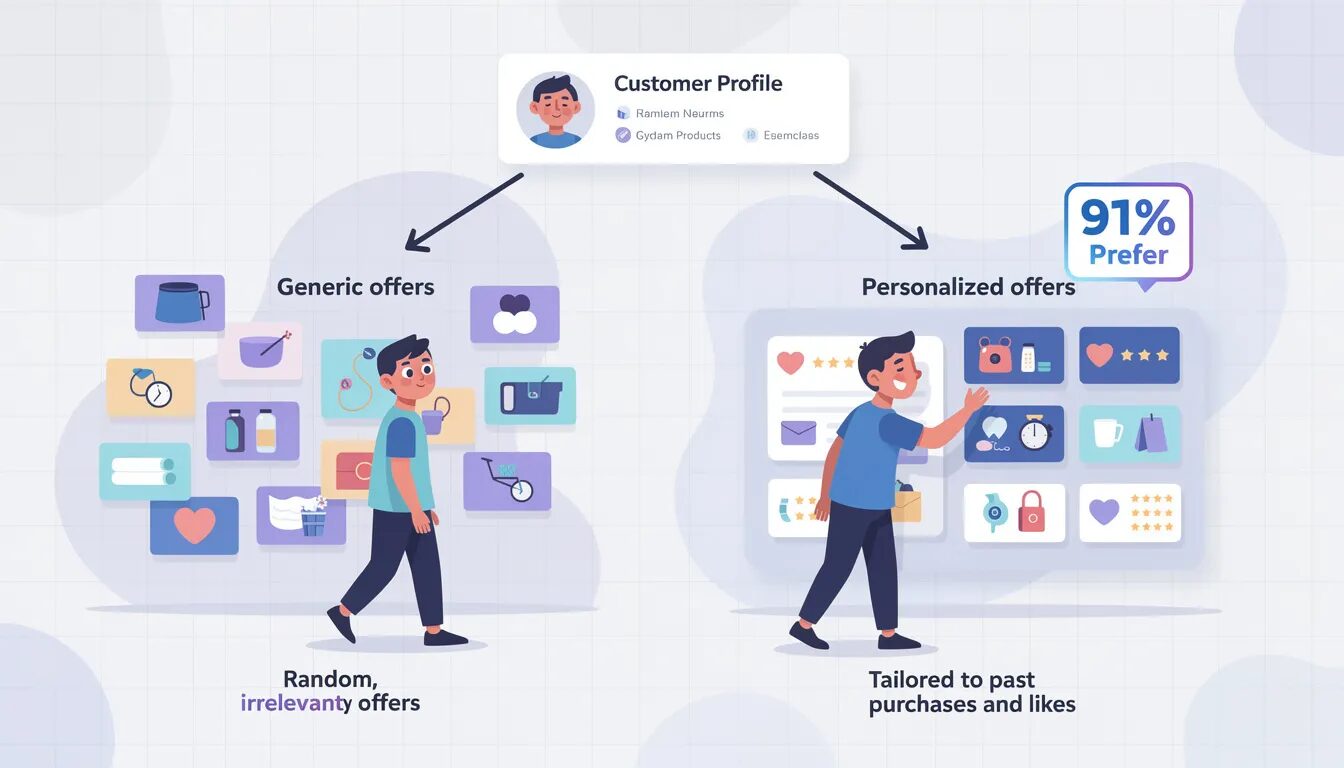
The numbers tell a compelling story about personalization’s impact on customer retention. Research consistently shows that personalized experiences create measurable improvements in customer loyalty, with 91% of consumers preferring brands that provide relevant offers and recommendations based on their preferences. Personalized experiences help engage customers by making every interaction more relevant and meaningful.
When customers feel recognized and understood, retention rates increase dramatically. Companies implementing effective personalization strategies report customer retention improvements of up to 56%, while businesses that excel at personalization see customers returning 5x more often than those receiving generic experiences. Additionally, 80% of customers prefer brands that offer personalized customer experiences, highlighting the importance of tailoring interactions to individual preferences.
The financial impact extends beyond simple repeat purchases. A modest 5% increase in customer retention rates can boost profits by 25-95%, according to research by Bain & Company. This dramatic profit increase occurs because satisfied customers not only return more frequently but also tend to spend more per transaction and refer others to the business. Improved customer satisfaction is a key driver behind these financial gains, as customers are more likely to return when their needs are consistently met.
Personalized experiences create emotional connections that drive repeat business through several mechanisms:
- Recognition and relationship building: When customers see their name, past purchases, or preferences reflected in their interactions, they feel the brand “knows” them
- Reduced decision fatigue: Personalized recommendations eliminate overwhelming choice by presenting the most relevant options first
- Increased perceived value: Tailored experiences make customers feel they’re receiving special treatment worth paying for
- Trust development: Consistent, relevant interactions build confidence in the brand’s ability to meet customer needs
These tailored experiences also enhance customer loyalty by encouraging repeat business and long-term relationships.
The data supporting these outcomes is substantial. McKinsey reports that personalization efforts typically generate 10-15% revenue lift, with company-specific improvements ranging from 5-25%. More importantly for retention, personalization leaders show measurably better customer loyalty metrics than their competitors.
These improvements compound over time. Customers who experience personalized interactions are not only more likely to make repeat purchases but also demonstrate higher customer lifetime value through increased order frequency, larger basket sizes, and reduced price sensitivity.
The Psychology Behind Personalization and Customer Loyalty
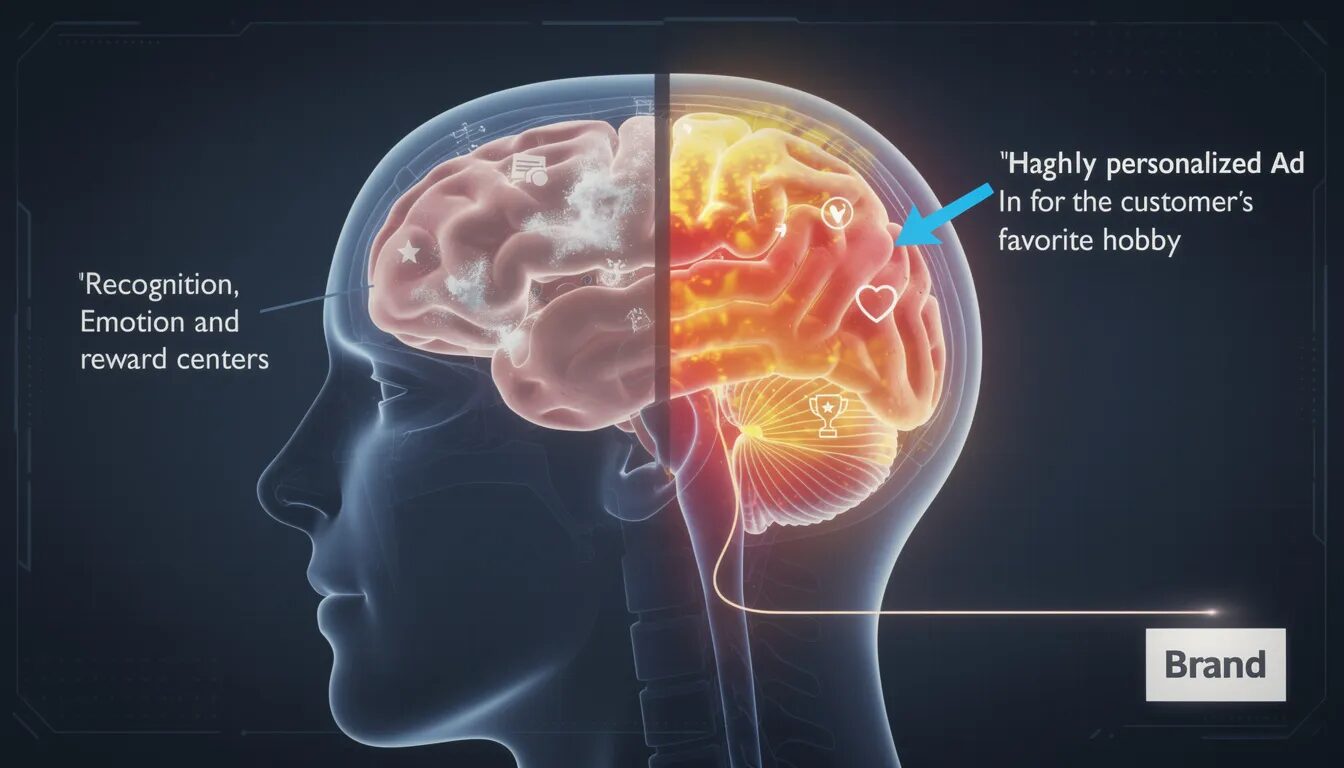
Understanding the psychological triggers that make personalization effective for customer retention requires examining how the human brain processes personalized versus generic experiences. When customers encounter personalized content, several powerful psychological principles activate simultaneously to strengthen their connection with the brand.
Recognition and the Relationship Effect
The most fundamental psychological driver behind effective personalization is recognition. When a brand remembers customer preferences, purchase history, or even simple details like a name, it mirrors real-world relationship patterns that humans are naturally drawn to. This recognition trigger makes 84% of customers value being treated as individuals rather than anonymous account numbers.
The brain processes this recognition as a form of social validation. Just as people prefer relationships where they feel known and understood, customers gravitate toward brands that demonstrate awareness of their individual needs and preferences. This psychological connection creates what researchers call “cognitive ease” – the mental comfort that comes from predictable, relevant interactions.
Relevance and Cognitive Load Reduction
Personalization dramatically reduces cognitive load by filtering choices and information to match individual customer preferences. When customers face fewer irrelevant options, their decision-making process becomes easier and more enjoyable. This reduction in mental effort creates positive associations with the brand that extend beyond any single purchase.
Research in behavioral psychology shows that choice overload – having too many options – actually decreases satisfaction and purchase likelihood. Personalized experiences solve this problem by presenting curated selections that match customer behavior patterns, making the shopping or engagement experience feel effortless rather than overwhelming.
Trust Building Through Consistent Tailored Interactions
Trust develops through repeated positive experiences, and personalization accelerates this process by demonstrating competence and care in every interaction. Providing personalized service at every touchpoint further strengthens trust and demonstrates the brand’s commitment to individual customer needs. When recommendations prove useful, when communications arrive at optimal times, and when offers match actual needs, customers begin to rely on the brand’s judgment.
This trust-building effect is particularly powerful because it creates switching costs beyond simple loyalty programs. Customers who trust a brand’s ability to understand and serve their needs become reluctant to start over with competitors who would need time to learn their preferences.
The Psychological Reward Loop
Effective personalization creates a psychological reward loop that reinforces customer engagement. When personalized recommendations lead to satisfying purchases, the brain releases dopamine – the same neurotransmitter associated with other rewarding experiences. This chemical reward encourages customers to return for similar positive experiences.
The reward loop becomes self-reinforcing: satisfied customers provide more data through continued engagement, which enables even better personalization, leading to higher satisfaction and stronger customer loyalty. This cycle explains why companies with mature personalization programs often see accelerating returns on their personalization efforts over time.
Understanding these psychological mechanisms helps explain why surface-level personalization (like inserting a name in an email) has limited impact compared to deep behavioral personalization that demonstrates genuine understanding of customer needs and preferences.
Key Personalization Strategies That Drive Retention
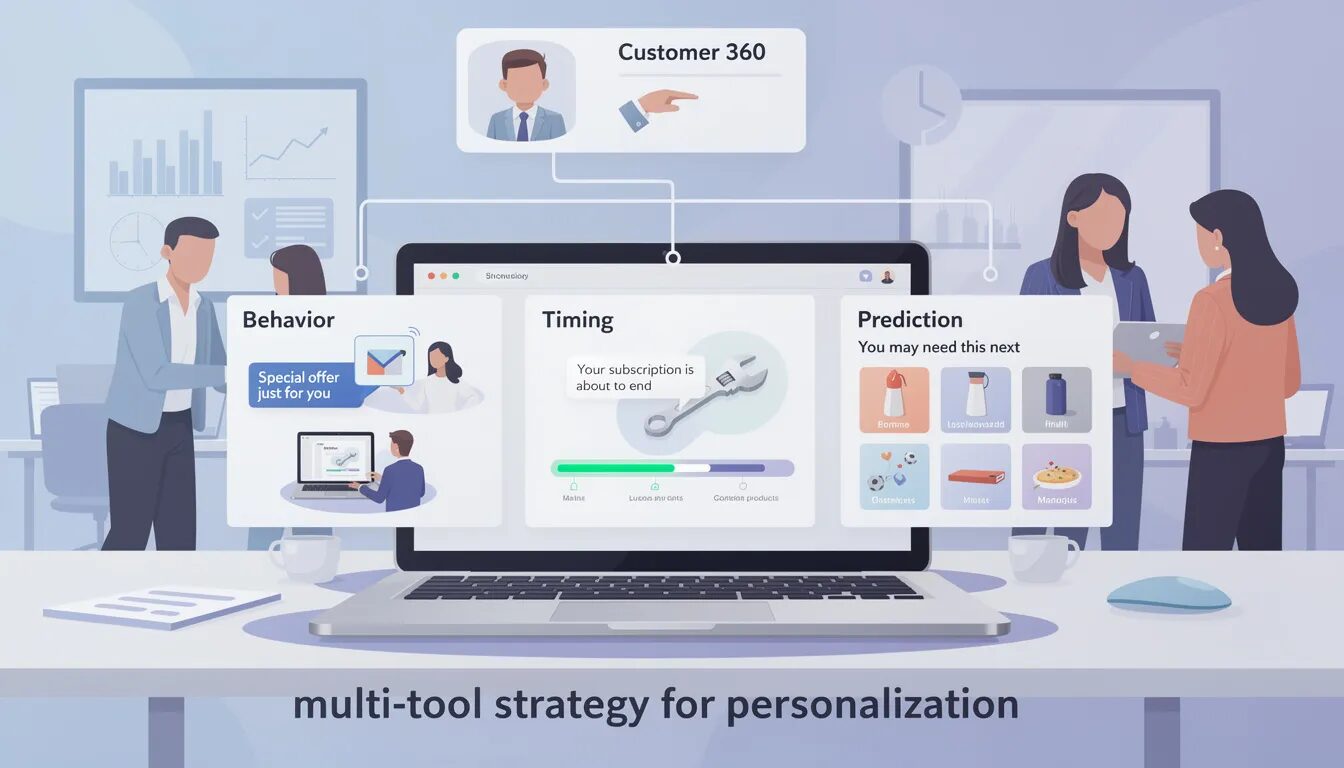
Successful customer retention through personalization requires implementing specific strategies that address different aspects of the customer relationship. The most effective approaches combine behavioral insights, lifecycle timing, and predictive capabilities to create comprehensive personalized experiences. Integrating customer insights into marketing strategies ensures that personalization efforts are both targeted and effective.
Behavioral-Based Personalization
Behavioral personalization analyzes how customers interact with your brand to predict future needs and preferences. This strategy focuses on collecting customer data from browsing patterns, purchase history, and engagement metrics to deliver personalized customer experiences that feel intuitive and relevant. Understanding customer behavior is essential for identifying patterns that inform effective personalization.
RFM Analysis for Customer Segmentation
RFM analysis examines three critical customer behavior dimensions: Recency (how recently they purchased), Frequency (how often they buy), and Monetary value (how much they spend). This framework enables businesses to identify high-value customer segments and tailor experiences accordingly. Segmenting the audience makes it easier to target specific demographics with tailored content, ensuring that marketing efforts resonate more effectively with each group.
For example, customers with high frequency and monetary scores but declining recency might be at risk of churning and could benefit from win-back campaigns with personalized incentives. Meanwhile, high-value customers with consistent recent activity might respond better to exclusive product previews or loyalty tier upgrades.
Real-World Implementation Examples
Amazon’s recommendation engine exemplifies behavioral personalization at scale. By analyzing “customers who bought this also bought” patterns alongside individual browsing behavior, Amazon generates approximately 35% of its sales through personalized suggestions. This approach allows Amazon to tailor suggestions to user preferences, increasing the likelihood of engagement and sales. This approach works because it combines collective intelligence with individual customer preferences.
Netflix takes behavioral personalization further by analyzing viewing completion rates, pause points, and even the time of day users watch different content types. This deep behavioral understanding enables Netflix to create personalized content rows that keep 80% of viewer engagement focused on recommended content, significantly reducing churn.
Behavioral Triggers for Churn Prevention
Advanced behavioral personalization identifies early warning signs of customer disengagement. Analyzing customer behavior patterns like declining login frequency, reduced time spent on site, or changes in purchase patterns enables proactive retention interventions.
These behavioral triggers can automatically prompt personalized communications designed to re-engage at-risk customers. For instance, a subscription service might detect decreased usage and send personalized content recommendations along with a discount offer, addressing both engagement and price sensitivity concerns simultaneously.
Lifecycle Stage Personalization
Customer lifecycle personalization recognizes that customer needs evolve over time, requiring different approaches for onboarding, growth, maturity, and retention phases. This strategy ensures that personalized interactions remain relevant as the customer relationship develops. Defining desired outcomes for each lifecycle stage helps guide the selection of personalization tactics and ensures alignment with business goals.
Onboarding and Early Engagement
New customer onboarding represents a critical retention opportunity. Personalized onboarding sequences that adapt to customer preferences, goals, or industry vertical can dramatically improve activation rates and long-term customer satisfaction. Effective onboarding personalization reduces time-to-value by highlighting features most relevant to each customer’s specific use case.
Software companies often use progressive profiling during onboarding to gather customer information gradually, then use this data to personalize the entire customer journey. This approach feels less intrusive than lengthy signup forms while enabling immediate personalization of the user experience.
Growth Phase Optimization
During the growth phase, personalization focuses on encouraging deeper product adoption and increased usage. This might involve personalized feature recommendations based on customer behavior, targeted upselling that aligns with demonstrated needs, or educational content that helps customers maximize value from their current subscription.
Spotify’s approach to growth-phase personalization demonstrates this strategy effectively. Their algorithm analyzes listening patterns to create personalized playlists like “Discover Weekly” that introduce users to new music aligned with their tastes. This personalized content discovery keeps users engaged during the critical growth phase and builds habits that improve long-term retention.
Milestone Recognition and Rewards
Lifecycle personalization includes recognizing and celebrating customer milestones. Starbucks’ rewards program exemplifies this approach by sending personalized offers on customer anniversaries, celebrating purchase milestones with bonus rewards, and creating seasonal challenges based on individual buying patterns.
These milestone celebrations work because they acknowledge the customer relationship’s progression while providing tangible value. The personalization makes standard loyalty program elements feel more meaningful and strengthens emotional connections with the brand.
Win-Back Campaign Personalization
For customers showing signs of disengagement, personalized win-back campaigns can effectively prevent churn by addressing specific reasons for declining engagement. Rather than generic discounts, effective win-back personalization might offer new product categories based on past interests, exclusive access to features the customer hasn’t tried, or even personalized customer service outreach.
The key to successful win-back personalization is demonstrating that the brand still understands and values the customer relationship, even during periods of reduced activity.
Predictive Personalization
Predictive personalization uses AI and machine learning algorithms to anticipate customer needs before they’re explicitly expressed. This advanced approach to customer retention focuses on proactive rather than reactive personalization strategies. Utilizing AI and machine learning helps businesses deliver highly tailored content, significantly enhancing user engagement and retention.
Churn Prediction and Prevention
Machine learning models can identify patterns that precede customer churn, often detecting at-risk customers weeks or months before they actually leave. These models analyze hundreds of variables including usage patterns, customer service interactions, billing history, and engagement metrics to calculate churn probability for each customer.
Once at-risk customers are identified, automated systems can trigger personalized retention campaigns designed to address the specific risk factors the model identified. This might include personalized discounts for price-sensitive customers, feature tutorials for those struggling with product adoption, or priority customer service for those experiencing support issues.
Proactive Recommendation Systems
Advanced recommendation engines go beyond “customers who bought this” to predict what customers will want before they start looking. These systems analyze seasonal patterns, life events, and consumption cycles to suggest products at optimal moments.
For example, a baby products retailer might use predictive analytics to recommend toddler items to customers whose purchase history suggests their baby is approaching the appropriate age, or a streaming service might recommend holiday content before customers start searching for it. Predictive analytics enables businesses to deliver a personalized shopping experience by anticipating customer needs and presenting relevant products at the right time.
Real-Time Behavioral Adaptation
The most sophisticated predictive personalization adapts in real-time as customer behavior changes within a session. This might involve adjusting product recommendations based on current browsing patterns, modifying email send times based on recent engagement data, or personalizing website content based on referral source and current session behavior.
Real-time personalization can increase engagement by 30-40% compared to static personalization because it responds to immediate customer intent rather than relying solely on historical data.
Predictive Customer Lifetime Value Optimization
Predictive models can estimate individual customer lifetime value and adjust personalization strategies accordingly. High-value customers might receive white-glove onboarding and priority support, while price-sensitive customers might see more discount-focused communications.
This approach ensures that personalization efforts align with business objectives by investing more heavily in retaining customers with the highest predicted long-term value.
Measuring Personalization’s Impact on Retention
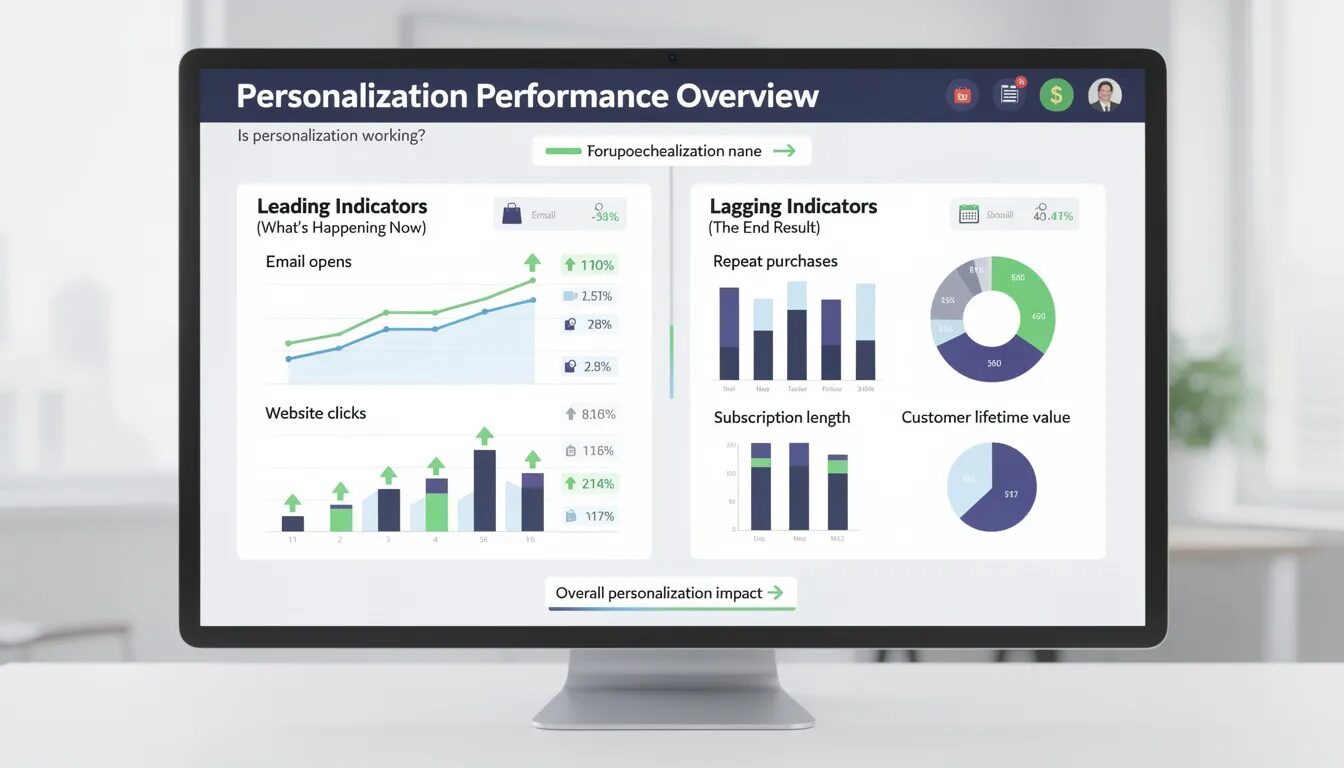
Accurately measuring how personalization improves customer retention requires tracking specific metrics that connect personalization efforts to retention outcomes. Successful measurement strategies focus on both leading indicators of engagement and lagging indicators of actual retention behavior.
Core Retention Metrics
Customer retention rate serves as the primary metric for measuring personalization success. Calculate this by dividing the number of customers active at the end of a period by those active at the beginning, excluding new acquisitions. Effective personalization strategies typically improve retention rates by 15-25% within six months of implementation. One of the key benefits of personalization is its measurable impact on both retention and revenue growth.
Repeat purchase rate provides another crucial measurement, particularly for ecommerce businesses. This metric tracks the percentage of customers who make multiple purchases within a defined timeframe. Businesses implementing behavioral personalization often see repeat purchase rates improve by 30-50% as customers find more relevant products through personalized recommendations.
Customer lifetime value represents the ultimate measure of retention success. Since personalization aims to extend customer relationships and increase purchase frequency, CLV improvements indicate successful retention strategies. Companies with mature personalization programs report CLV increases of 10-15% annually as improved retention compounds over time.
Engagement Metrics as Leading Indicators
Email engagement provides easily measurable indicators of personalization effectiveness. Personalized emails achieve 22% higher open rates and 41% higher click-through rates compared to generic messages. These engagement improvements often predict retention improvements that become apparent in subsequent months.
Website and app engagement metrics like session duration, pages per visit, and feature adoption rates indicate whether personalized experiences are creating deeper customer relationships. Customers who engage more deeply with personalized content typically show higher retention rates 3-6 months later.
Customer satisfaction scores and Net Promoter Score (NPS) provide qualitative measures of personalization impact. Satisfied customers who feel understood and valued are significantly more likely to remain loyal, making these scores valuable predictors of future retention performance.
Advanced Analytics and Attribution
Cohort analysis reveals how personalization affects retention over time by comparing customer groups based on their first experience date. This analysis can isolate the impact of personalization improvements by comparing retention curves for cohorts before and after personalization implementation.
For example, a company might compare 6-month retention rates for customers acquired before implementing personalized onboarding versus those who experienced the new personalized process. Meaningful improvements in later cohorts indicate successful personalization impact.
A/B testing enables precise measurement of specific personalization tactics. Test groups might receive different levels of personalization (basic segmentation versus advanced behavioral targeting) while control groups receive generic experiences. Testing strategies such as A/B testing helps businesses identify what resonates with customers, allowing them to refine their personalization efforts for maximum impact.
A/B testing enables precise measurement of specific personalization tactics. Test groups might receive different levels of personalization (basic segmentation versus advanced behavioral targeting) while control groups receive generic experiences.
Effective testing frameworks measure not just immediate conversion impacts but also retention outcomes over 90-180 day periods. This longer measurement window captures the true retention impact of personalized experiences rather than just short-term engagement boosts.
Attribution Modeling for Multi-Touch Personalization
Advanced attribution models help identify which personalization touchpoints contribute most to retention outcomes. Since customers typically experience multiple personalized interactions before making loyalty decisions, understanding the relative impact of different personalization strategies enables optimization of resource allocation.
For instance, attribution analysis might reveal that personalized email content has less retention impact than personalized website experiences, leading to reallocation of personalization efforts toward higher-impact channels.
Benchmark Setting and Competitive Analysis
Industry benchmarks provide context for personalization performance. Ecommerce businesses should expect personalized product recommendations to drive 25-35% of revenue, while SaaS companies should see personalized onboarding improve activation rates by 20-30%.
Regular competitive analysis helps maintain perspective on personalization effectiveness. As personalization becomes more common, customer expectations rise, requiring continuous improvement to maintain competitive retention advantages.
Implementation Best Practices for Retention-Focused Personalization
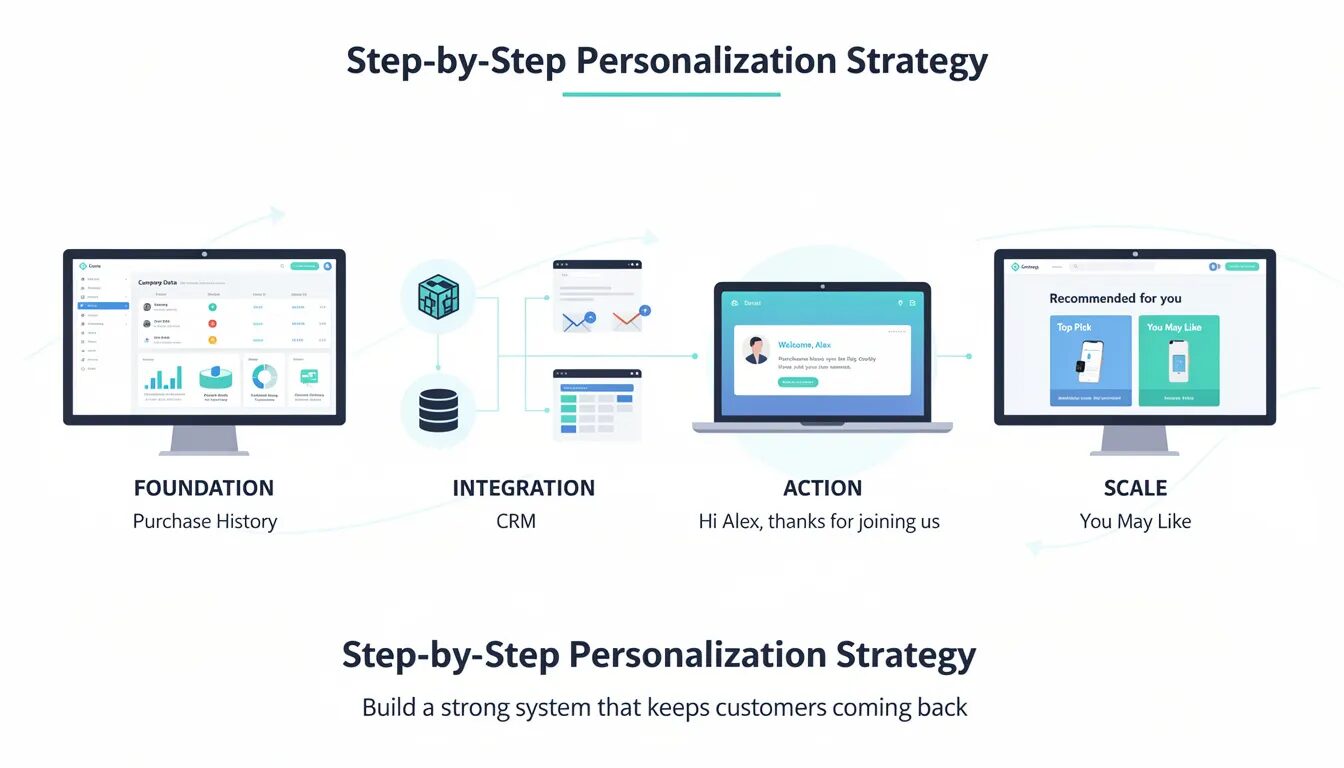
Successfully implementing personalization strategies that enhance customer retention requires careful attention to data collection, technology integration, and content strategy. The most effective implementations start with solid foundations and scale systematically based on measured results. Businesses aiming to retain customers must prioritize personalization strategies that address individual needs and preferences at every touchpoint.
Data Collection and Management
Building effective personalization requires comprehensive customer data that enables accurate understanding of individual preferences and behaviors. The foundation starts with first-party data collection through website interactions, purchase history, customer surveys, and engagement tracking across all customer touchpoints.
Unified Customer Profiles
Creating unified customer profiles involves integrating data from multiple sources to build complete pictures of individual customer relationships. This integration typically includes transaction data from e-commerce platforms, behavioral data from website analytics, engagement data from email marketing systems, and interaction data from customer service platforms. Implementing a unified data ecosystem ensures that data flows seamlessly across touchpoints, enabling a 360-degree view of customer interactions. This comprehensive data integration allows businesses to accurately identify and segment their target audience, making personalization efforts more effective.
Customer Data Platforms (CDPs) serve as central repositories that combine these disparate data sources into single customer views. Effective CDPs enable real-time profile updates as customers interact with different touchpoints, ensuring personalization decisions always use the most current customer information.
Data Quality and Governance
High-quality personalization depends on accurate, complete customer data. Regular data auditing processes should identify and correct issues like duplicate customer records, outdated contact information, or inconsistent categorization across systems. Poor data quality can undermine personalization efforts by creating irrelevant or confusing customer experiences.
Data governance policies ensure consistent data collection and usage across organizations. These policies should address data retention periods, privacy compliance requirements, and access controls while enabling the data usage necessary for effective personalization.
Progressive Profiling Strategies
Rather than overwhelming customers with lengthy data collection forms, progressive profiling gradually builds customer profiles through ongoing interactions. This approach feels less intrusive while enabling immediate personalization based on available data.
For example, an e-commerce site might collect basic demographic information during account creation, then gather preference data through browsing behavior analysis and occasional preference surveys. This progressive approach builds comprehensive profiles without creating friction in the customer experience.
Technology Stack and Integration
Effective personalization requires integrated technology stacks that enable real-time data processing, content delivery, and performance measurement. The complexity of required technology varies significantly based on business size and personalization sophistication goals.
Essential Personalization Tools
Personalization engines serve as the central technology that processes customer data and determines what content, products, or experiences to present to each individual. Modern personalization platforms use machine learning algorithms to continuously improve recommendation accuracy based on customer response patterns.
Email marketing platforms with personalization capabilities enable automated, behavioral-triggered campaigns that adapt content based on customer data. These platforms should integrate seamlessly with customer databases and e-commerce systems to ensure personalized emails reflect current customer status and preferences.
Analytics software provides the measurement capabilities necessary to track personalization performance and optimize strategies over time. Advanced analytics platforms can attribute retention improvements to specific personalization tactics, enabling data-driven optimization decisions.
API Integration and Real-Time Capabilities
Modern personalization requires real-time data synchronization between marketing tools, ecommerce platforms, and customer service systems. API integrations enable automatic data sharing that keeps all systems updated as customer information changes. Advanced technologies like AI and machine learning enable scalable personalization, delivering dynamic, real-time customer experiences.
Real-time personalization capabilities allow immediate adaptation to customer behavior during active sessions. For example, a customer browsing specific product categories might immediately see personalized recommendations in email campaigns or retargeting advertisements. Seamless technology integration is essential for enhancing customer retention by ensuring every interaction is timely and relevant.
Budget and ROI Considerations
Technology costs for personalization vary dramatically based on implementation complexity and business scale. Small businesses might start with basic email personalization and simple recommendation widgets, requiring monthly investments of $100-500. Enterprise implementations with advanced machine learning and real-time personalization can require $10,000-50,000+ monthly technology investments. Personalization strategies improve ROI and operational efficiency by targeting efforts where they create the most impact.
ROI timelines typically show initial improvements within 3-6 months of implementation, with full ROI realized within 12-18 months for comprehensive personalization strategies. The key is starting with high-impact, lower-cost implementations and scaling based on proven results.
Content Strategy and Segmentation
Effective personalization content strategies balance scalability with relevance by creating frameworks that enable mass customization without requiring individual content creation for every customer.
Dynamic Content Creation
Dynamic content systems create personalized experiences by combining templated content structures with customer-specific data insertion. This approach enables scalable personalization without requiring unique content creation for every customer segment or individual. Dynamic content tailored to individual preferences plays a key role in enhancing satisfaction by making each interaction more relevant and engaging.
For example, an email template might include dynamic product recommendations, personalized subject lines, and customized calls-to-action while maintaining consistent brand messaging and design. This balance enables personalization at scale while controlling content creation costs.
Behavioral Segmentation Frameworks
Rather than relying solely on demographic segmentation, retention-focused personalization uses behavioral segmentation based on customer actions, preferences, and engagement patterns. Common behavioral segments include product category preferences, price sensitivity levels, communication frequency preferences, and purchase timing patterns.
Advanced segmentation combines multiple behavioral signals to create highly specific micro-segments. For instance, “frequent buyers of premium products who engage with educational content” represents a segment that might respond well to early access offers for new premium products along with detailed product information.
Timing and Channel Optimization
Personalized communications must consider not just content relevance but also optimal timing and preferred communication channels for each customer. Analyzing customer data reveals individual preferences for email versus SMS, preferred days and times for communications, and sensitivity to communication frequency.
Customer journey mapping helps identify optimal moments for different types of personalized outreach. For example, post-purchase education content might work best 3-5 days after delivery, while replenishment reminders should align with typical consumption cycles for specific products.
Testing Frameworks for Message Optimization
Systematic testing frameworks enable continuous improvement of personalized messaging effectiveness. This includes testing different personalization variables (subject lines, product recommendations, timing) as well as the level of personalization (segment-based versus individual-based recommendations).
Effective testing considers both immediate response metrics (open rates, click-through rates) and longer-term retention impacts. Some personalization approaches might generate higher immediate engagement but lower long-term satisfaction, making comprehensive measurement essential for optimization.
Real-World Success Stories and Case Studies
Examining specific examples of how major brands have successfully implemented personalization to improve customer retention provides practical insights into effective strategies and quantifiable outcomes that businesses can adapt for their own retention initiatives.
Starbucks: Mobile App Personalization Revolution
Starbucks transformed its customer retention through the Starbucks Rewards mobile app, which uses purchase history, location data, and preference tracking to create highly personalized experiences. The app analyzes individual customer behaviors like favorite drinks, preferred visit times, and seasonal preferences to deliver targeted offers and recommendations.
The retention impact has been remarkable. Since implementing comprehensive personalization, Starbucks has seen customer visit frequency increase by 25% among rewards members. The app’s personalized challenges – like “earn bonus stars for trying a new seasonal drink” – are tailored to individual customers based on their purchase patterns and adventurousness levels.
Most importantly for retention, the app creates switching costs through personalized convenience. Customers can reorder their favorite drinks with one tap, receive personalized payment methods, and get location-specific recommendations. This personalized convenience has resulted in rewards members spending 2.5x more annually than non-members, demonstrating how personalization drives both retention and customer lifetime value.
The financial impact extends beyond individual purchases. Starbucks’ personalized mobile experience has increased their customer retention rates by over 30% compared to non-app users, while the average customer lifetime of app users is 3x longer than traditional customers.
Netflix: Algorithmic Content Personalization
Netflix’s recommendation algorithm represents one of the most sophisticated examples of personalization for retention. The platform analyzes viewing completion rates, pause points, browsing behavior, time-of-day viewing patterns, and even device usage to create personalized content rows for each subscriber.
The retention results speak for themselves: Netflix’s personalized recommendations drive 80% of viewer engagement, meaning the vast majority of content consumption comes from algorithmically personalized suggestions rather than browsing or search. This high engagement rate directly correlates with lower churn rates, as subscribers consistently find content that matches their preferences.
Netflix takes personalization beyond simple recommendations by creating personalized artwork for the same content. Different users might see different thumbnails for the same movie based on their viewing preferences – action fans might see an action-focused image while romance viewers see relationship-focused artwork. This visual personalization increases click-through rates by 20-30% on recommended content.
The retention impact is substantial. Netflix’s sophisticated personalization keeps customer churn rates significantly lower than competitors, with their annual churn rate of approximately 2.5% compared to industry averages of 5-6% for streaming services.
Sephora: Omnichannel Beauty Personalization
Sephora’s Beauty Insider program demonstrates how personalization can work across multiple channels to enhance customer retention. The program integrates purchase history from stores and online, product preferences from quizzes and reviews, and behavioral data from app usage to create comprehensive customer profiles.
These profiles enable highly personalized product recommendations both online and in-store. When customers visit Sephora stores, associates can access their purchase history and preferences to provide personalized consultations. Online, the same data powers personalized product recommendations and customized educational content.
The retention results have been impressive. Sephora’s personalized emails achieve 50% higher open rates than generic beauty industry emails, while personalized product recommendations drive 35% of their online revenue. More importantly for retention, Beauty Insider members have customer lifetime values 15x higher than non-members.
Sephora’s personalization extends to experiential elements like personalized birthday gifts, early access to new products based on brand preferences, and customized tutorials based on purchased products. These personalized experiences create emotional connections that significantly improve customer loyalty and retention.
Amazon: The Personalization Pioneer
Amazon’s recommendation engine remains the gold standard for e-commerce personalization, generating approximately 35% of total sales through personalized product suggestions. The system analyzes purchase history, browsing patterns, cart additions, wishlist items, and even page scroll behavior to predict customer interests.
Beyond product recommendations, Amazon personalizes the entire shopping experience. This includes personalized search results, customized homepage layouts, personalized email campaigns, and even personalized pricing and shipping options based on Prime membership and location data.
The retention impact of Amazon’s personalization is evident in their customer lifetime values and repeat purchase rates. Amazon Prime members, who receive the most personalized experiences, have annual retention rates exceeding 95% and spend significantly more than non-Prime customers throughout their customer lifetime.
Amazon’s personalization success demonstrates how comprehensive customer data collection and sophisticated machine learning can create competitive moats that make customer switching extremely difficult.
Small Business Success: Local Retailer Email Personalization
A boutique clothing retailer with three locations implemented personalized email marketing that segmented customers by purchase history, style preferences, and shopping frequency. Using basic e-commerce data and email marketing automation, they created personalized campaigns for different customer segments.
Their implementation included personalized product recommendations based on past purchases, birthday discounts using customer profile data, and seasonal outfit suggestions based on previous buying patterns. They also implemented win-back campaigns for customers who hadn’t purchased in 90 days, with personalized offers based on their favorite brands or categories.
The results exceeded expectations: email open rates increased by 40%, click-through rates improved by 65%, and most importantly, repeat purchases increased by 35% within six months of implementation. Customer retention rates improved from 40% to 58% year-over-year, demonstrating that even simple personalization can dramatically impact small business retention.
The total investment was under $500 monthly for email marketing software and setup, generating additional revenue of $15,000+ monthly through improved retention and repeat purchases. This 30:1 ROI demonstrates how personalization can be accessible and effective for businesses of all sizes.
These case studies illustrate that successful personalization for retention requires understanding customer data, implementing appropriate technology solutions, and continuously optimizing based on results. The specific tactics vary by industry and business model, but the core principle remains consistent: customers stay loyal to brands that demonstrate understanding of their individual needs and preferences.
Common Challenges and Solutions
Implementing personalization to improve customer retention involves navigating several significant challenges that can undermine success if not properly addressed. Understanding these common obstacles and their solutions enables more effective personalization strategies.
Data Privacy and Compliance Concerns
The increasing focus on data privacy through regulations like GDPR and CCPA creates challenges for businesses trying to collect customer data necessary for effective personalization. Customers are simultaneously demanding more personalized experiences while becoming more concerned about how their personal information is collected and used.
The solution lies in transparent, value-exchange approaches to data collection. Clearly communicate how customer data will be used to improve their experience, provide tangible benefits in exchange for data sharing, and give customers control over their data usage preferences. Implement preference centers where customers can specify what types of personalization they want to receive and through which channels.
Building trust through data usage requires demonstrating immediate value from data sharing. For example, when customers complete preference surveys, show them immediately how this information will improve their experience through better product recommendations or more relevant communications.
Integration Challenges and Data Silos
Many businesses struggle with fragmented customer data across multiple systems – CRM platforms, email marketing tools, e-commerce systems, and customer service platforms often contain different pieces of customer information that don’t integrate effectively. This fragmentation prevents comprehensive customer views necessary for effective personalization.
Address integration challenges by starting with high-impact, low-complexity connections between systems. Begin by integrating your email marketing platform with your e-commerce system to enable purchase-based email personalization. Gradually expand integrations based on demonstrated ROI from initial improvements.
Customer Data Platforms (CDPs) provide comprehensive solutions for larger businesses, but smaller organizations can achieve significant personalization improvements through careful API integrations between existing systems. Focus on connecting systems that contain the most valuable customer data first.
Avoiding Over-Personalization and the “Creepy” Factor
Overly aggressive personalization can backfire by making customers feel uncomfortable or monitored. This “creepiness” factor typically occurs when personalization references information customers don’t remember sharing or when recommendations feel invasive rather than helpful.
The solution involves balancing personalization with privacy expectations. Use personalization that customers would naturally expect based on their interactions with your brand. For example, referencing recent purchases in follow-up emails feels natural, while referencing browsing behavior from weeks ago might feel intrusive.
Provide transparency about personalization by allowing customers to see why they received specific recommendations. Phrases like “because you purchased [specific item]” or “based on your stated preferences” help customers understand the logic behind personalization, reducing discomfort.
Resource Constraints for Small Businesses
Small businesses often assume that effective personalization requires expensive technology and dedicated teams. This misconception prevents many smaller organizations from implementing personalization strategies that could significantly improve their customer retention.
Start with simple, high-impact personalization tactics that require minimal technology investment. Personalized email subject lines, basic behavioral segmentation, and purchase-based product recommendations can be implemented with standard email marketing platforms and basic e-commerce integrations.
Focus on collecting customer data that enables immediate personalization improvements. Simple customer surveys, purchase history analysis, and email engagement tracking provide sufficient data for meaningful personalization without complex technology requirements.
Maintaining Personalization Quality at Scale
As customer bases grow, maintaining the quality and relevance of personalized experiences becomes increasingly difficult. Manual approaches that work for hundreds of customers become impossible with thousands or millions of customers.
Implement scalable personalization frameworks that combine automation with human oversight. Use machine learning algorithms for initial personalization decisions, but include human review processes for high-value customers or complex personalization scenarios.
Create content templates and dynamic insertion systems that enable personalization at scale without requiring individual content creation for every customer. Focus on personalizing the most impactful elements (product recommendations, offers, messaging tone) while standardizing less critical components.
Balancing Automation with Human Touch
Over-reliance on automated personalization can create experiences that feel robotic and impersonal, undermining the relationship-building goals of retention-focused personalization. Customers still value human interaction, especially during problem-solving or complex purchase decisions.
Design personalization systems that enhance rather than replace human interactions. Use customer data to better prepare human representatives for individual customer interactions, provide personalized talking points for sales calls, and enable customer service representatives to access comprehensive customer histories.
Identify scenarios where human personalization adds more value than automated approaches. High-value customers, complex purchase decisions, and problem resolution situations often benefit from human-delivered personalized experiences supported by automated data insights.
Measuring Long-Term Impact Versus Short-Term Metrics
Many businesses focus on immediate personalization metrics like click-through rates or conversion rates without measuring the long-term retention impact. This short-term focus can lead to personalization strategies that boost immediate engagement but harm long-term customer satisfaction.
Implement measurement frameworks that track both immediate engagement and long-term retention outcomes. Use cohort analysis to compare retention rates before and after personalization implementation, and track customer lifetime value changes over 6-12 month periods.
Balance optimization for immediate metrics with longer-term relationship building. Some personalization tactics might generate lower immediate engagement but create stronger customer relationships that improve retention over time.
The key to overcoming these challenges lies in starting with simple, high-impact personalization tactics and systematically addressing obstacles as they arise. Most successful personalization implementations begin with basic strategies and evolve into more sophisticated approaches as businesses learn what works for their specific customers and constraints.
By understanding these common challenges and their solutions, businesses can implement personalization strategies that genuinely improve customer retention while avoiding the pitfalls that derail many personalization initiatives. The goal is creating personalized experiences that feel natural, valuable, and respectful of customer preferences and privacy expectations.
Understanding how personalization improves customer retention provides a clear competitive advantage in today’s experience-driven marketplace. The data consistently shows that businesses implementing thoughtful personalization strategies see measurable improvements in customer loyalty, with retention rates increasing by 15-56% and customer lifetime values growing substantially over time.
The most successful approaches combine behavioral insights with lifecycle timing and predictive capabilities to create experiences that feel intuitive rather than intrusive. Whether you’re starting with basic email personalization or implementing sophisticated machine learning algorithms, the key lies in focusing on genuine customer value while respecting privacy expectations.
Start by identifying your highest-impact personalization opportunities – often simple tactics like behavioral email segmentation or purchase-based recommendations – and measure both immediate engagement and long-term retention outcomes. As you demonstrate ROI from initial efforts, you can expand into more sophisticated personalization strategies that create deeper customer relationships and stronger competitive moats.
The businesses that master personalization today will build customer relationships that become increasingly difficult for competitors to displace, turning customer retention from a challenge into a sustainable competitive advantage.
Introduction to Customer Retention
Customer retention is the backbone of sustainable business growth, directly influencing both profitability and long-term success. Retaining existing customers is far more cost-effective than acquiring new ones, with research showing that increasing customer retention by just 5% can boost profits by 25-95%. This dramatic impact is driven by the fact that loyal customers tend to make more frequent purchases, spend more per transaction, and are more likely to recommend your brand to others.
Personalization is at the heart of effective customer retention. By leveraging customer data, businesses can implement personalization strategies that deliver tailored experiences aligned with individual customer needs and preferences. These tailored experiences not only enhance customer satisfaction but also foster deeper emotional connections, making customers more likely to stay loyal over time. As a result, companies that prioritize personalization see significant improvements in customer retention, satisfaction, and revenue growth. Effective personalization strategies transform one-time buyers into lifelong advocates, ensuring that every interaction feels relevant and valuable.
Customer Lifetime Value: The Metric That Matters
Customer Lifetime Value (CLV) is a pivotal metric for any business aiming to maximize profitability and retention. CLV measures the total revenue a customer is expected to generate throughout their relationship with your brand, factoring in purchase frequency, average order value, and overall customer lifetime. Understanding CLV allows businesses to identify their most valuable customers and focus their personalization strategies on retaining and nurturing these high-value relationships.
Personalization efforts have a direct and measurable impact on CLV. Satisfied customers who receive relevant, personalized experiences are more likely to make repeat purchases, engage with your brand, and become loyal advocates. By tailoring offers, communications, and services to individual preferences, businesses can increase customer retention rates and drive up the lifetime value of each customer. Companies that prioritize CLV and invest in effective personalization strategies consistently see higher revenue growth, improved retention, and a stronger base of loyal, satisfied customers who contribute to long-term business success.
Enhancing Customer Engagement Through Personalization
Personalization is a powerful driver of customer engagement, enabling businesses to create meaningful, tailored experiences that resonate with each individual. By analyzing customer data and understanding user behavior, companies can deliver personalized interactions—such as customized product recommendations, targeted content, and communications that address customers by name—across multiple channels including email, social media, and websites.
These personalized experiences not only capture attention but also foster a sense of connection and relevance, leading to higher customer satisfaction and loyalty. When customers feel understood and valued, they are more likely to engage with your brand, return for repeat purchases, and share positive experiences with others. By consistently delivering personalized content and interactions based on customer preferences and behavior, businesses can boost engagement, enhance satisfaction, and drive revenue growth. Ultimately, effective personalization strategies transform everyday customer interactions into opportunities for deeper connection and long-term retention.
Optimizing the Customer Journey with Personalization
The customer journey encompasses every touchpoint and interaction a customer has with your brand, from initial awareness to post-purchase support. Optimizing this journey through personalization ensures that each stage is tailored to meet individual customer needs and preferences, creating a seamless and satisfying experience.
By leveraging customer data and behavioral insights, businesses can implement personalization strategies that enhance every step of the customer journey. This might include personalized welcome messages for new customers, tailored product recommendations during browsing, and timely abandoned cart reminders to encourage completion of purchases. Mapping the customer journey and identifying key moments for personalized engagement allows businesses to deliver tailored experiences that drive customer satisfaction, loyalty, and retention.
Personalization not only improves the immediate customer experience but also builds long-term relationships that contribute to revenue growth and business success. By continuously refining personalization efforts based on customer feedback and data, companies can ensure that every interaction adds value and strengthens the overall customer relationship.
Trends and Future of Personalization
The future of personalization is being shaped by rapid advancements in technology, particularly in AI and machine learning. These innovations enable businesses to analyze vast amounts of customer data in real time, uncover actionable insights, and develop highly targeted personalization strategies that anticipate and meet evolving customer needs. Predictive analytics is becoming increasingly important, allowing companies to forecast customer behavior and deliver personalized experiences before customers even express their preferences.
As personalization becomes more sophisticated, there is also a growing emphasis on data security and privacy. Customers are more aware than ever of how their data is collected and used, making transparency and trust essential components of any successful personalized marketing strategy. Businesses that prioritize both advanced personalization and robust data security will be best positioned to deliver tailored experiences that foster customer loyalty and retention.
Looking ahead, the integration of AI, machine learning, and predictive analytics will enable businesses to deliver personalized customer experiences at scale, across multiple channels and touchpoints. Companies that stay ahead of these trends and remain focused on understanding and meeting individual customer needs will enjoy stronger engagement, higher retention rates, and sustained revenue growth in an increasingly competitive marketplace.